In this ninth episode of Radio Show Me What Democracy Looks Like, we circle back to earlier themes in the visual culture of democracy (architecture, ‘The People’ vs people, memory, otherness, and violence), the juxtaposition of ruins and life in Andreas Angelidakis’ Demos (2016-ongoing), and things that have spirits.
Ruins and Life in Democratic Visual Culture
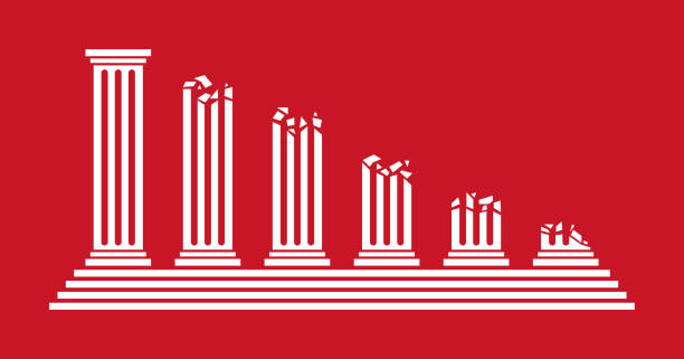
Andreas Angelidakis Demos (2016-ongoing)
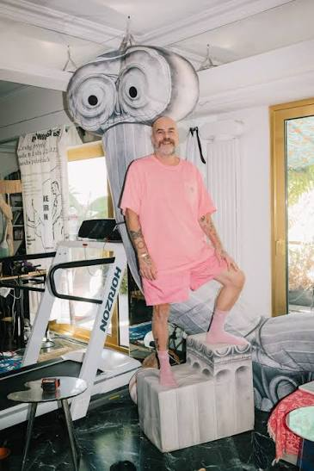
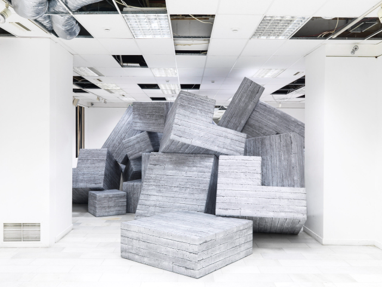
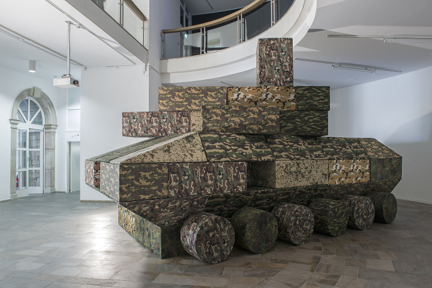
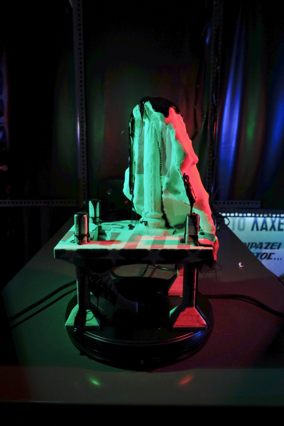
Athens 2016-2017
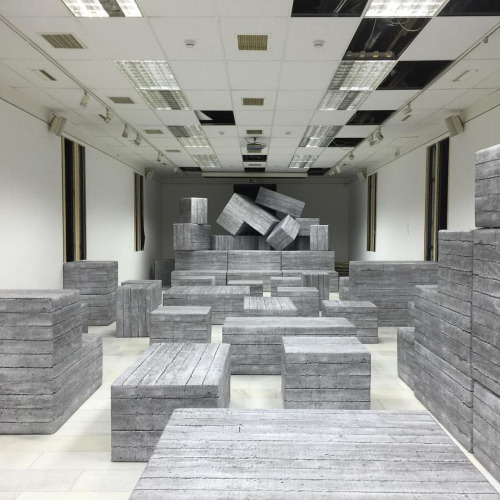
Warsaw 2018
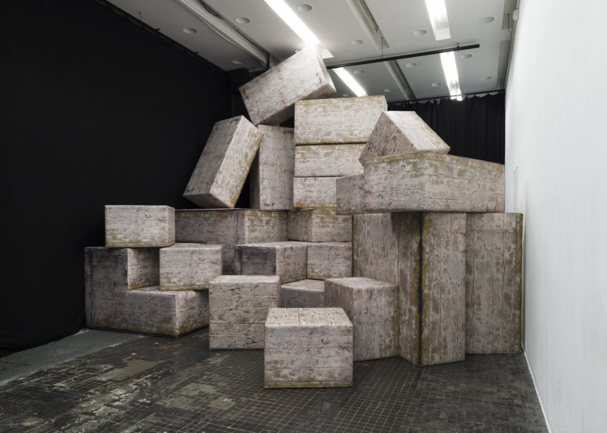
Moscow 2018
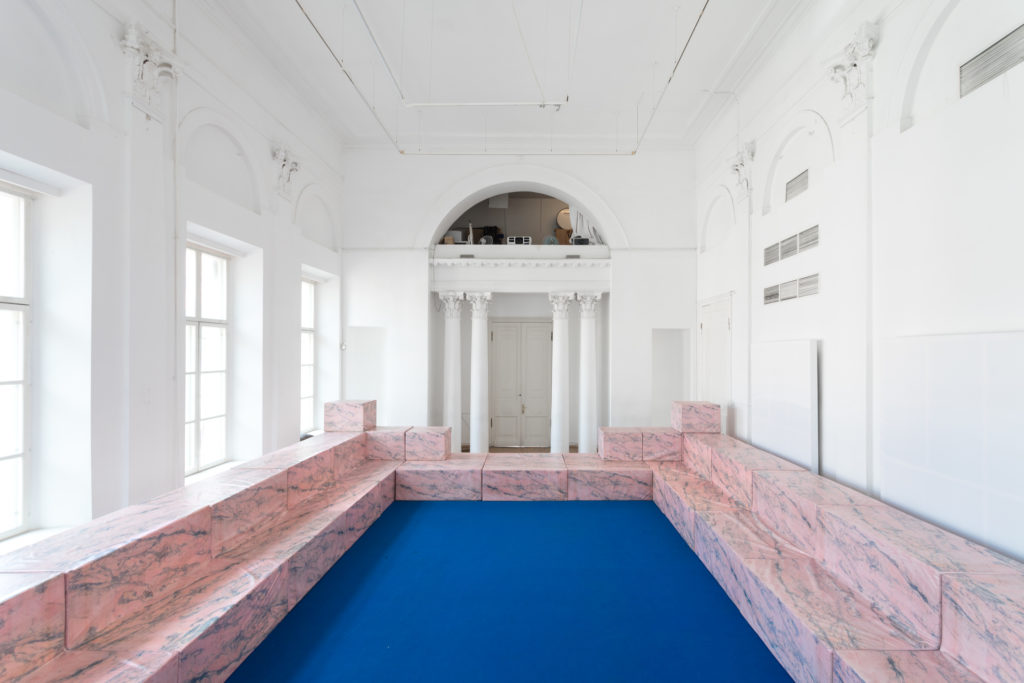
Toronto 2018-2019
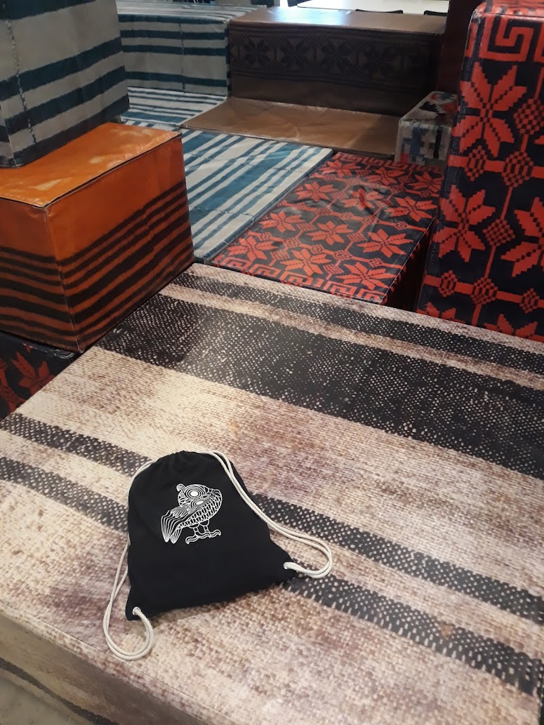
Bergen 2019
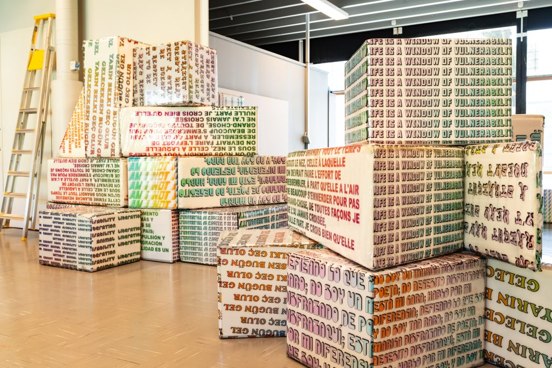
Brisbane 2020
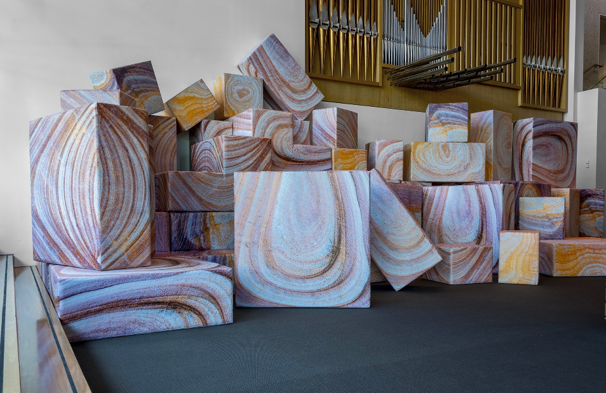
Exercises of Freedom in Exergue on documenta 14
Musical Outro: Tame Impala Let it Happen
Footnote on things that have spirits
So during the ban [1885-1951], as an exercise of freedom, potlatches went underground where their outward character was disguised, and at times goods were given at Christmas as presents, while in the 1930s communities began hosting deliberately disjointed ceremonies. So dances and speeches would take place at a different time, so not at the same time. So gift giving was banned, which meant that if you gave gifts without the context of the dances and the ceremonies, maybe they were just simply gifts in the eyes of others. […] The potlatch, despite the repeated dictate and assumption that it would die out and its subsequent renunciation by Native peoples under duress, adopted new forms, and indeed it carried on. One of the first people to try to get back some of the regalia and the objects understood not simply as objects or simply as mass, but indeed as beings, things that are animate, things that have spirits, was Chief James Sewid. In 1967, after initial conversations failed, he tried to buy them back for the same price that they were originally sold to for two museums. But the museum said no because indeed they wanted to charge him for the cost that they had undertaken while these objects were in their care. So it wasn’t the original purchase price, but something else.
- Candice Hopkins