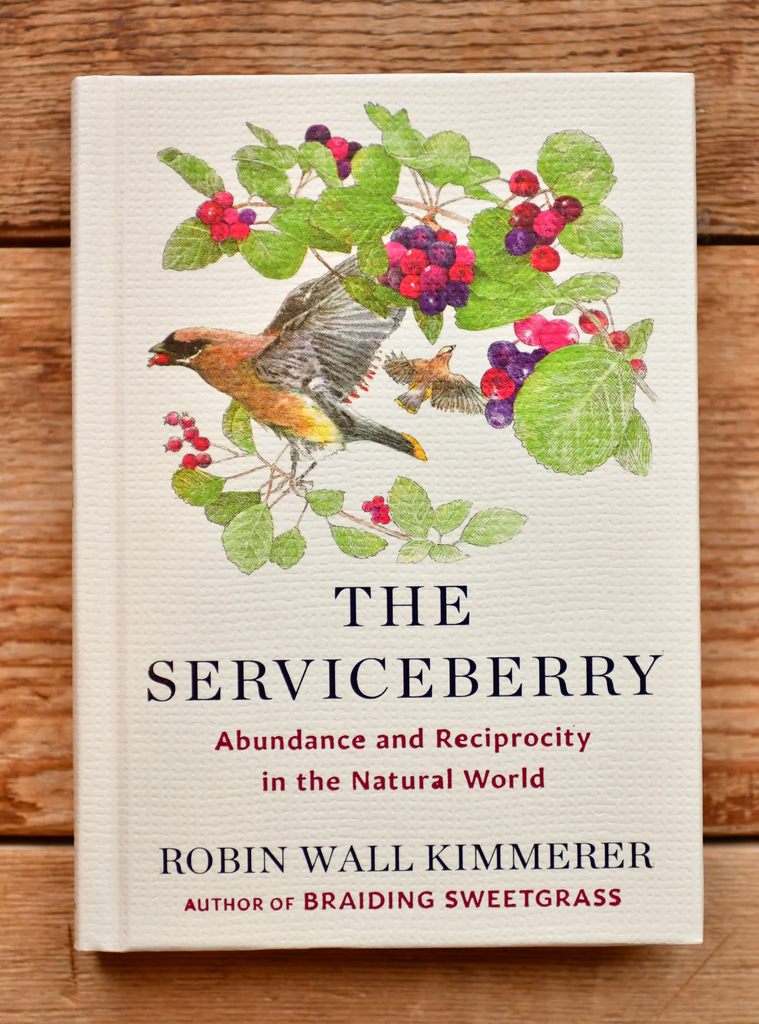
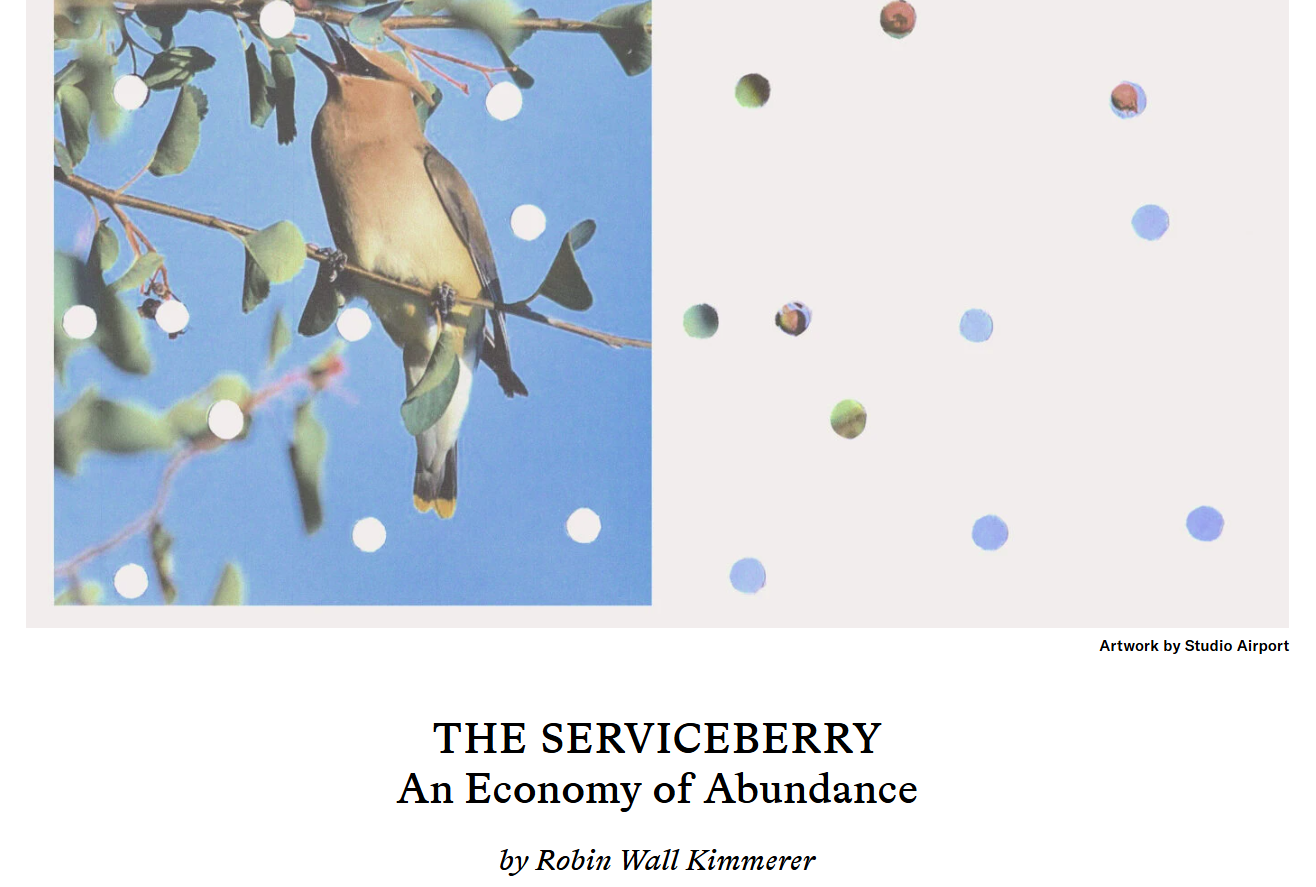
My scholarship therefore requires of me an orientation toward generosity rather than accumulation: toward the careful circulation of knowledge in ways that sustain the relationships from which that knowledge emerges…knowledge carries responsibilities.
Raven, Coyote & Robin (unpublished dissertation draft, Ohio State University, 2026)
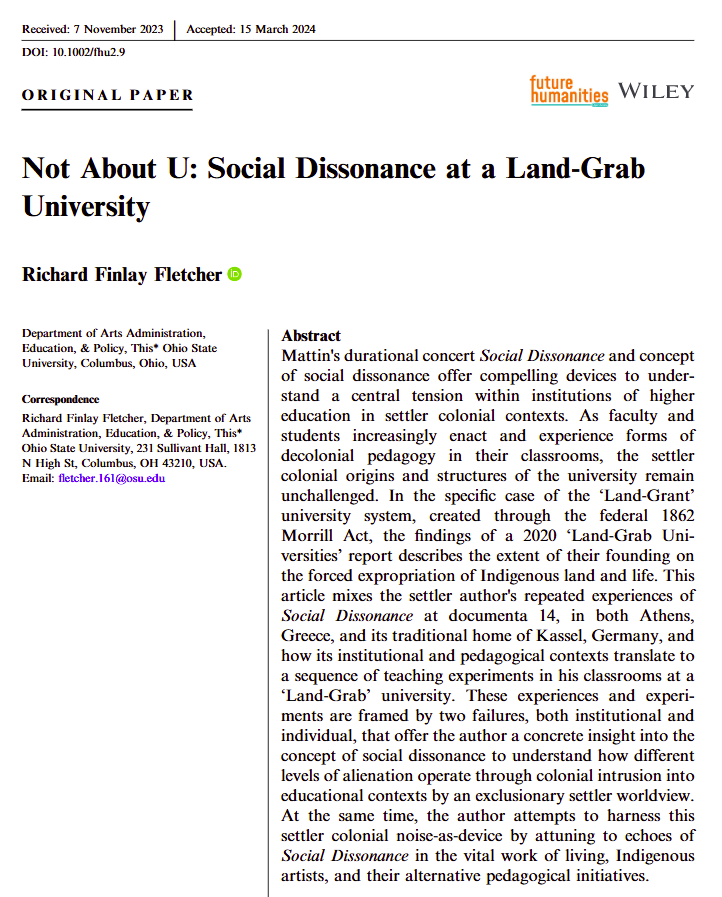
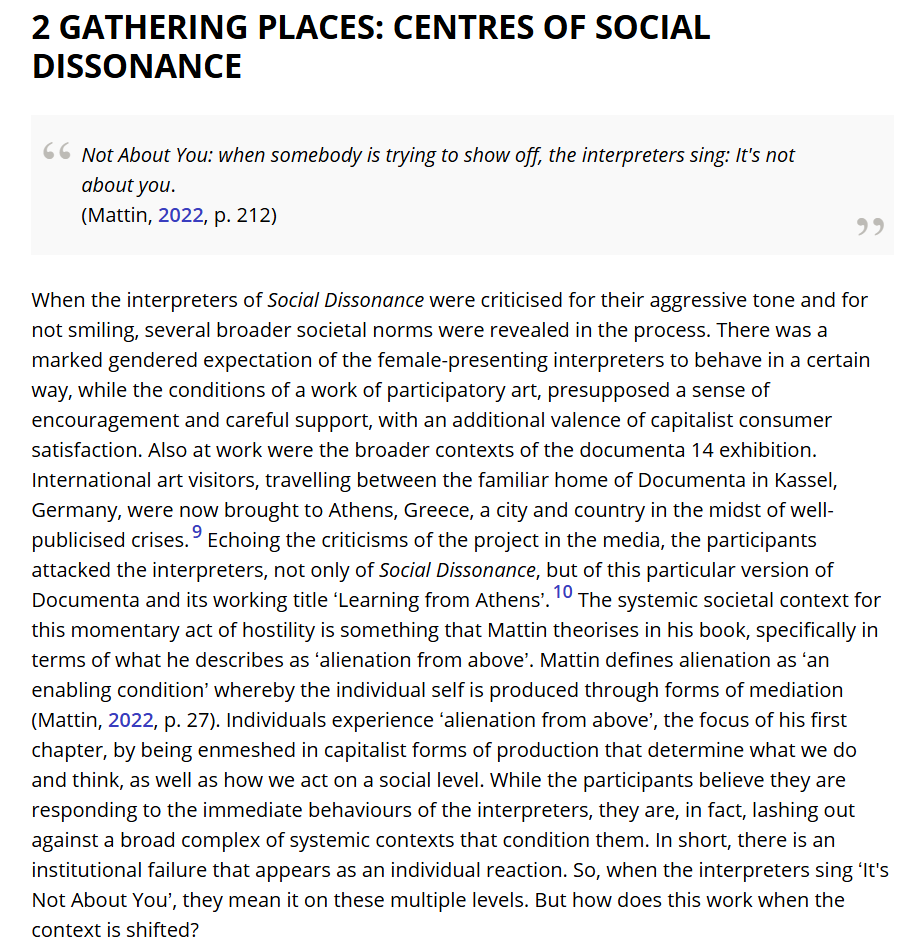
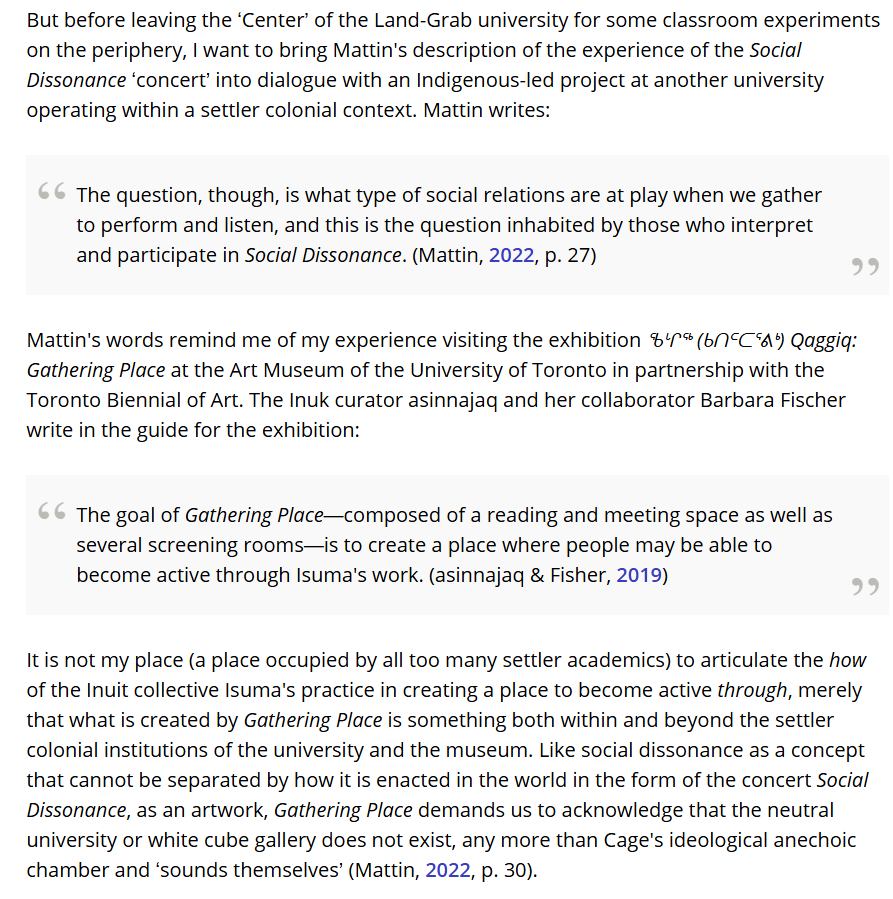
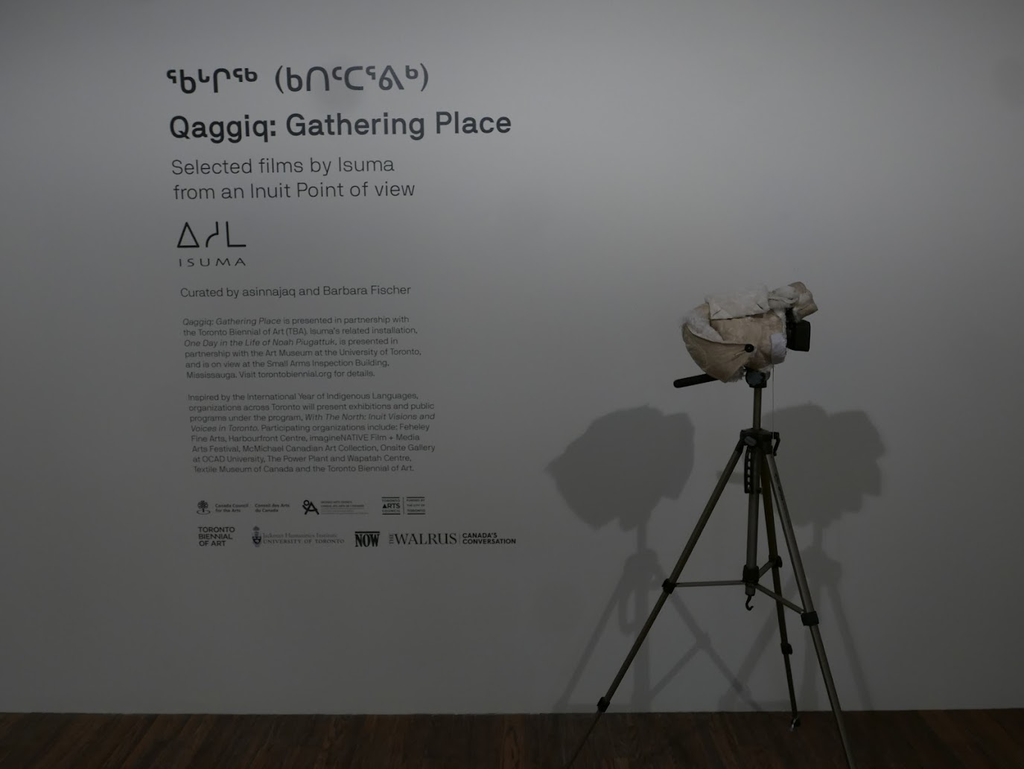
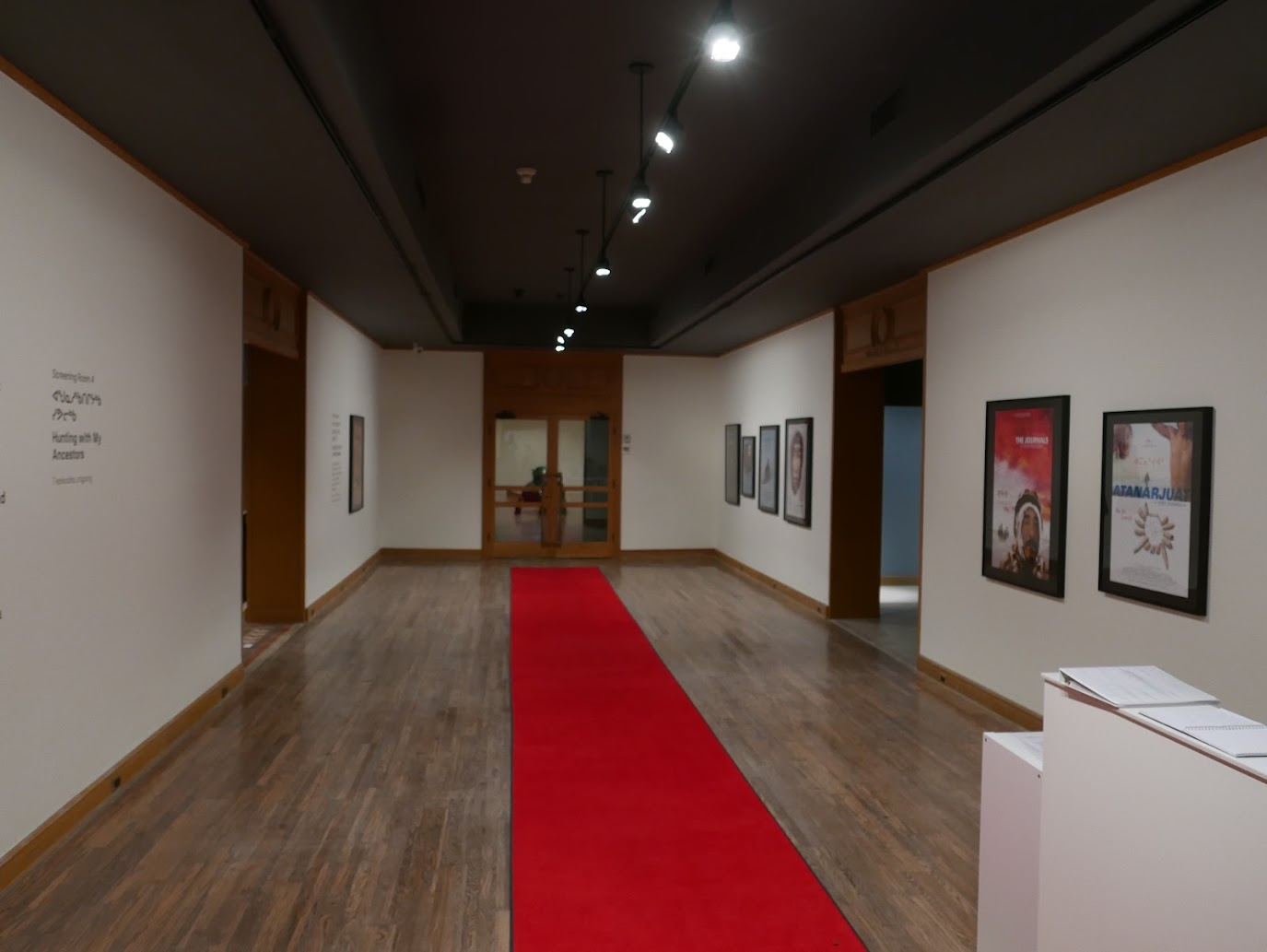
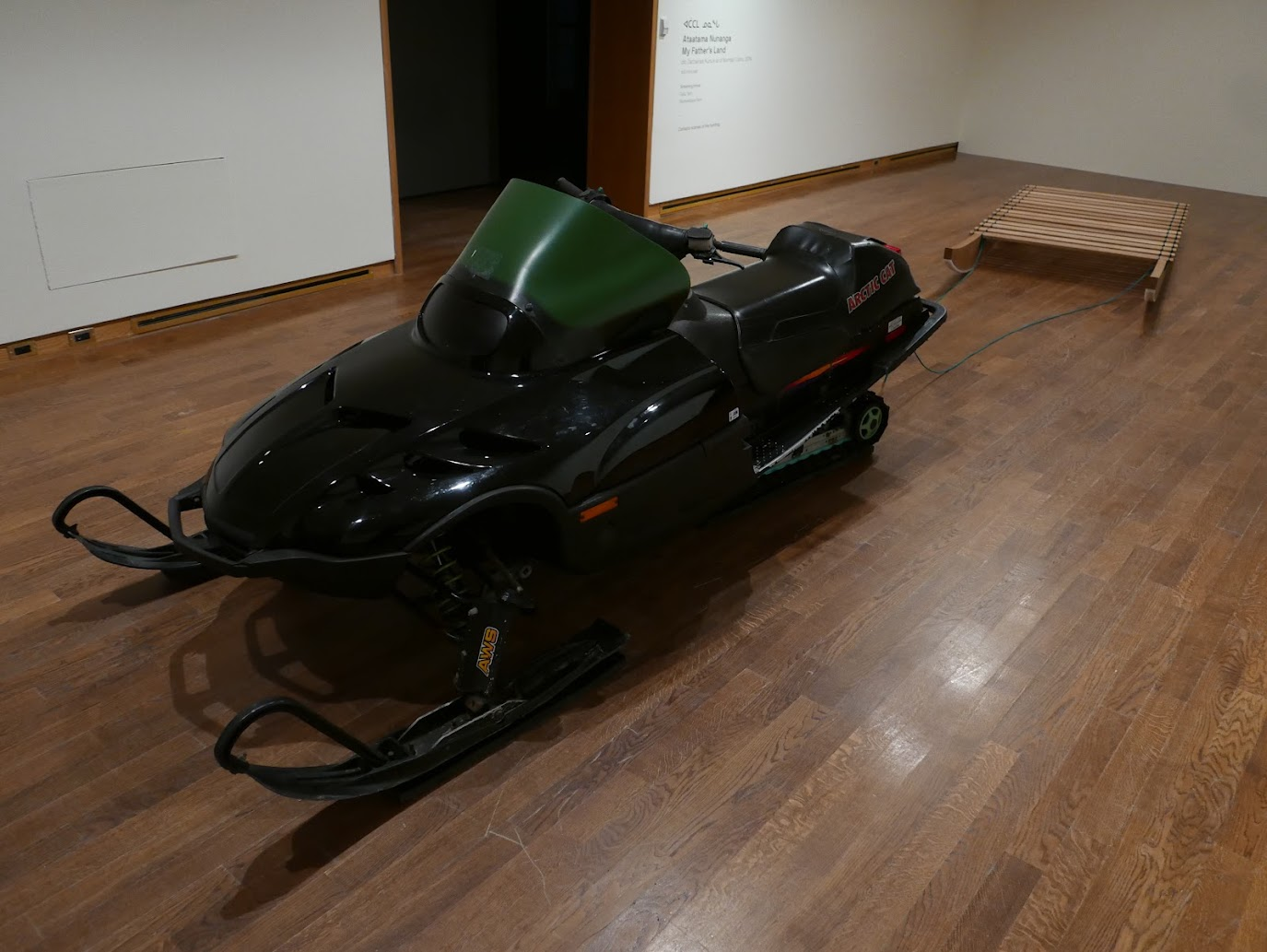
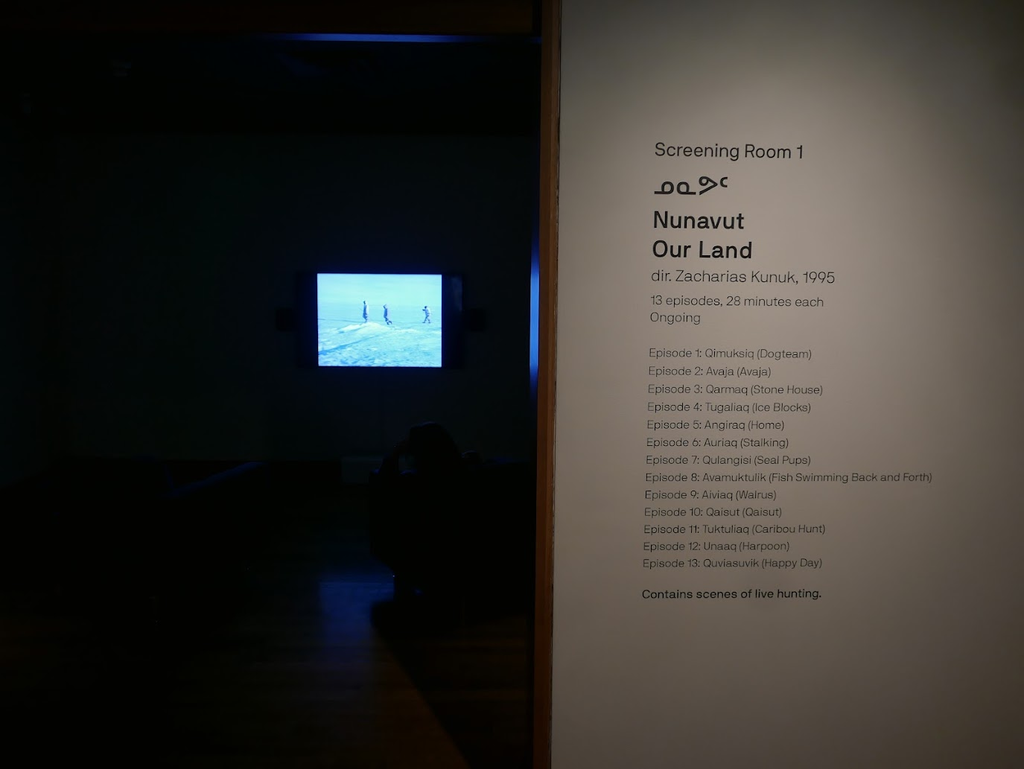
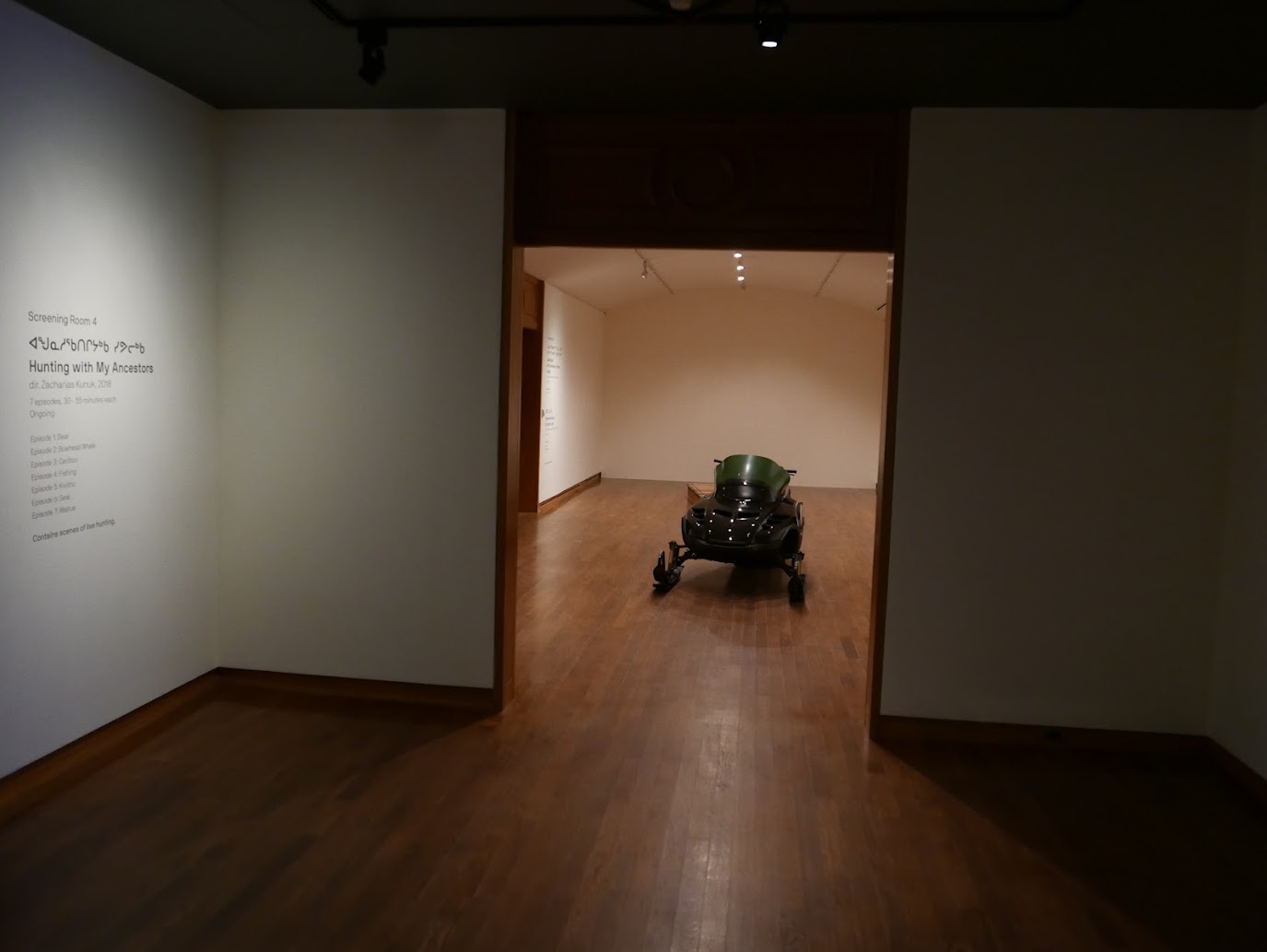
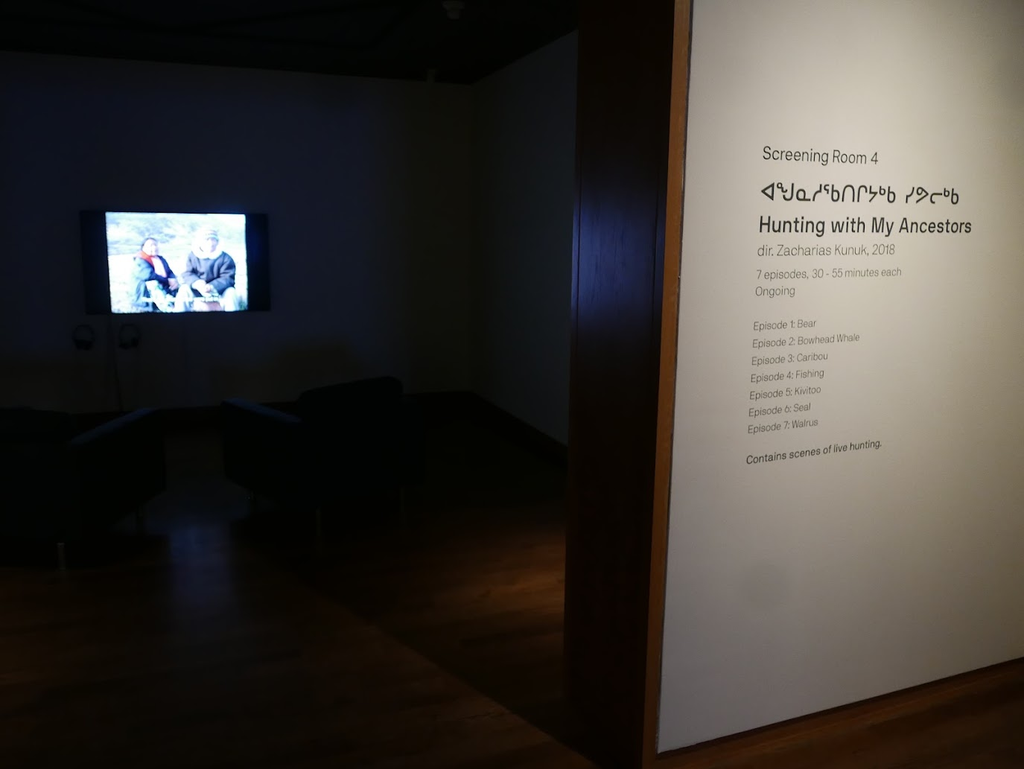
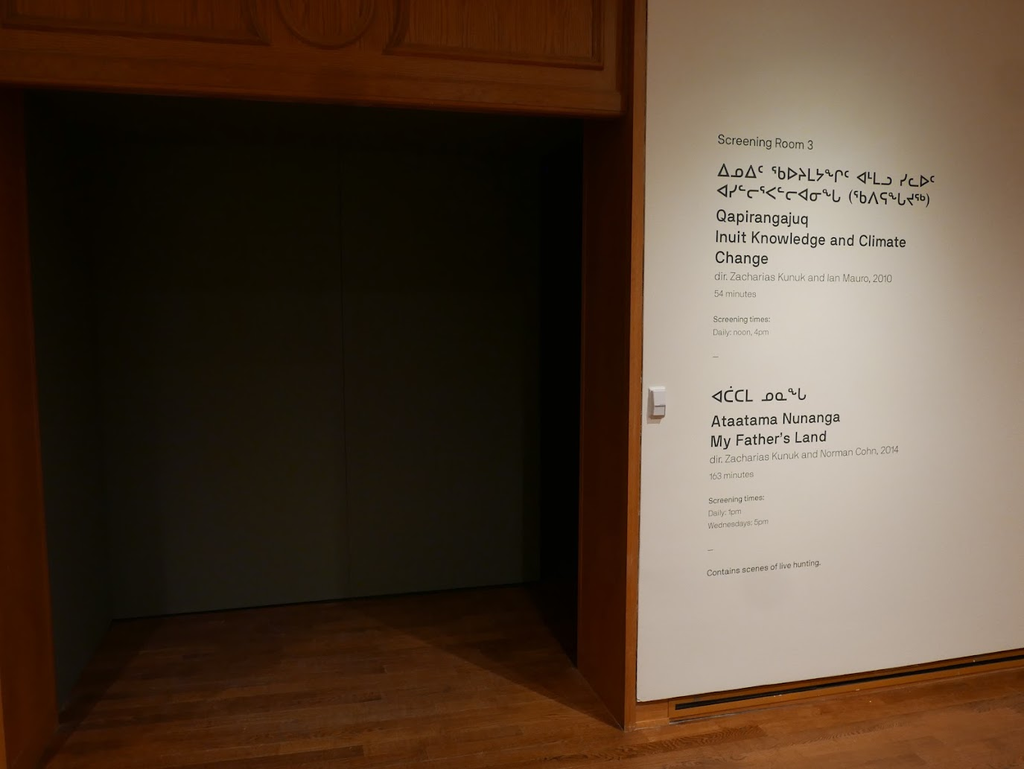
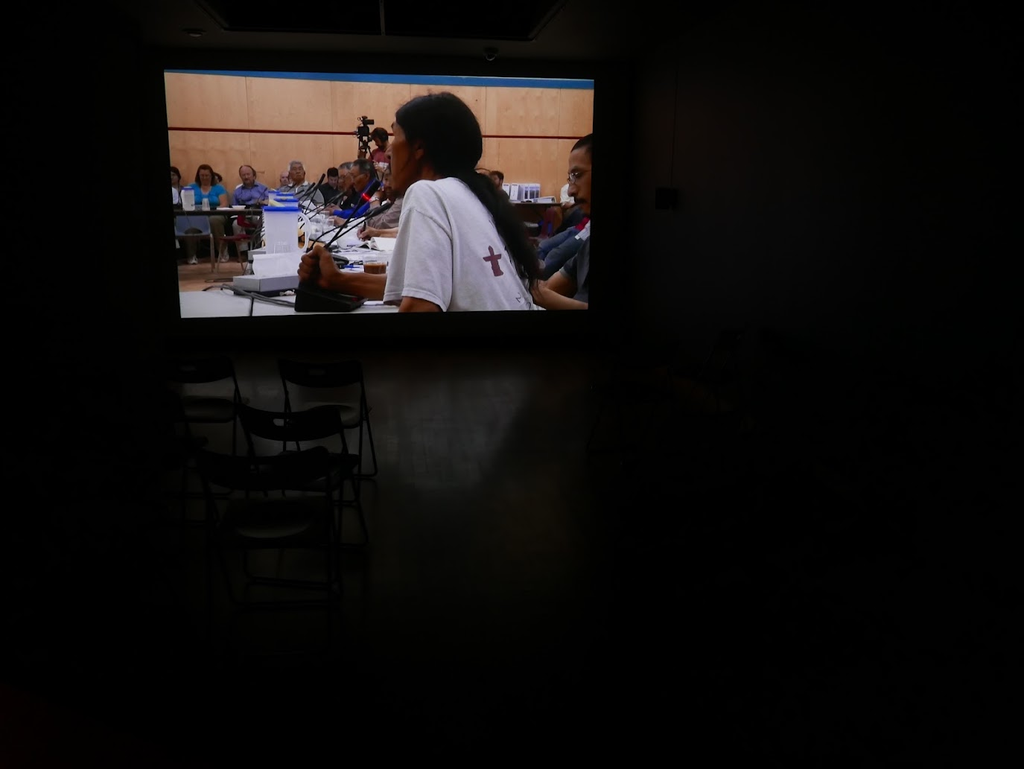
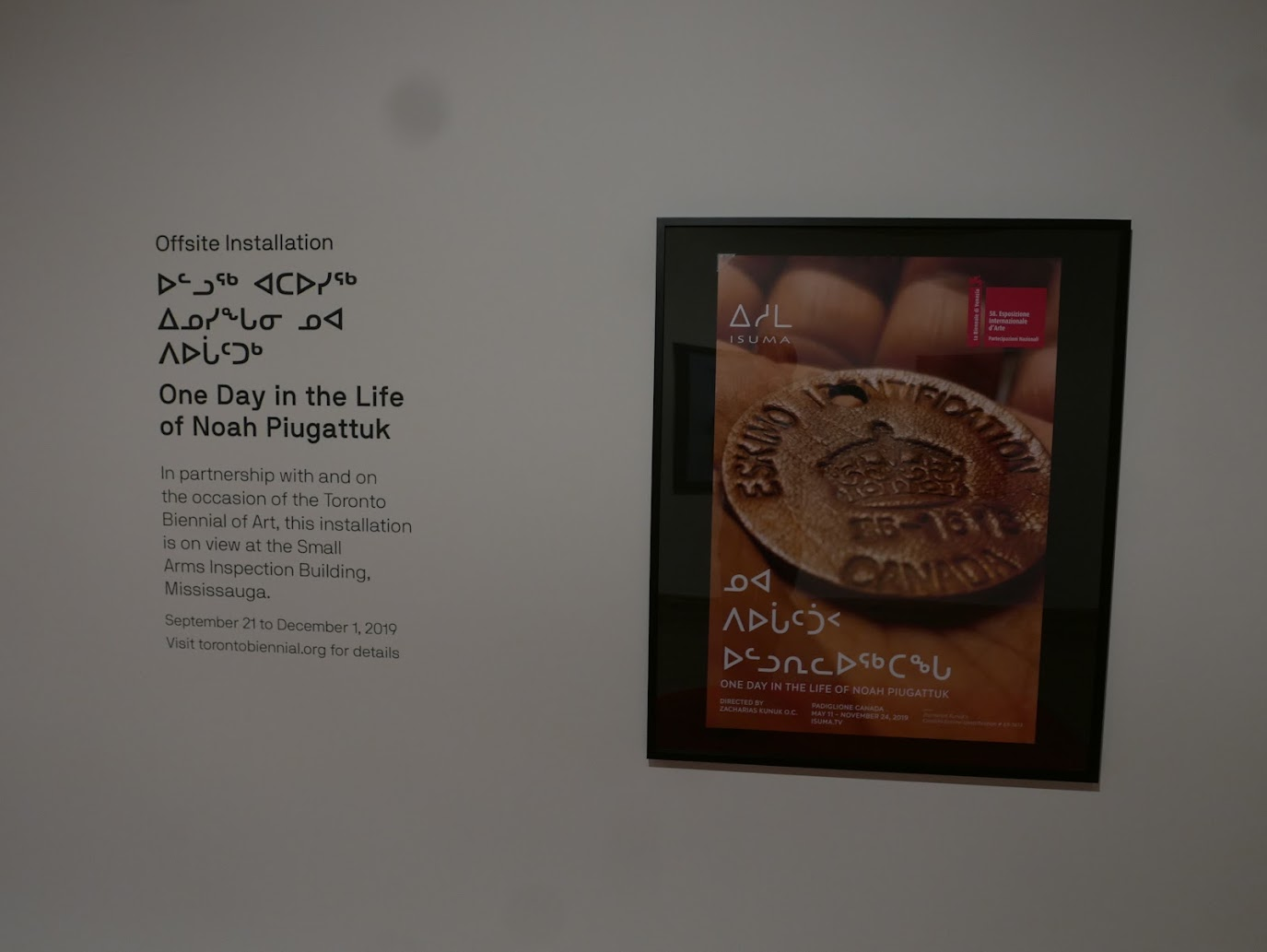
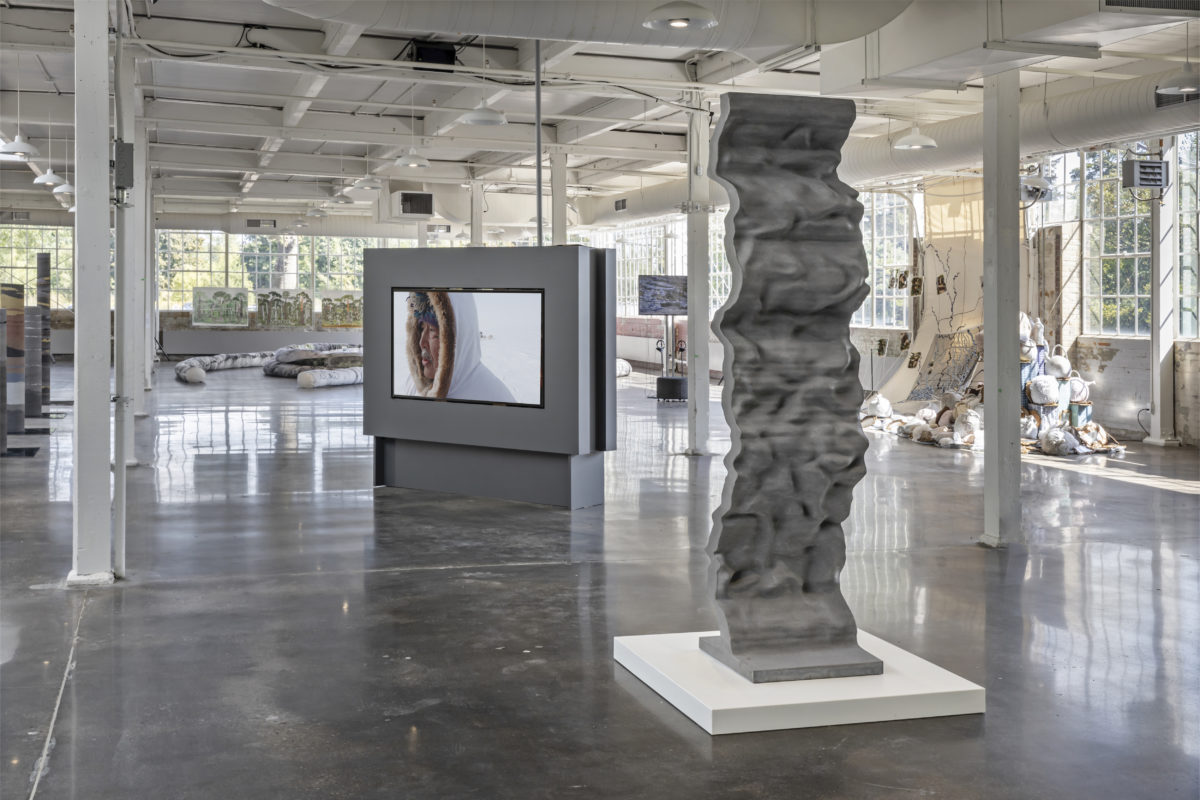
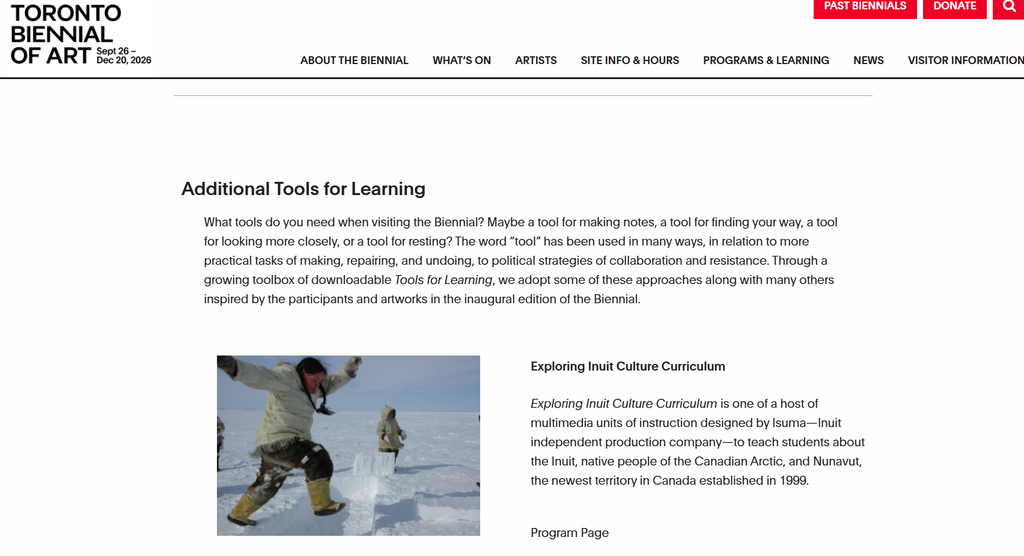
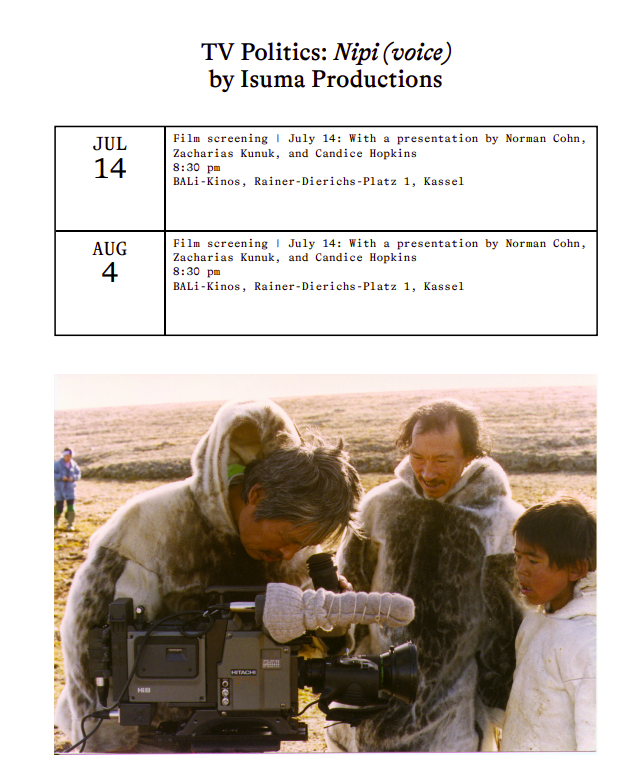
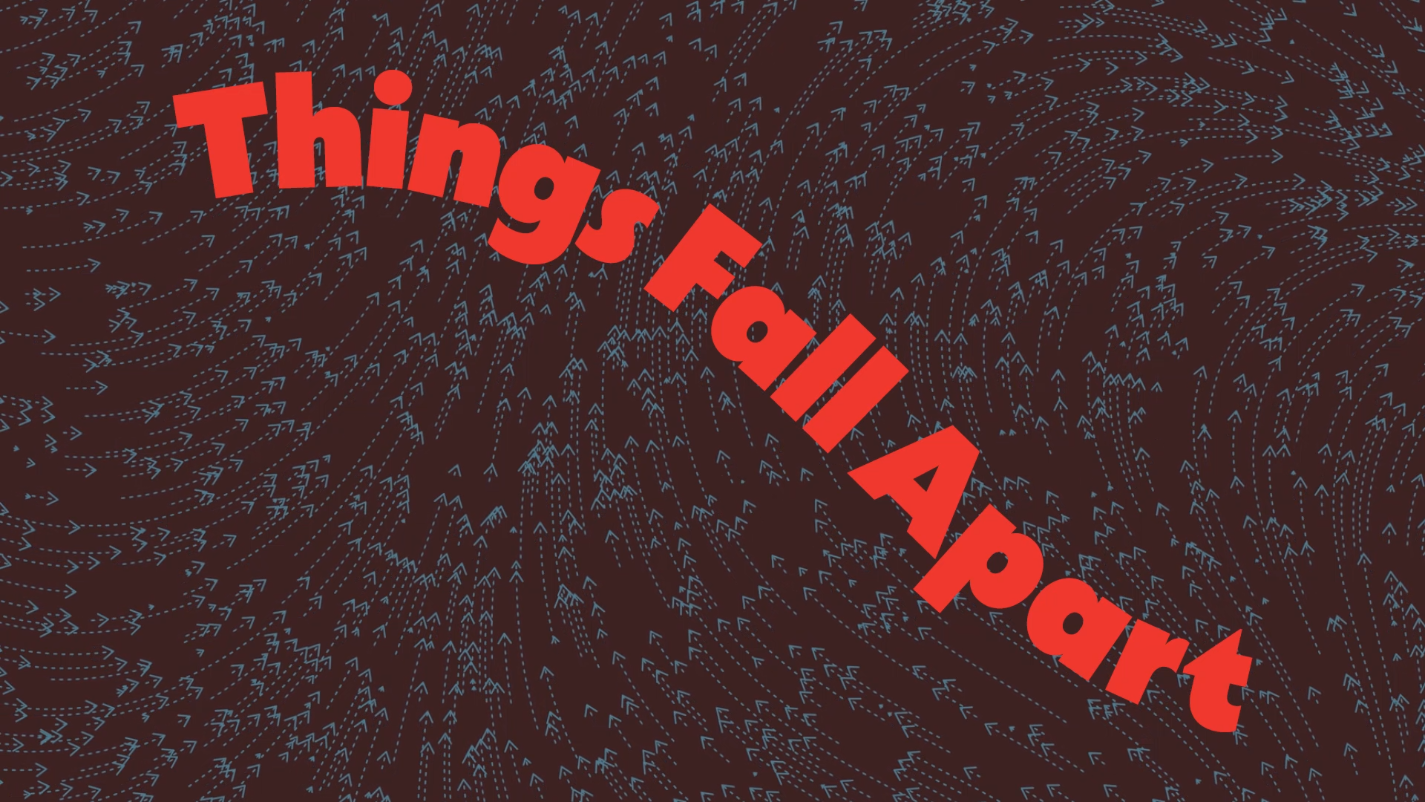
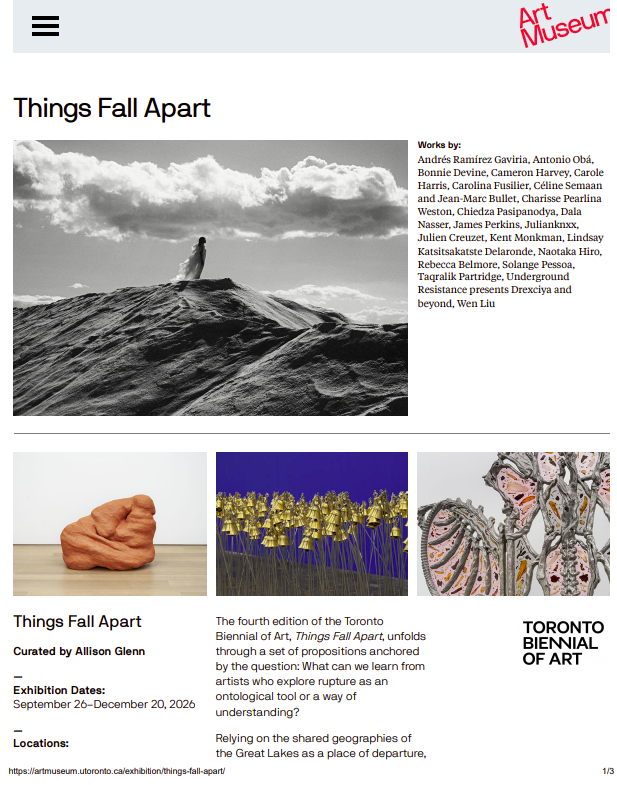
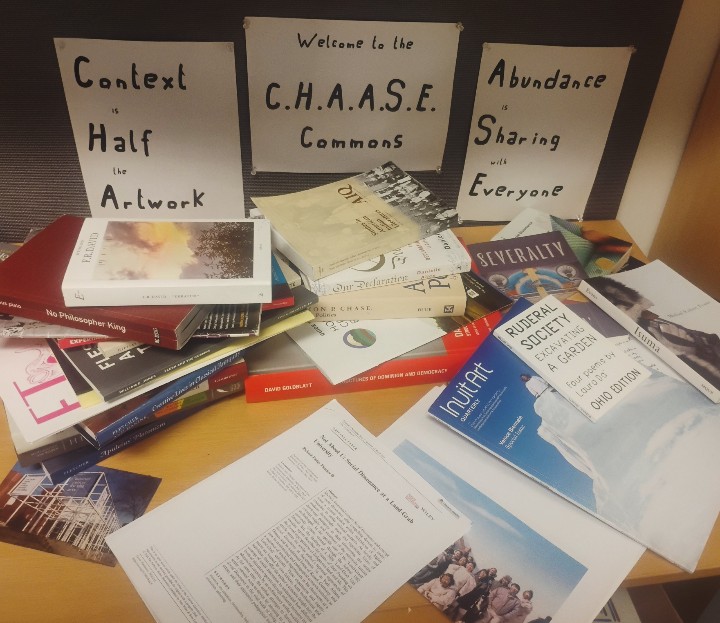
I am an art education professor at Ohio State University & I have been admiring your curatorial & artistic work for a while now. Most recently I saw your beautiful & powerful installation at the Carnegie International in Pittsburgh. Since I have taught classes about the Toronto Biennial of Art since the first edition, your work that has had the most enduring impact on me is with Isuma, ᖃᒡᒋᖅ (ᑲᑎᑦᑕᕐᕕᒃ) Qaggiq: Gathering Place. Teaching at a land-grab university in Ohio that consistently fails to register the significance of Indigenous land and place-based knowledge, I continue to return to this work because it made such an important intervention in the university setting. I included a reference to it in a long & somewhat dense article I wrote a few years back called ‘Not about U: Social Dissonance at a Land Grab University’ https://onlinelibrary.wiley.com/doi/full/10.1002/fhu2.9. In it I wrote: “It is not my place (a place occupied by all too many settler academics) to articulate the how of the Inuit collective Isuma’s practice in creating a place to become active through, merely that what is created by Gathering Place is something both within and beyond the settler colonial institutions of the university and the museum. Like social dissonance as a concept that cannot be separated by how it is enacted in the world in the form of the concert Social Dissonance, as an artwork, Gathering Place demands us to acknowledge that the neutral university or white cube gallery does not exist, any more than Cage’s ideological anechoic chamber and ‘sounds themselves’ ” I am not sure if you know, but the new edition of the Toronto Biennial – Things Fall Apart – which just opened this weekend – has their main exhibition space in the same galleries where Gathering Place used to be – there are exciting works by Indigenous artists there, including Bonnie Devine, Kent Monkman & Rebecca Belmore, while at the other university gallery space, the work of Taqralik Partridge (who I have been corresponding with for a few years now). Anyway, the reason I’m reaching out is that I wanted to ask if you had any reflections on Gathering Place that you would be willing to share with me after all these years? I am giving a guest lecture in a class on Tuesday (Sept 29) where the students have read my article & I want to show some of the video conversation with Isuma that you had as part of the exhibition, but I also wanted to connect with you & share your reflections with the students. Obviously I understand if this isn’t possible given the short notice, but I at lease wanted to use this opportunity to connect with you & express my gratitude to you for your transforming work!
Richard Finlay Fletcher: [W]hat does a Shawnee place-based arts education look like for you?
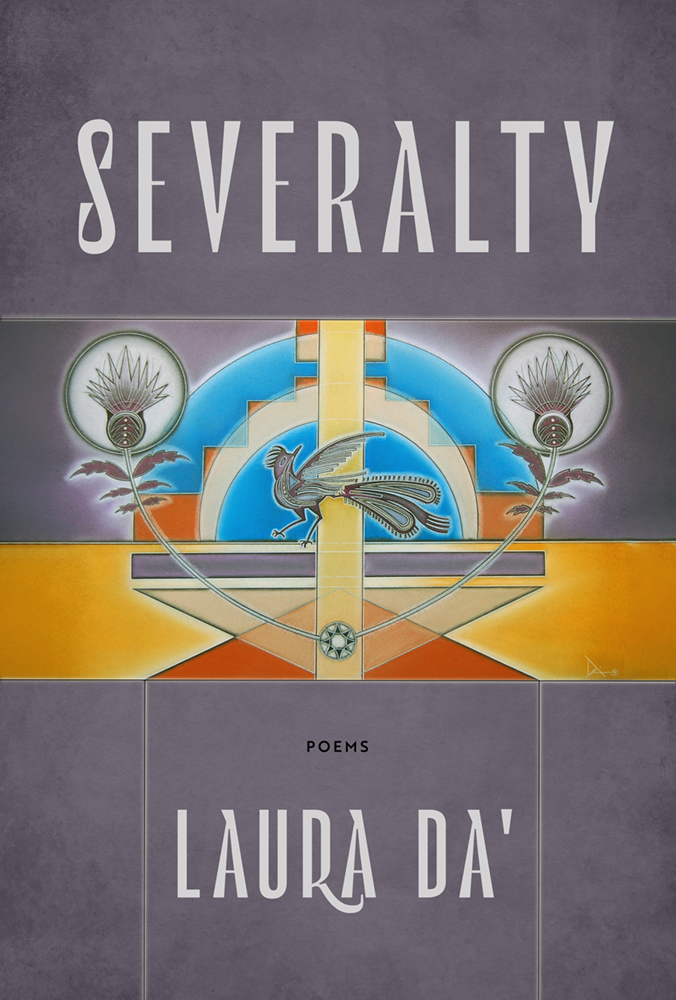
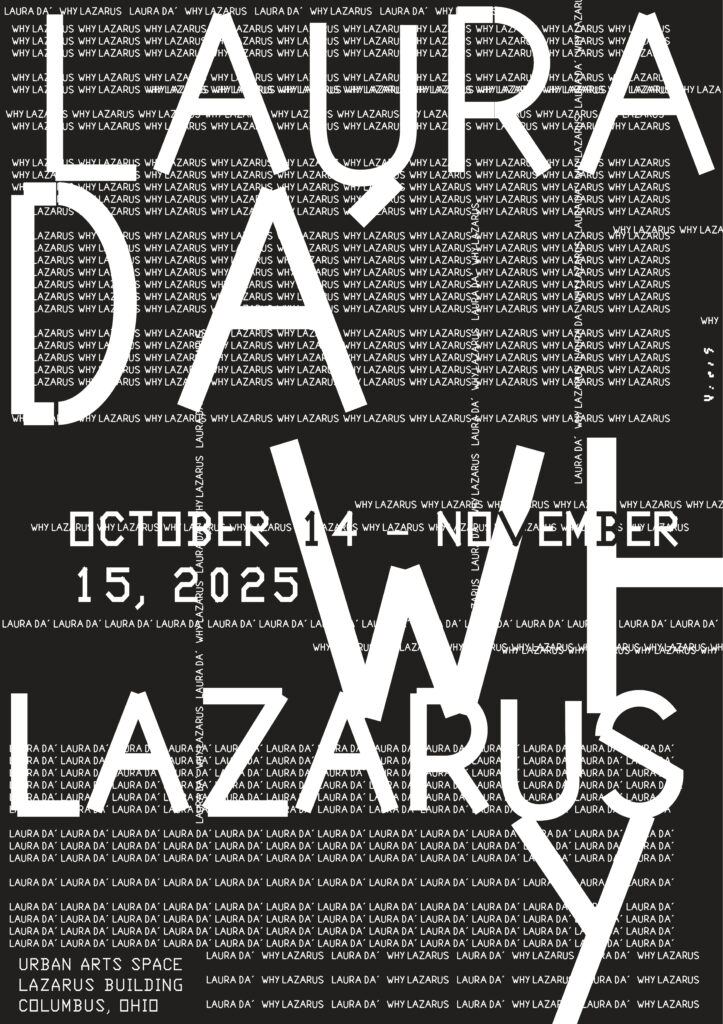
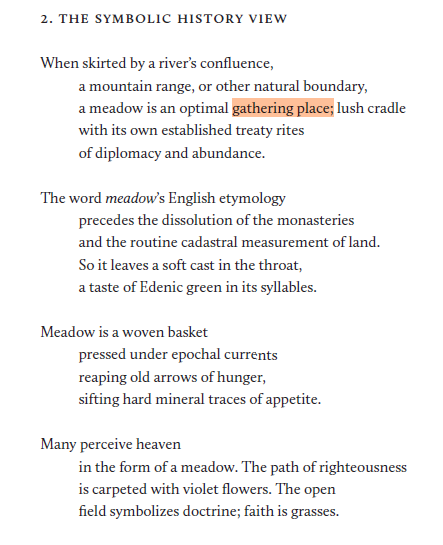
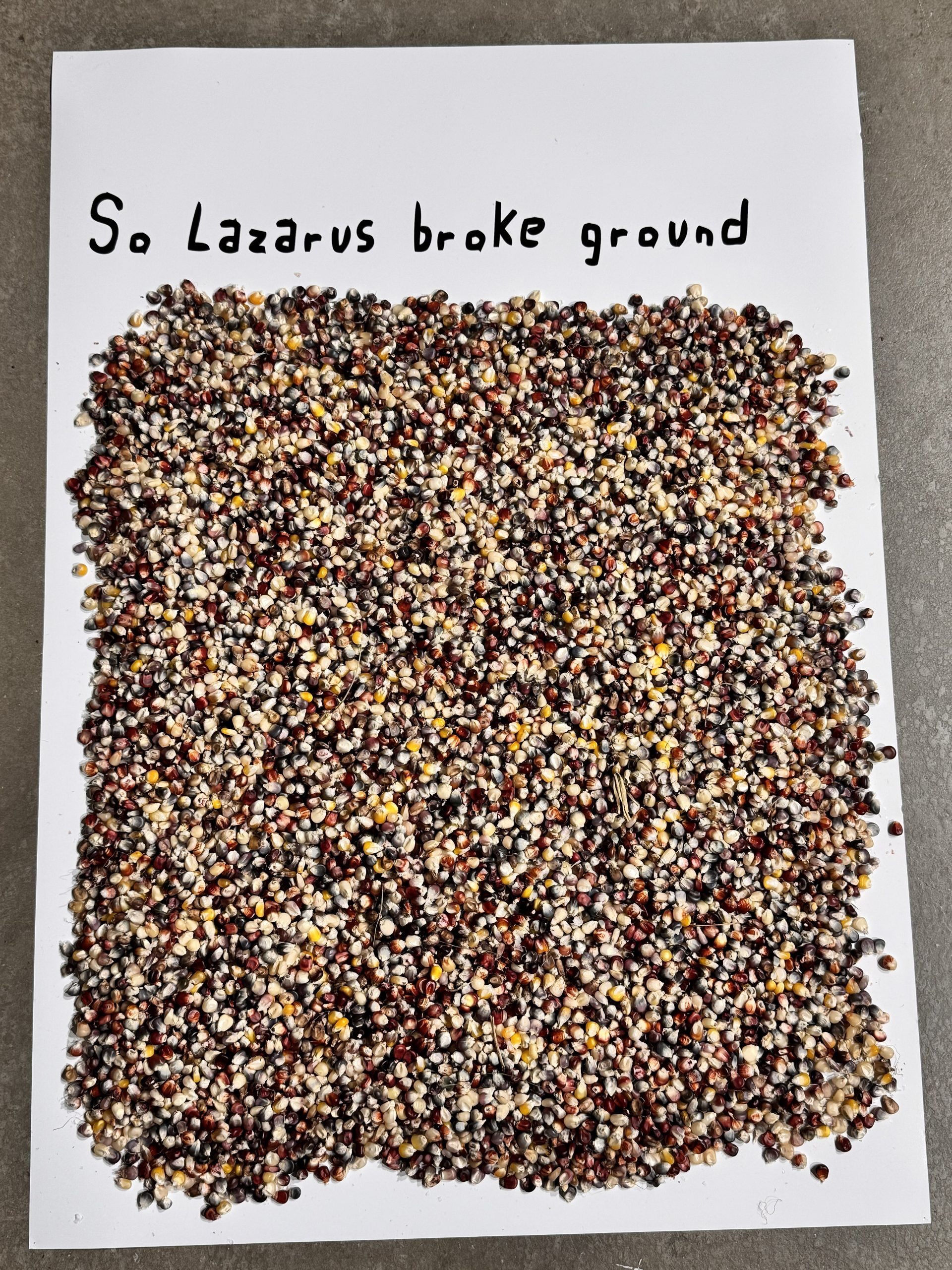
Laura Da’: For me, a Shawnee place-based arts education manifests in the land traditions of the poem itself, its creator being a member and representative of the Shawnee tribe, and also as an ancestral connection to a removed people. In an institutional education setting where you’re on land that has the echo of a genocide, it tends to be a lot easier for non-Indigenous folks to reintroduce Indigeneity that is a bit divorced from the actual land history. If you bring in a Shawnee person where you’re in the landscape where I was, where my ancestors were directly removed from, and I know how and where and when and why, it creates challenges—what I think of as something that Western education unintentionally always duplicates—which is the concept of academic distance. Even when we look at art, there are forms of art education that suppress emotional reactions so that you can step back and retain a pseudo-objective lens. Yet it’s much harder to do that when someone is raising and embodying a profoundly unaddressed injustice that continues to happen right here and now. So, when I think of what reindigenizing could mean, it must be done from the collective multi-generational community, and in a compassionate way. In terms of arts education, this compassion in, for example, community parenting is critical to having folks by the time they’re in college be able to engage in a humanistic way with art that touches on the historical record. And then I think it addresses institutional biases, like misogyny, and how that is so baked into the arts and the way that we tend to create curriculum for the arts, because that wouldn’t reflect a particularly shiny worldview. So that’s why I think reindigenizing through centering Shawnee arts education in our dialogue and exhibition is significant, since it’s a hypothesis to bring Indigenous work back into Indigenous space because it brings up intellectual, but also human and collective engagement and communication that is less controllable than an institution tends to historically want. And that’s really exciting for students because it brings up questions and concepts about their pertinent lived experiences right now. You can look at this poem, which hinges on removal, interpersonal and political violence, but also think about this past being in direct engagement with the present.
Laura Da’ and Richard Finlay Fletcher ‘So Lazarus Broke Ground’: Towards a Shawnee Place-Based Arts Education in Ohio’, forthcoming in Art Education.
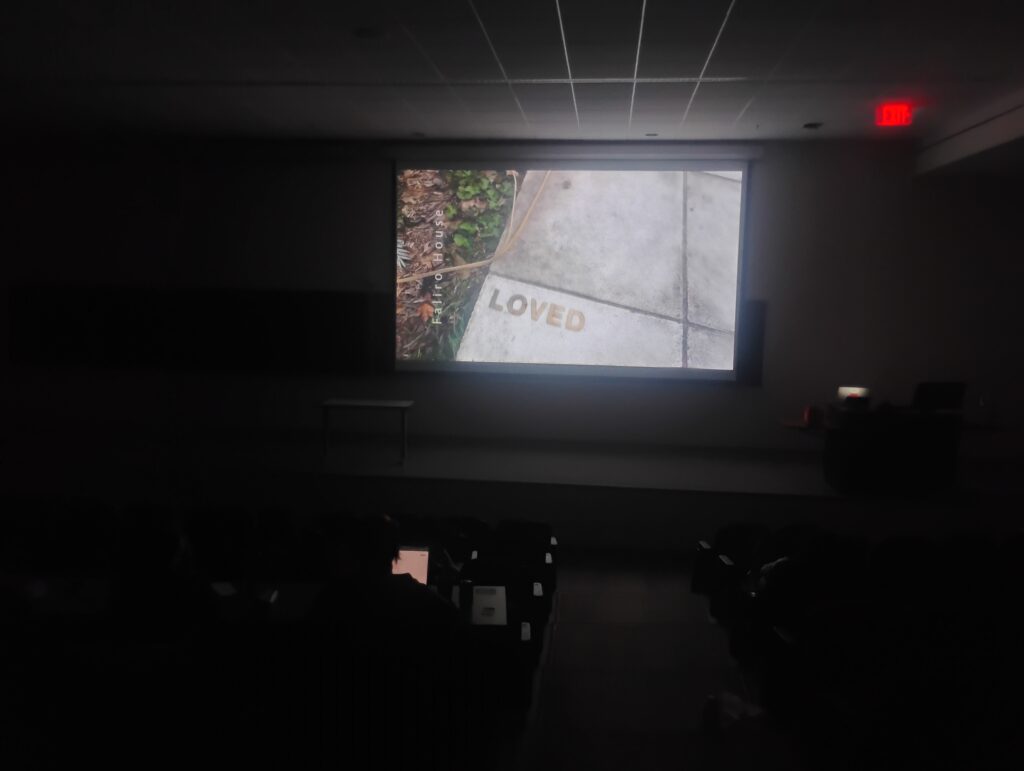
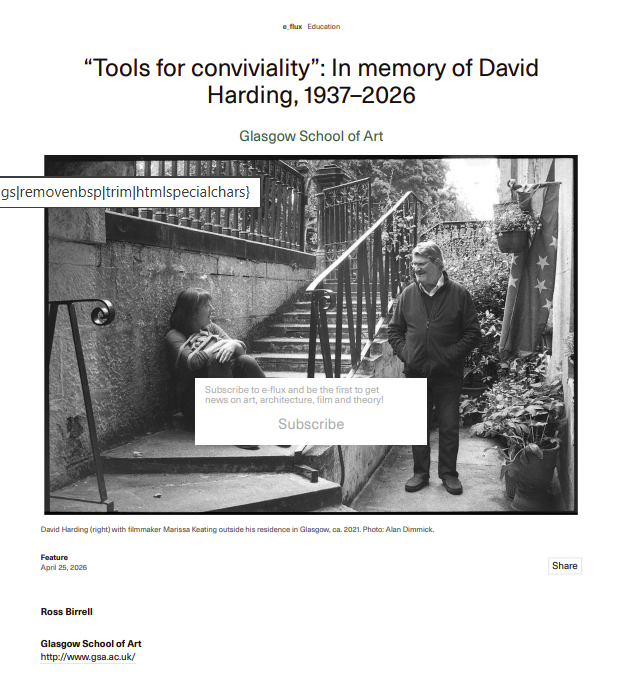
I made this post for a guest presentation in my new OSU AAEP colleague Eunkyung Hwang’s class AE 7000.10: Concepts, Theories & Issues in Art Education, today (Tuesday September 29, 2026) at 4:30pm. Below are the topic and readings for the class in case you want to follow along. I thank Dr. Hwang for her invitation and the AAEP Grad Students for their engagement and willingness to follow me down this rabbit hole! I also thank asinnajaq for the ongoing gift of Gathering Place, David Harding, Ross Birrell and Sam Ainsley for ongoing grounding, Laura Da’ and Marco Fiedler (VIER5) for ongoing dialogue, and Raven, Coyote & Robin for insistent reminders of the responsibilities that knowledge carries.
Week 5: Identity & Power
How do identity and power shape art education and its institutions? How can art educators and researchers critically examine whose identities, knowledge, and experiences are centered or marginalized?
9/29 Tues
Read “Fletcher, R. F. (2024). Not About U: Social Dissonance at a Land‐Grab University. Future Humanities, 2(3), 1–22.”
Read “Rhoades, M., Davenport, M. G., Wolfgang, C. N., Cosier, K., & Sanders III, J. H. (2013). Big gay church: Sermons to and for an underserved population in art education settings. Studies in Art Education, 54(4), 349–363.”
Read “Ballengee-Morris, C. (2010). They came, they claimed, they named, and we blame: Art education in negotiation and conflict. Studies in Art Education, 51(3), 275–287.