In this sixth episode of Radio Show Me What Democracy Looks Like, we focus on architecture, monuments and spaces in the visual culture of democracy, Rebecca Belmore’s Biinjiya’iing Onji (From Inside) (2017) and the eruption of truth.
Architecture, Monuments & Spaces in Democratic Visual Culture

Rebecca Belmore Biinjiya’iing Onji (From Inside) (2017)
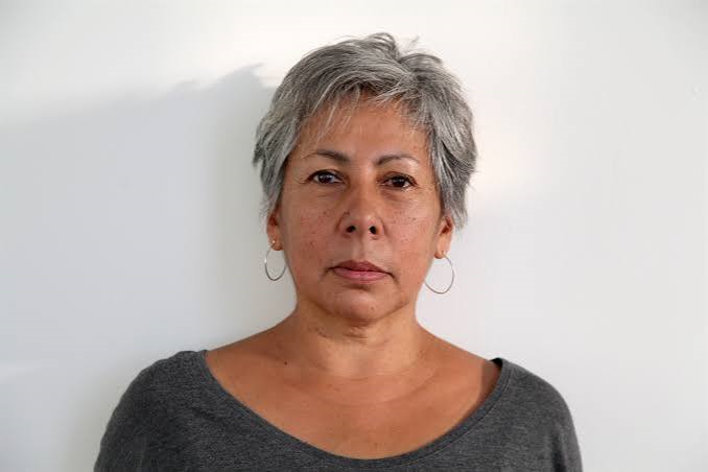
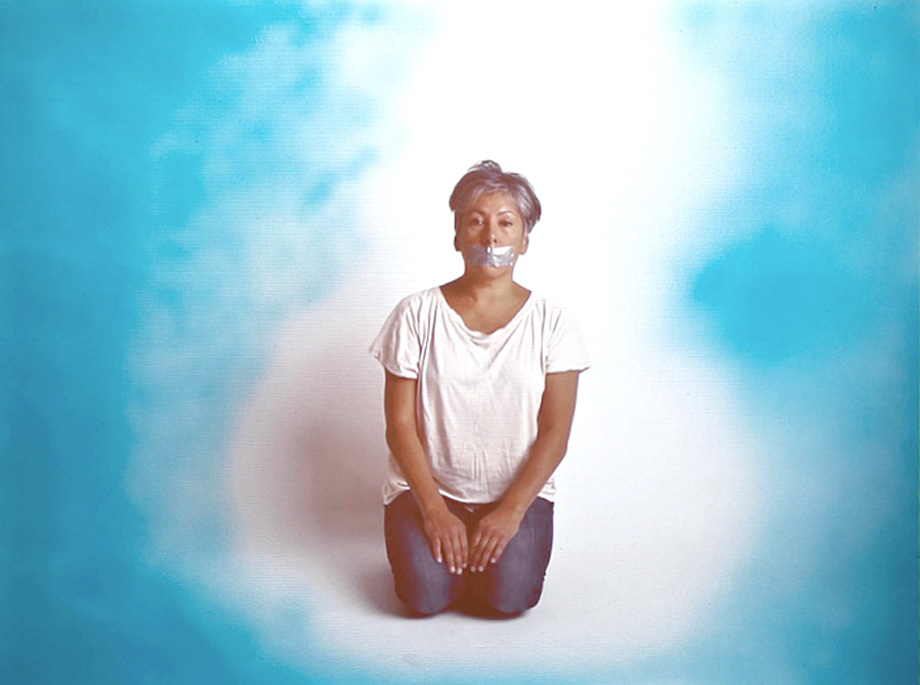
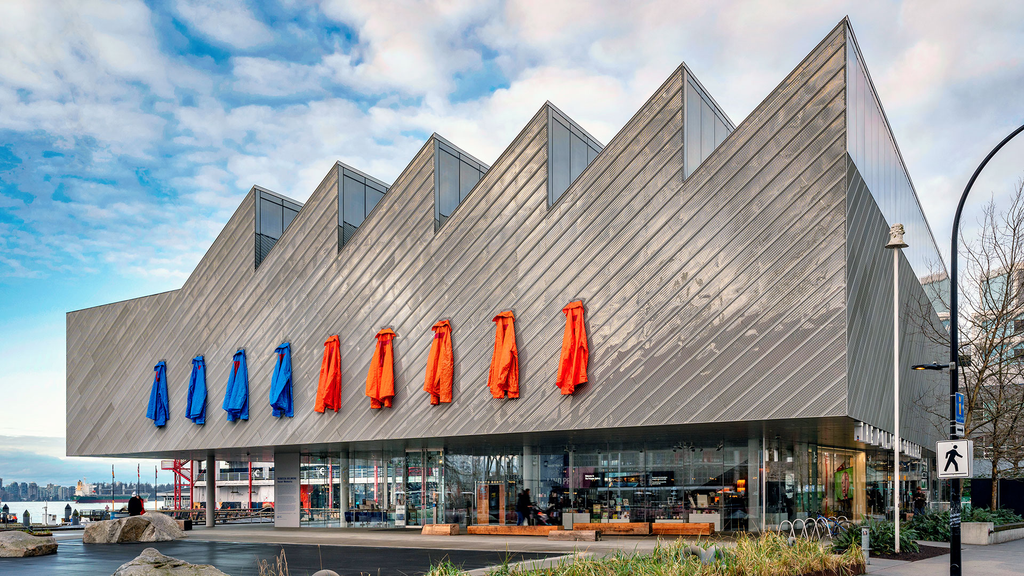
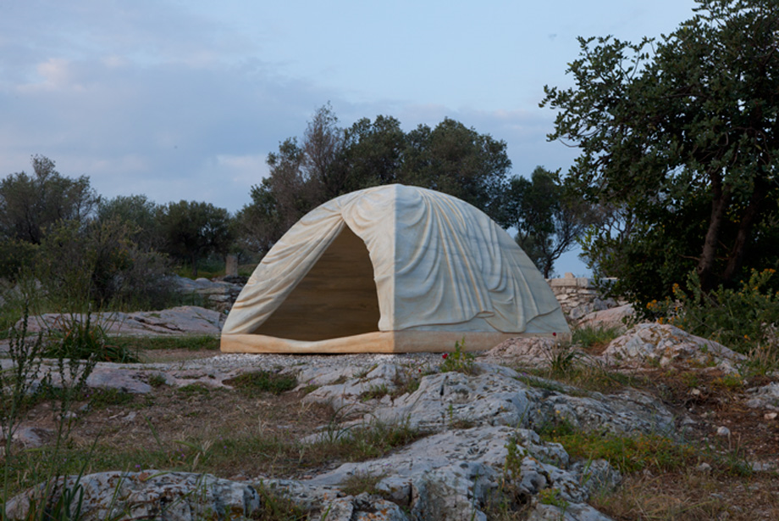
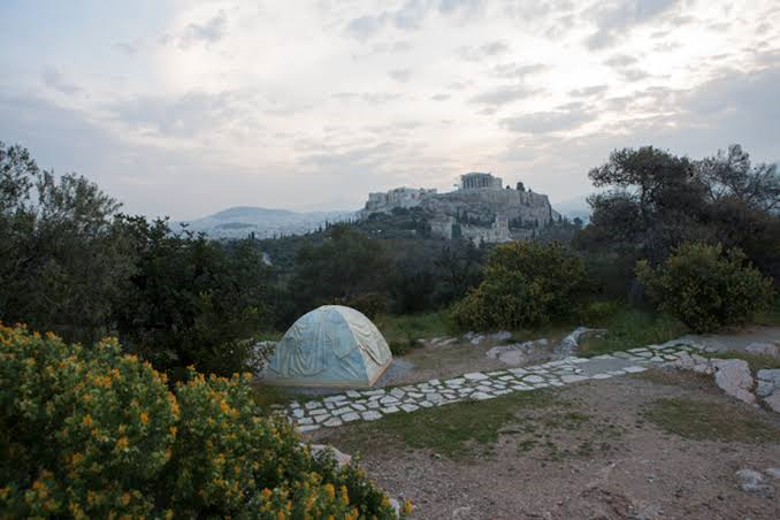
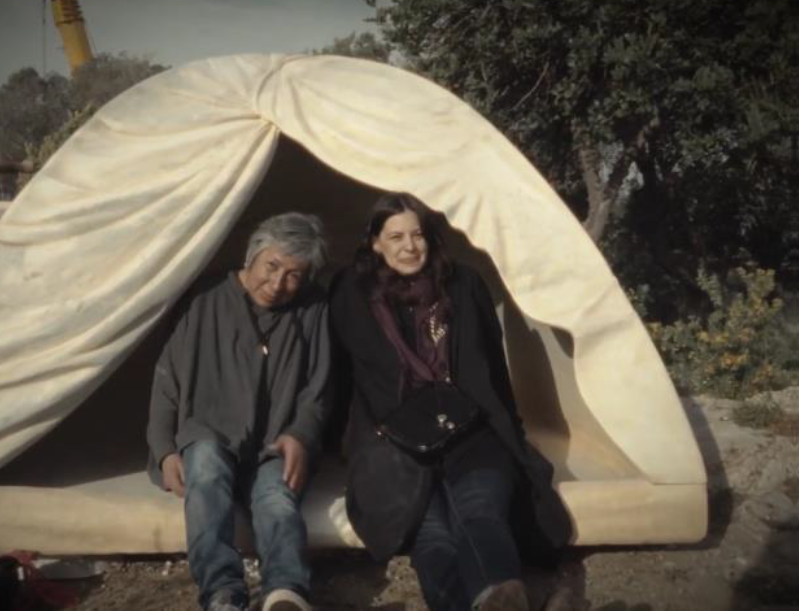
“When it was carefully lowered onto the hill, the first thing we wanted to do was go inside it. Inside, time slowed down. The noise of the city was reduced to a low hum, and there in front of you was the architectural marvel that is the Parthenon. It was only inside that it was possible to consider the span between the marble tent – a monument to our current condition, made at the time of the greatest mass migration of people in human history – and the Parthenon – a monument to Western democracy and the rights of people. Instead of shrinking, this gap is only getting wider.”
- Candice Hopkins (Carcross/Tagish First Nation) on the installation of Belmore’s work in Athens (from the book Rebecca Belmore: Facing the Monumental, edited by Wanda Nanibush (Anishinaabe)
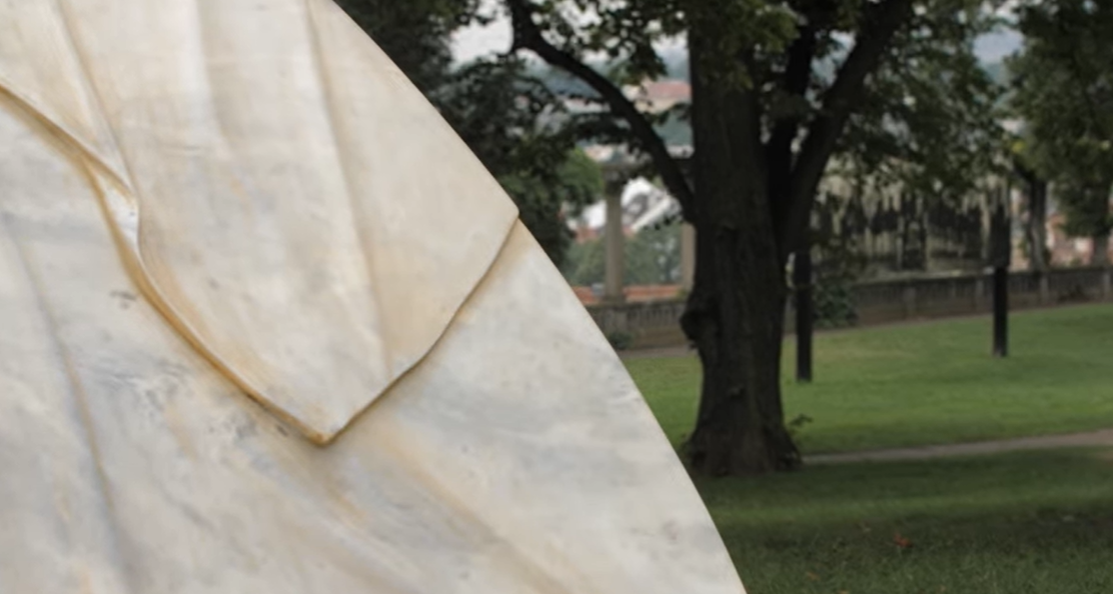
Candice Hopkins on From Inside‘s translation from Athens to Kassel
Roles, responsibilities & freedoms in Exergue on documenta 14

Musical Outro: The Rolling Stones Paint it Black (1966)
Footnote on the Eruption of Truth
In the school that I went, we had a little chicken coop that was probably the size of one of those seats with chicken coop wire. And if you misbehaved, they’d throw you in there for a day and fed you bread and water. There were all kinds of strappings and ways of harming little kids. Standing in the corner until you blacked out. Or you’d run a gauntlet. If you wet your bed, they’d line up all the boys in the dorm, and everybody would be hitting you as you went. It was so brutal and cruel. Imagine growing up as a six-year-old to a little later. Growing up in an environment where nobody once has said, I love you. You’re valuable. I care about you. Nobody ever hugged you. So when I left that school, I was so angry. I learned to hate. I was out of control. I couldn’t imagine thinking about all those other little 150 kids. I always thought I was tough. It’s okay. I’m okay. But I used to think about those other ones and say, my God, what have they gone through? I think the idea is not about the sad story about residential schools. The good idea is just emerging in Canada. We had a truth commission that just concluded its work last June. I remember being at the presentation of the final report. There were at least 7,000 of us sitting in this room. The chairman of the Truth and Reconciliation Commission pronounced, Canada, you did all this to your Aboriginal people. For that, you committed cultural genocide. The whole room erupted. Everybody agreed. Everybody somehow in that moment, if you had gone to those schools, felt vindicated. My God, somebody had finally acknowledged my trauma, my loss, my hopelessness, my despair. Here it is. It’s out there now.
- Chief Dr. Robert Joseph, a Hereditary Chief of the Gwawaenuk First Nation, speaking after Clementine Deliss’ presentation at 34 Exercises of Freedom in 2017.