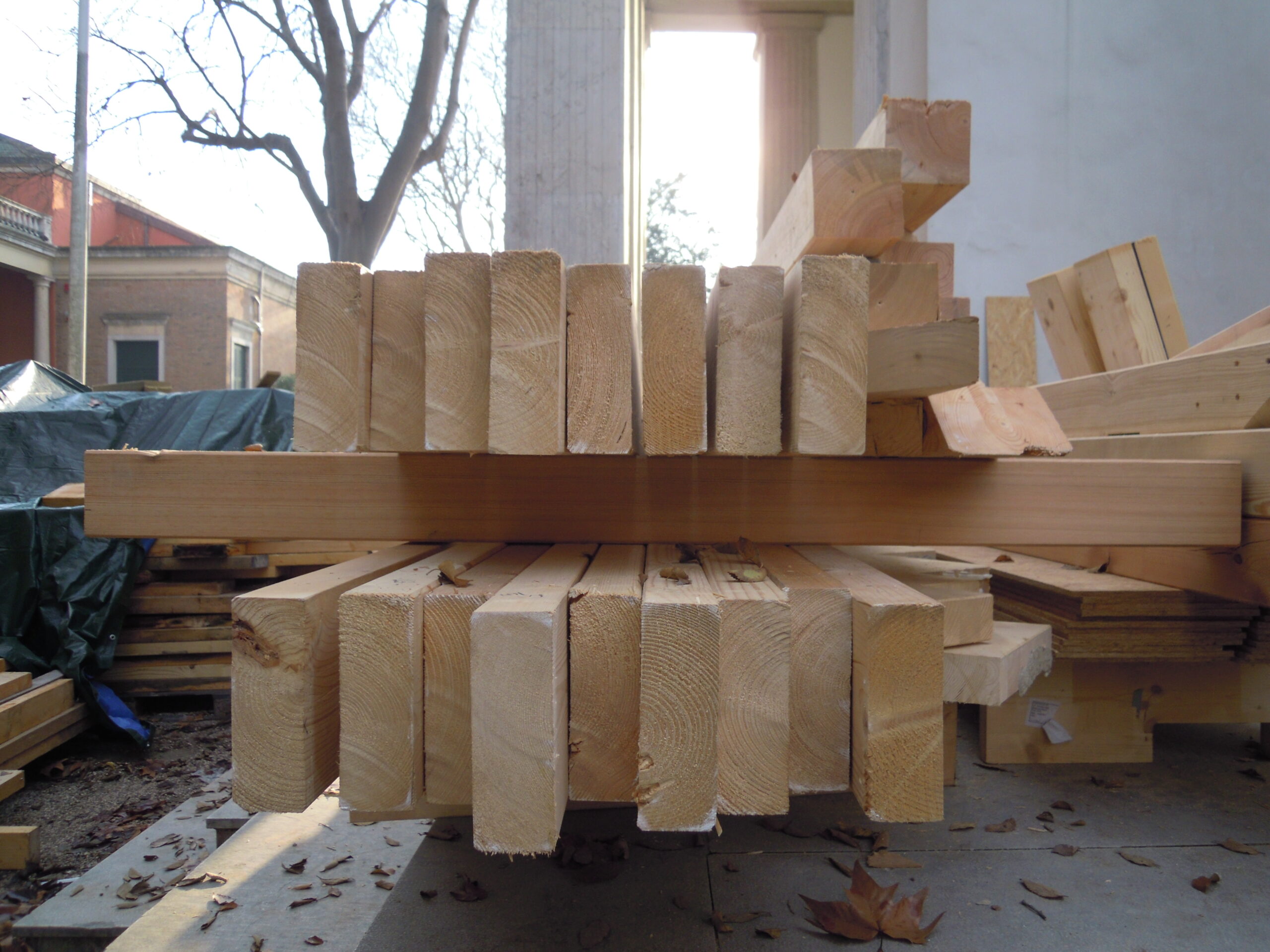
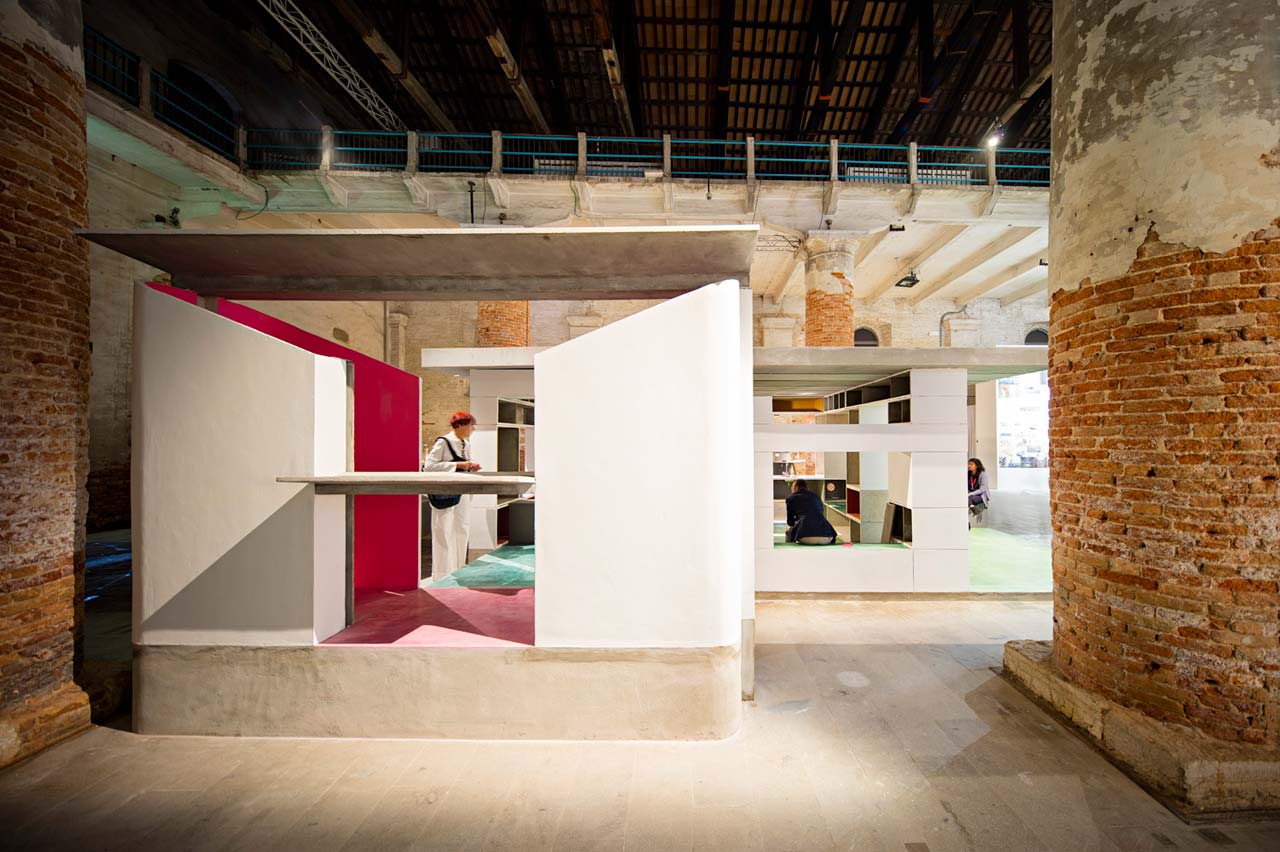
This post is a placeholder or a scaffold for something I will return to in the future. For now, all I want to say is that I am now clearer on one reason for my maintaining a stubborn, some may say perverse, commitment to ongoing learning from and teaching with documenta 14, split between Athens, Greece an Kassel, Germany in 2017, as well the first two editions of the Toronto Biennial of Art 2019-2022, which in important ways extended d14 to a settler colonial context owing to sharing some of d14 curatorial, learning and artistic personnel. This reason (among others) that is coming into focus for me is the fact that the constant proliferation of biennial-style exhibitions is not only unsustainable and wasteful on a material and environmental scale, but also in terms of what can be learned with and through them. In spite of the immense labor and resources that go into their creation, there is very little incentive to engage with them once they have passed, beyond where they might fit within broader canons of exhibition histories. However, pedagogically, there is so much that can be reused from these temporary, place-based, exhibitionary interventions and there are real stakes raised by staying with them for generative insights, both into the present and for the future. What I’m suggesting is the educational equivalent to the Rebiennale project, run by a group of activists in Venice who reused materials from the 2015 German Pavilion in the work of Anupama Kundoo for the 2016 Architecture Biennale.
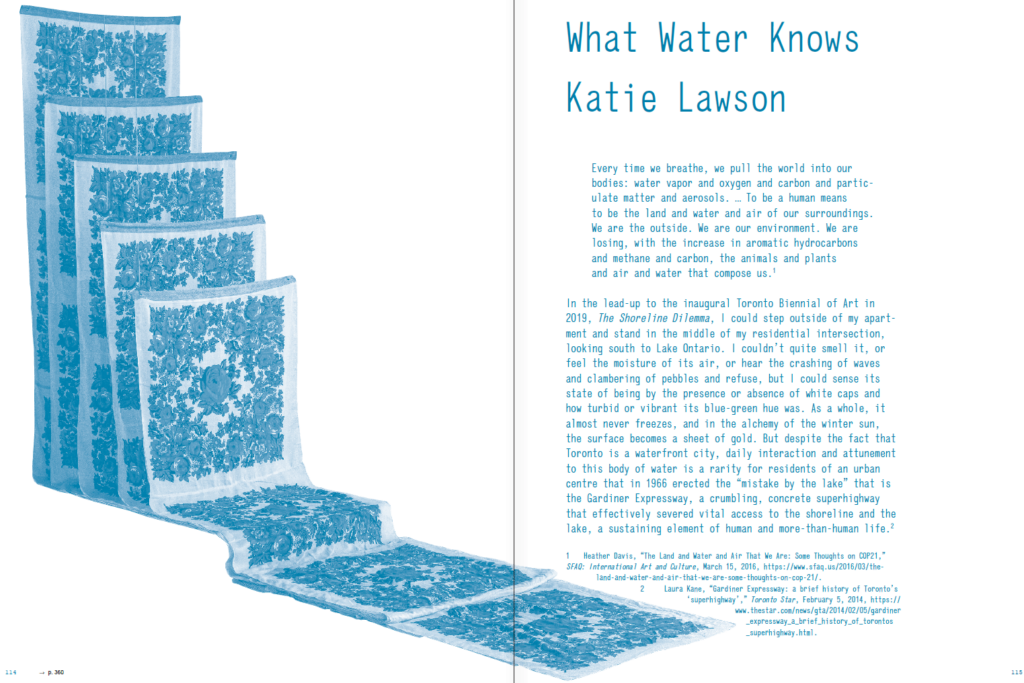
I am also thinking of the final footnote to Katie Lawson’s essay ‘What Water Remembers’ in the catalog for the 2019-22 Toronto Biennial Water, Kinship, Belief, which reads:
The strategy of taking up vacated spaces is one of many when thinking expansively
about how to work in and with the specificity of a place. To me, this is intertwined with
the question of how an arts organization can work with the rich and vast network of existing
institutions in the city to ensure we can reuse or recycle elements of exhibition
presentation (like plinths, vitrines) that are so often custom-made for single use before
it makes its way to the landfill.
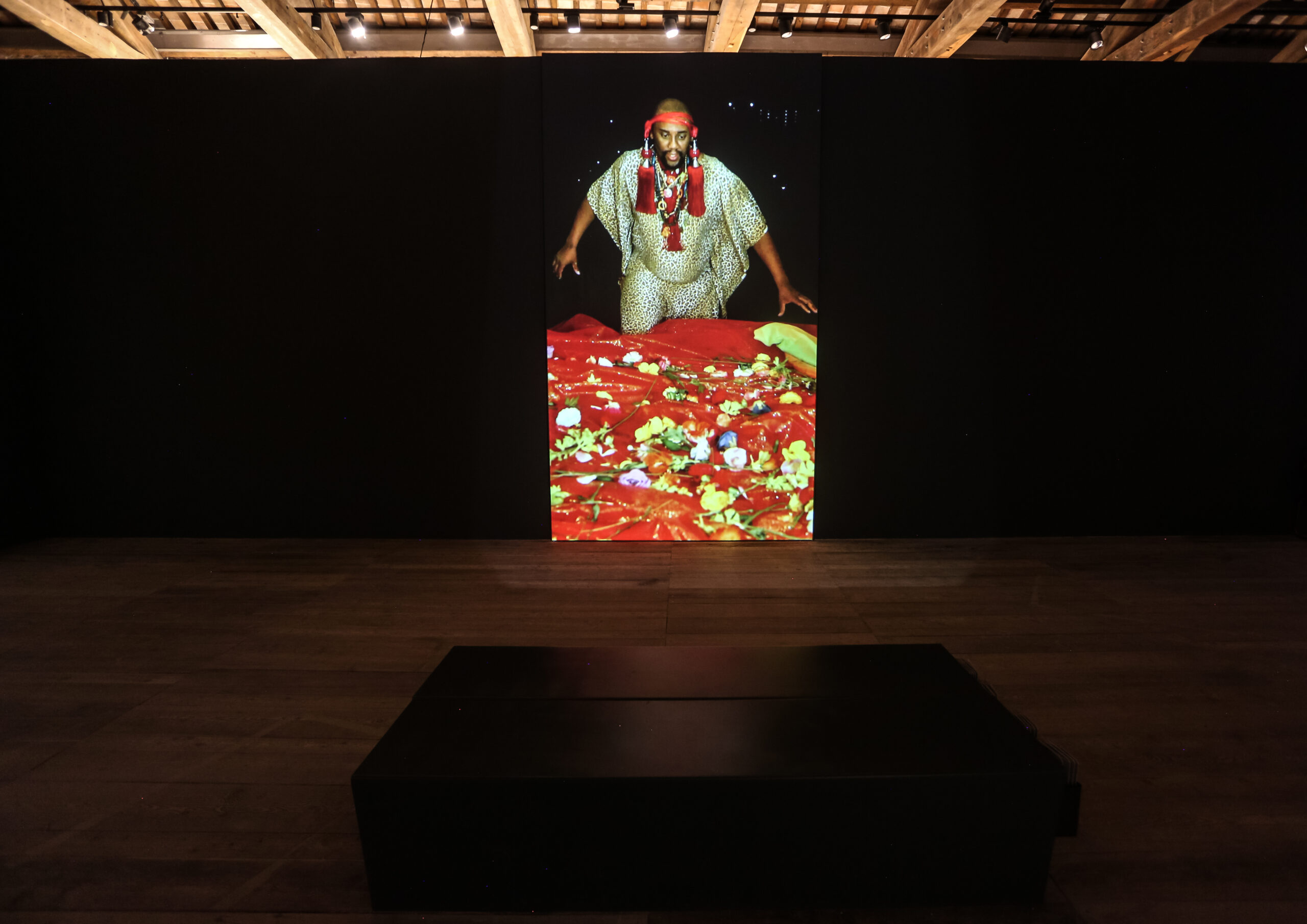
As the current contested iteration of the Venice Biennale, both it’s rich main exhibition In Minor Keys and vast network of national pavilions, fade with time and those invested in its newness move onto something and someplace else, what aspects of this Biennale, if any, will be ripe for a slow, retrospective reuse in a classroom somewhere in the world in an unknown future? For now, let me quote the libretto from Tracey Rose’s video Hard Black on Cotton from the South African Pavilion 2019 The stronger we become.
“Many-Sided Wisdom: A new politics of the Spirit”
Nothing to be gained here:
Come to my room let me tell you a story.