April 18
April 19
April 21
May 16
May 26
June 2
June 7
June 11
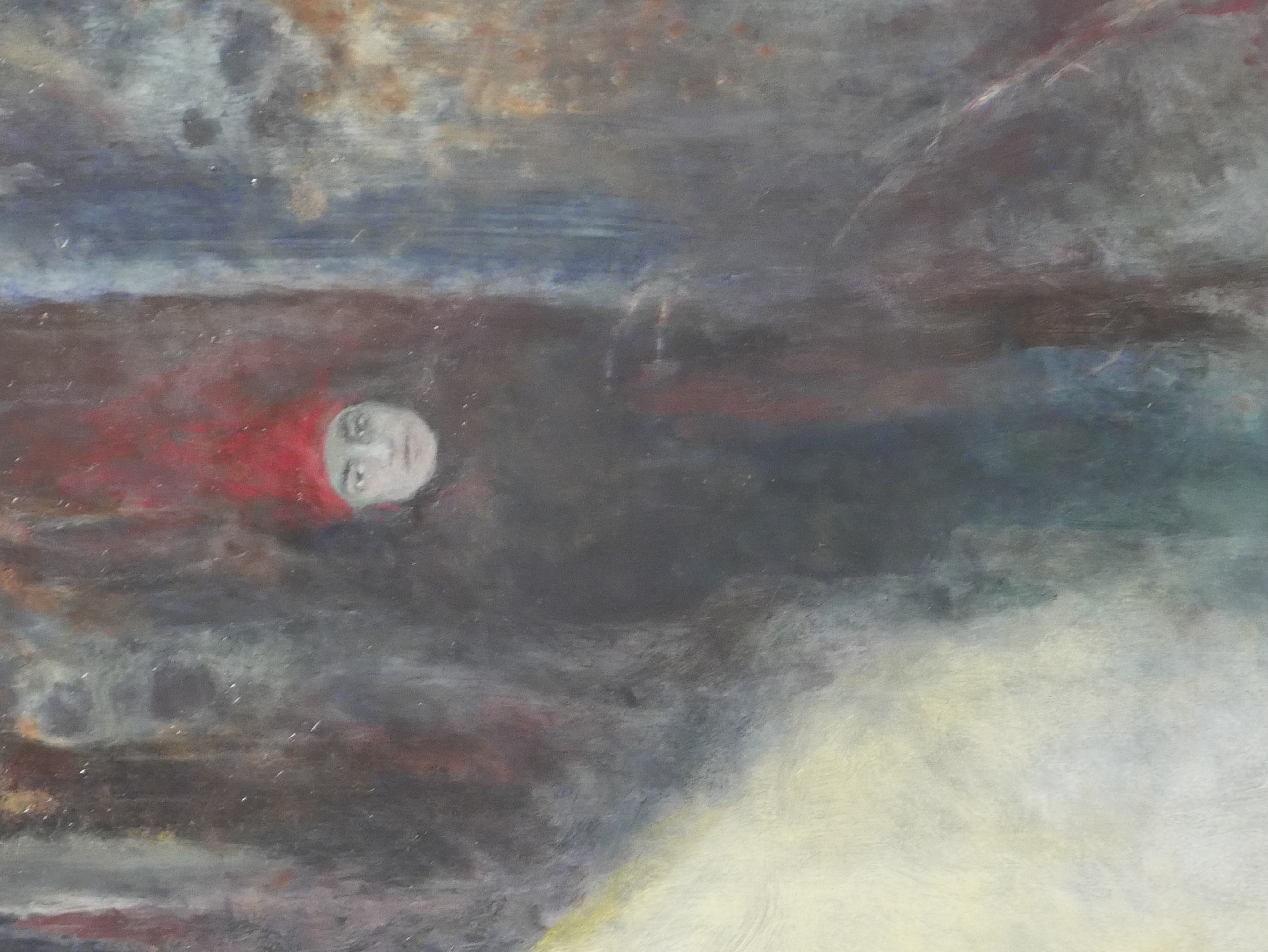
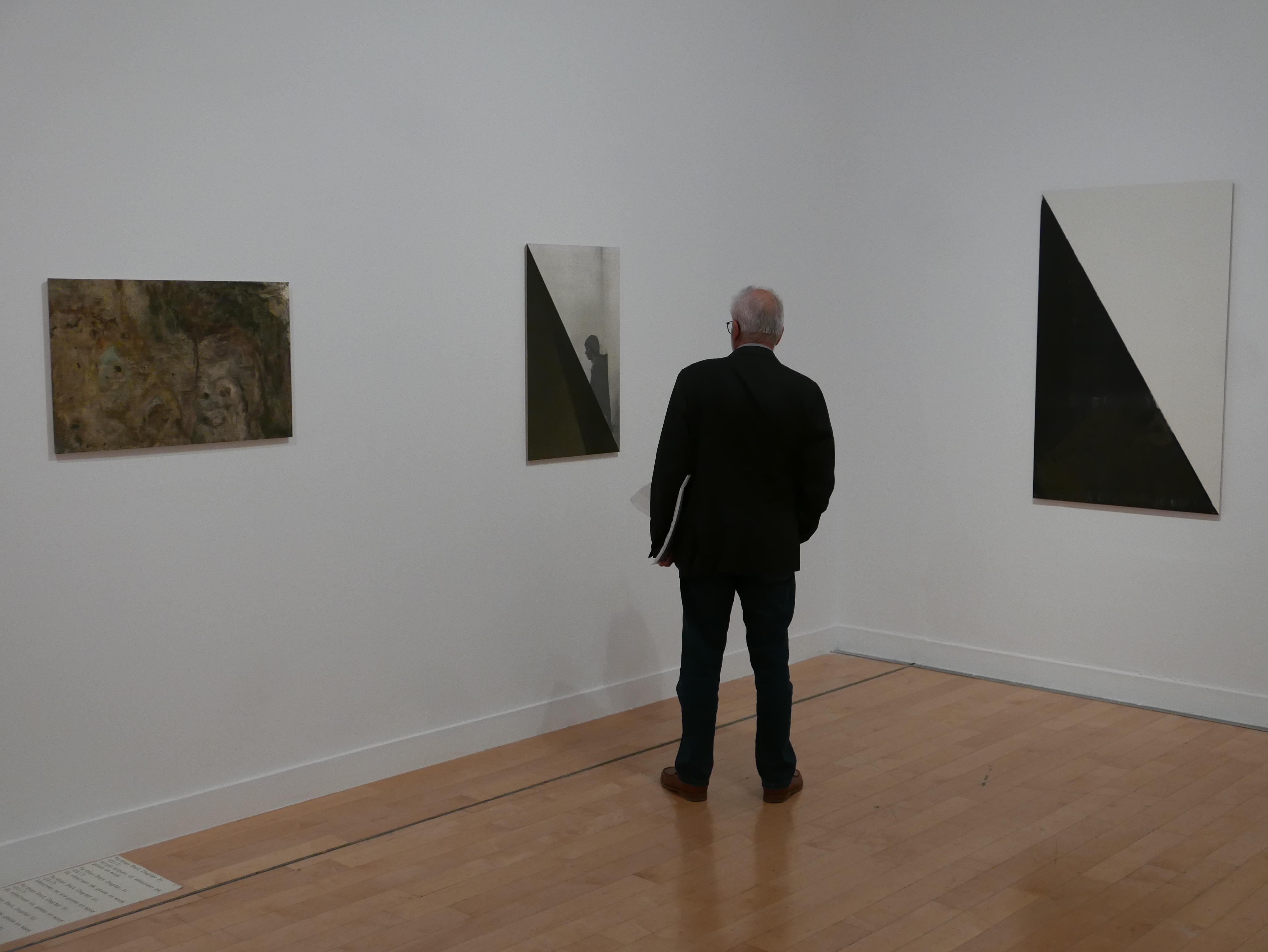
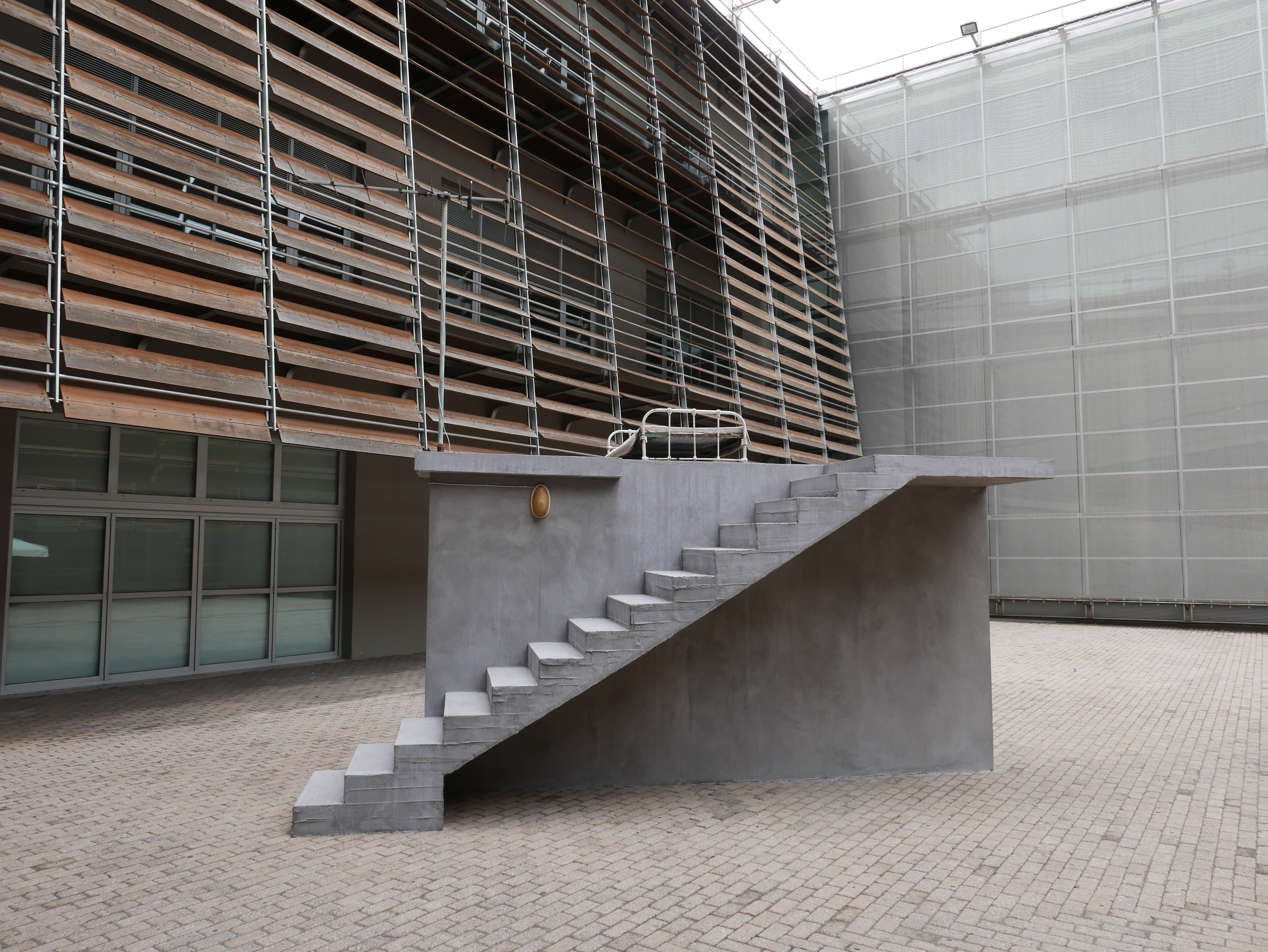
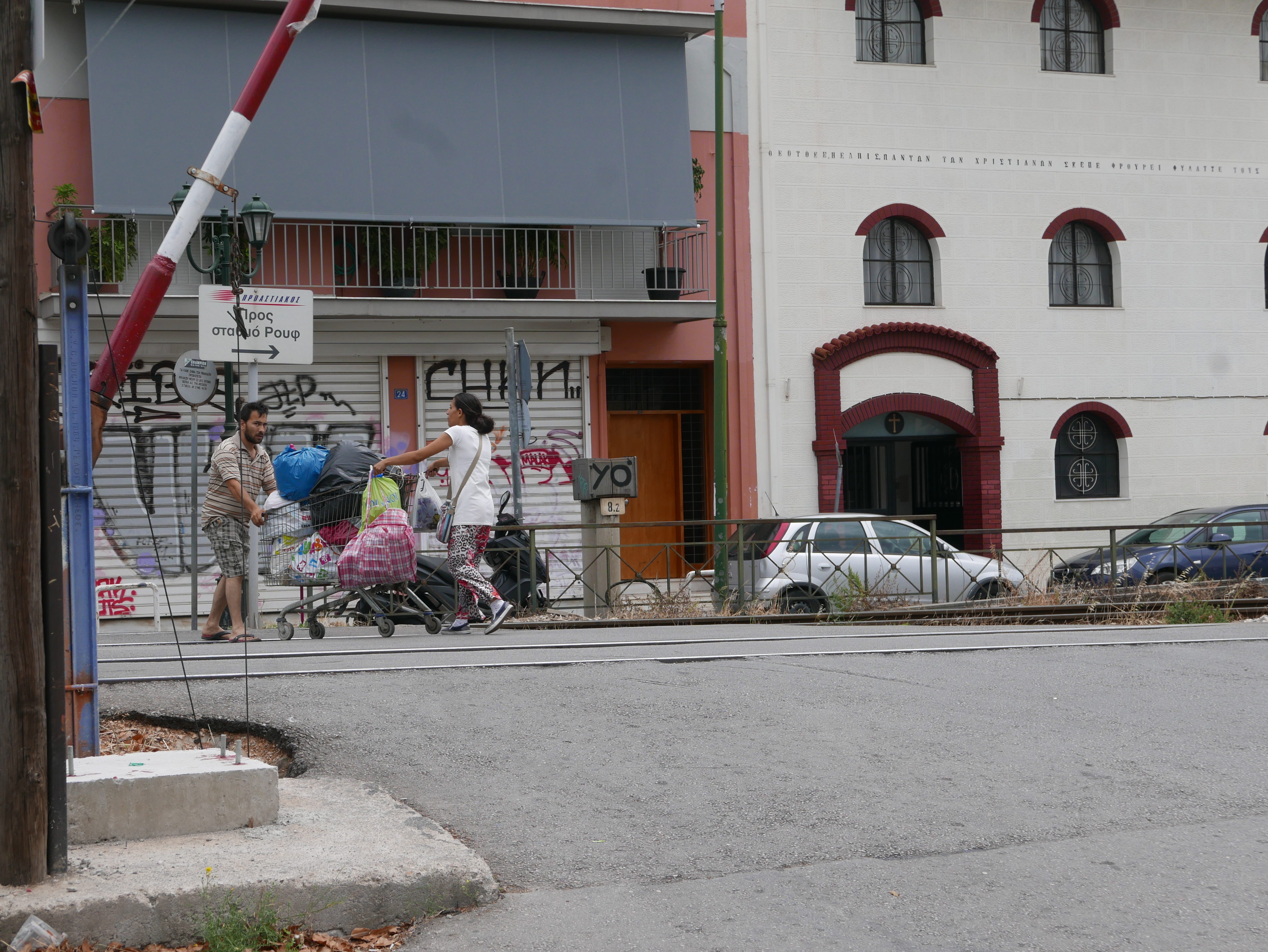
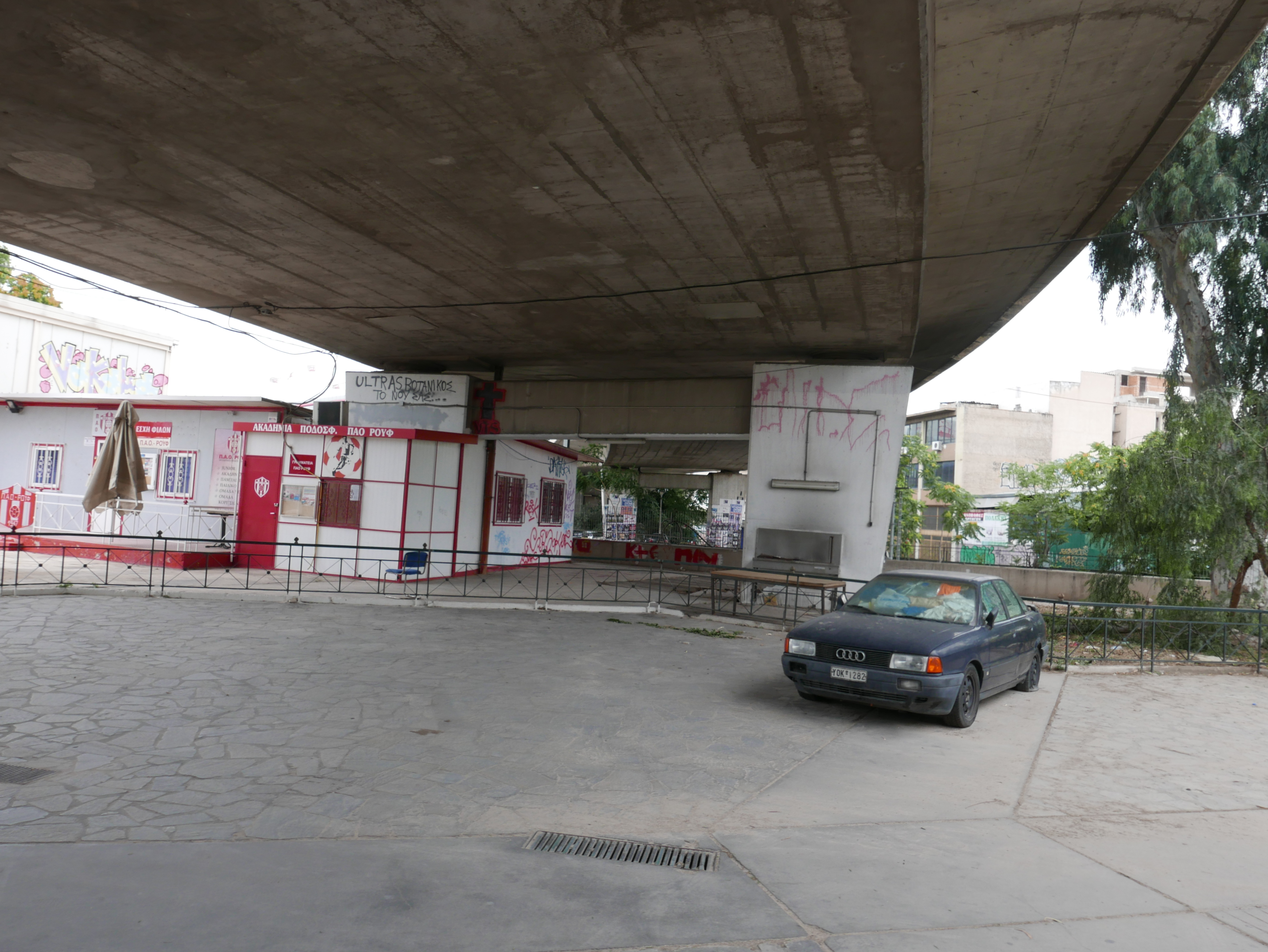
July 19
August 5
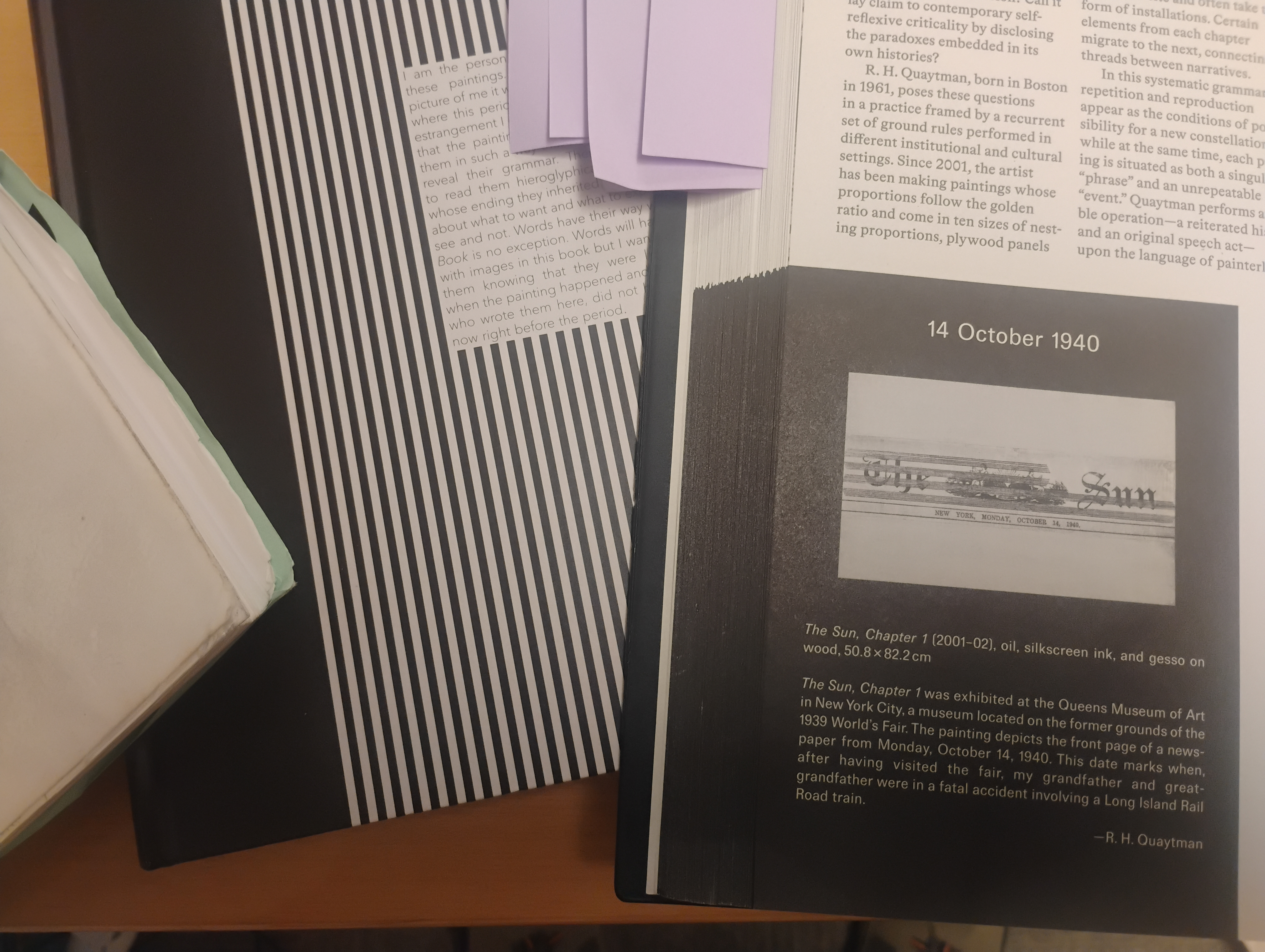
August 8
August 10
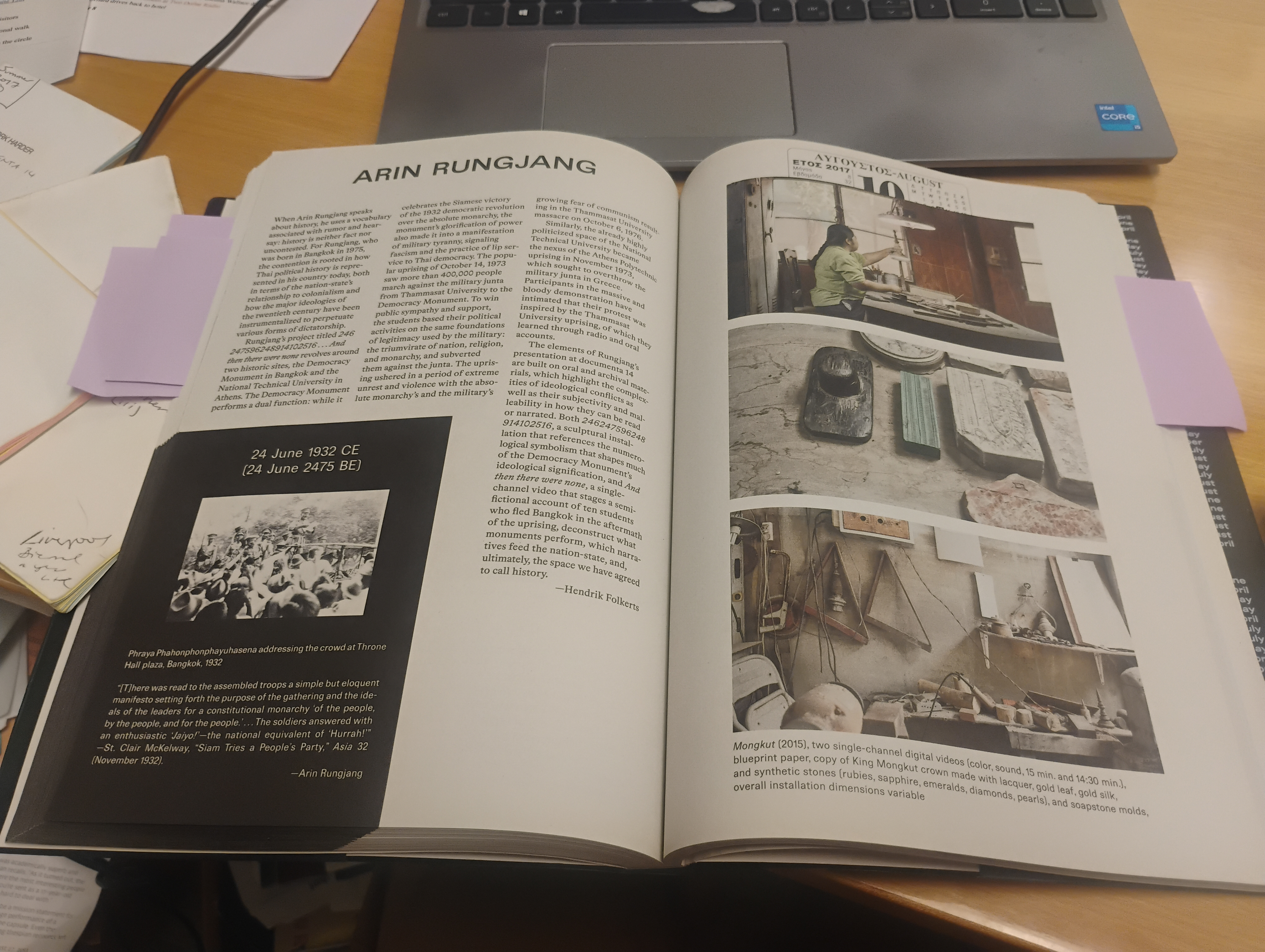

September 2
Appendix:
A Disturbed Memory of Ametria
Richard Fletcher
When I think of all the possible memories of Ametria, from the intense and deep recollections by the curators and architects who conceived of the exhibition (some of which are recorded in these pages), to visitors who really took their time to explore every twist and turn of this labyrinthine display of the intertwined collections of the Benaki Museum and the DESTE Foundation, I cannot help but feel like the single memory of a Classicist may seem somewhat excessive. In my defense, however, the very premise of dismeasure as the title and guiding concept of the exhibition would seem to encourage this kind of impulsive and irrational approach to its memory. (Could this memory be the error that turns out to be right?) And, of course, as a Classicist, the exhibition’s title and core concept reminds me of the passage in book 6 of Plato’s Republic when Socrates ends his list of characteristics required by the ideal philosopher by observing that, when given the choice between ‘measure’ (emmetria)or ‘dismeasure’ (ametria), this philosopher would obviously opt for the former. Indeed, just before this passage, if I remember correctly, the last of the list of characteristics, following courage, magnificence, ease in learning, was the need to have a good memory. If we, along with artist Roberto Cuoghi, forget Plato and choose dismeasure, we should also abandon any good and orderly memory of the exhibition, and instead give pride of place to a what I call a ‘disturbed’ memory of Ametria?
To be clear, it is not because it is deficient or false that this memory of Ametria is ‘disturbed’. Sure, my recollection is limited due to it being a rushed visit, which took place amid the drinking and excitement of the opening. I also must admit to being somewhat distracted during parts of my visit, as I was transfixed by a heated conversation between an artist and an art historian about ancient Greek temples and skeptical philosophy. That said, as much as I have forgotten about Ametria, the details of specific artists’ work or the nuances of the juxtapositions between the contemporary and historical collections, I still maintain a clear recollection of the unique experience of navigating its dimly lit pathways. So clear in fact that, again being a Classicist, I was tempted to compare my visit to Ametria with the lesser known version of the Theseus myth in which the labyrinth was designed by Daedalus based the choreography of a local Cretan dance. All Theseus had to do to navigate the maze was to remember the steps of the dance taught to him by the besotted local girl Ariadne. I found it ironic that this version of the myth valorized Theseus’ heroic powers of memory, when he is also recognized as dangerously forgetful – abandoning Ariadne on the island of Naxos, failing to remember to lower the black sail that caused his father to leap into what would be then known as the Aegean Sea.
No, I call my memory of Ametria ‘disturbed’ in homage to a specific moment early in Sigmund Freud’s letter/essay, written in 1936 at the age of 70, called ‘A Disturbance of Memory on the Acropolis’. When Freud recalls how, on standing on the Acropolis over 30 years earlier, a ‘strange thought’ occurred to him (“So all this really does exist, just as we learnt at school!”), he compares it to something that someone would exclaim on seeing the Loch Ness Monster stranded on the shore. Of course, Freud being Freud, he proceeds to offer a sounder, psychoanalytic analysis of his ‘disturbance of memory’ as resulting from the combination of a feeling of ‘derealization’ and the forbidden wish to excel the father. However, my memory of Ametria has meant that I cannot stop thinking about Freud’s reference to the Loch Ness Monster as my own ‘disturbed’ memory. Perhaps it was again the association with the myth of Theseus and the Minotaur that I thought of in relation to the labyrinthine Ametria. I knew that the character Theseus in modernist poet H.D.’s Helen in Egypt was modeled on Freud, and she has him psychoanalyze out of existence the monster he had slain in the labyrinth as ‘an idle fancy,/a dream, a Centaur,/hallucination of infancy’ (HE 168). Yet, beyond H.D.’s Theseus, I believe there is another reason why I have always paused on Freud’s easy dismissal of the Loch Ness Monster in his analysis of his Athenian memory. And now I think it is finally the time to tell you about my ‘disturbed’ memory of Ametria, after a few words of context for both my visit to Athens last year and that of my writing this essay now.
Like Freud, I am writing here about my first visit to Athens. Yet, as a Classicist who researches and teaches ancient Greek and Roman literature, philosophy and mythology, my not visiting Athens has always been a cause of acute embarrassment. Curiously, my visit last year was not, as it seemed to have been for Freud, a belated visit to see firsthand the Acropolis, the Agora or other ancient sites that I had studied at college and teach to my students. My visit to Athens was very much a result of my present (and future) intellectual interests in the dynamic between antiquity and contemporary art. I was in Athens preparing to take part in a Symposium organized for artist Paul Chan’s project Hippias Minor and the Art of Cunning on the at the DESTE Slaughterhouse on the island of Hydra. Furthermore, if Freud’s memory was haunted by his present immobility and his impending death at aged 70, my own memory is tinged with restlessness and anticipation for what is to come. Following my visit last year, I am working on a project about the topography of philosophical education from Plato’s Academy to contemporary Athens, Rome and Tunis (Carthage), which means that looking back at Ametria, I cannot help see the seeds of my present interests, and as such, explain the ‘disturbed’ memory which I shall (finally!) describe.
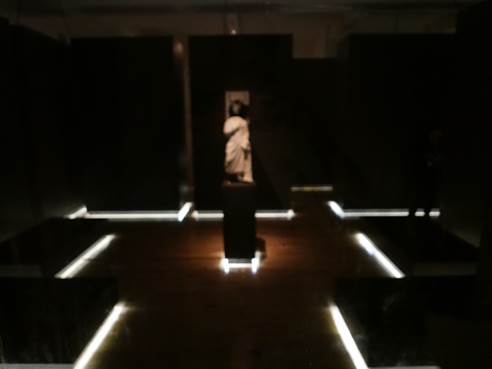
A few weeks ago I was looking through the photographs that I had taken in theexhibition. There were not many, only 9 in total, which was perhaps a sign of how fleeting my visit and distracted my state of mind as I often obsessively take photographs of every nook and cranny of exhibitions I visit. One photograph was of the wall text at the entrance, four were close-ups of individual works (three by artists I recognized and one I still can’t place), and one of a neat juxtaposition of an Attic vase depicting Priapus, sandwiched between naked female figures with blacked out faces, which I would later discover were Group Mel-Air’s Mayfair Ladies (2004). The three remaining photographs dwelt on one space in the exhibition that I remember finding especially compelling. It contained a small headless statue of what looked like an orator on a pedestal occupied the centre of the room, while behind it on the wall hung a photograph of a horned tragic mask (which I would later understand as taken by surrealist photographer Nelly and depicted Io from a 1930s film of Prometheus Bound). One of my photographs was blurred and taken from the exact angle at which the head could be made to fit on the shoulders of the headless statue, creating a monstrous hybrid. As someone who has researched the performance of orators and philosophers in the 2nd-3rd centuries of the Roman Empire, I enjoy the playful conflation of the dramatic performance and the orator’s body. The following day, after the opening, I would see both the Theatre of Dionysius and the Odeon of Herodes Atticus and I recalled this moment in Ametria, spilling out onto the cityscape of Athens. Yet, as for the blurred photograph, I suddenly remembered something about the angle from which it had been taken. I had found a door to a tiny space room, which had a one-way mirror enabling me to take the photograph of my ‘masked-orator’, unseen by the passing museum guard. It was then that I had my Loch Ness Monster/Minotaur moment. Occupying the same space as me was a thigh-high head, covered in straggly hair. There was something terrifying about this moment that I will never forget, my own version of the scene at the beginning of David Lynch’s Mulholland Drive, with the dream of the terrible face in the dumpster behind the diner is reenacted. Even when I later discovered that the tiny room was the work of Gregor Schneider, as part of his Totes Haus u r (a specific room called Gutt Mutter) the identity of the hairy headed monster remains a mystery. Was it another mask from Prometheus Bound, possibly that of Prometheus himself? Or was it the mother inhabiting Schneider’s room? Or was it somehow both at the same time?
I am sure that I will eventually solve the mystery of the monster in the room, one of the curators will no doubt clue me in, and it will become like those photographs of the Loch Ness Monster. Nonetheless, this single ‘disturbed’ memory represents, in a nutshell, the overwhelming power and significance of Ametria as an exhibition and project. I welcome the opportunity to share this with you now in this retrospective publication, how startled I was (and still am) by encountering one of the myriad objects from the Benaki Collection at the very moment of negotiating the ‘dismeasure’ of two others: the statue and the mask. At the same time, this encounter only happened while I was engaging (albeit unconsciously) with, and from the perspective of, a work of contemporary art from the DESTE Foundation collection. Therefore, whenever I think about the monster in Ametria, I will simultaneously think about mysterious and uncanny potential for the dynamic between antiquity and contemporary art, I will always recall that it was Ametria that gave birth to the following variation of Freud’s strange phrase: ‘It really does exist, and this is what I will teach my students’.