
Don’t Miss the Train

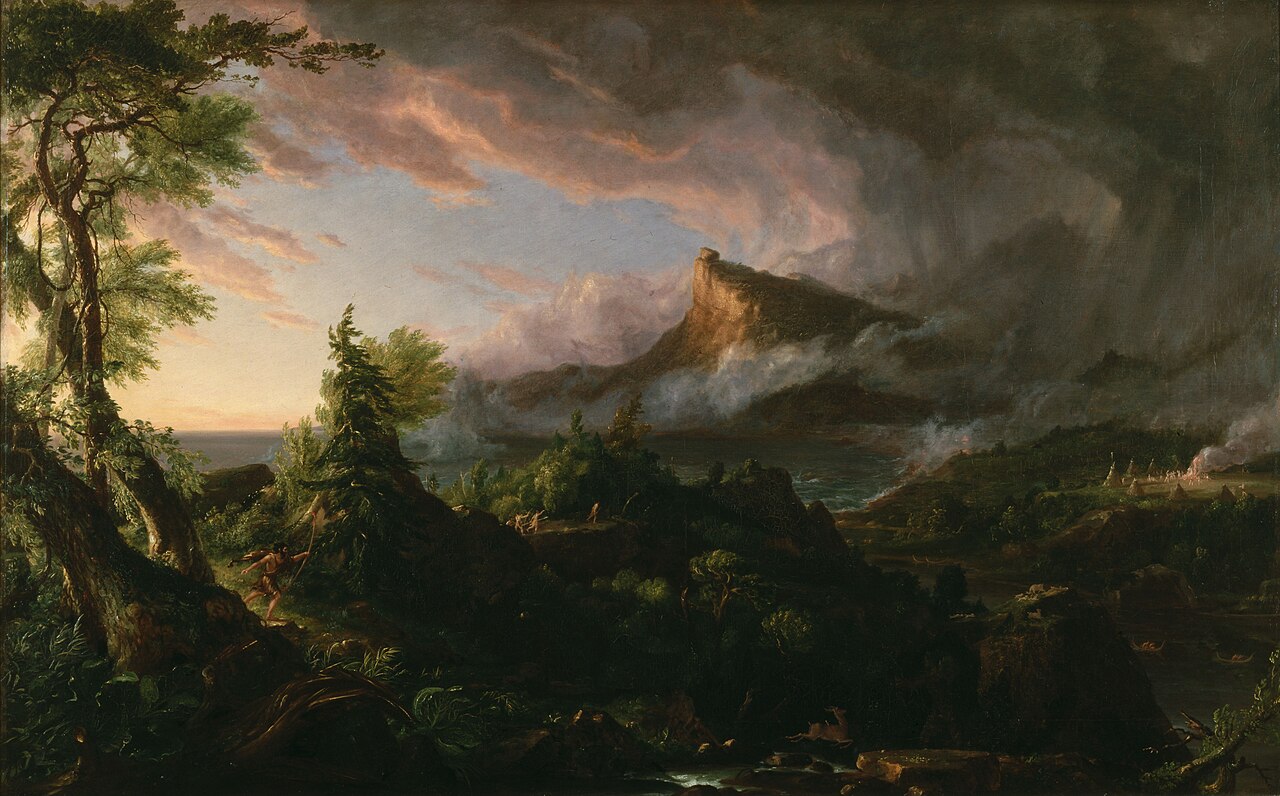
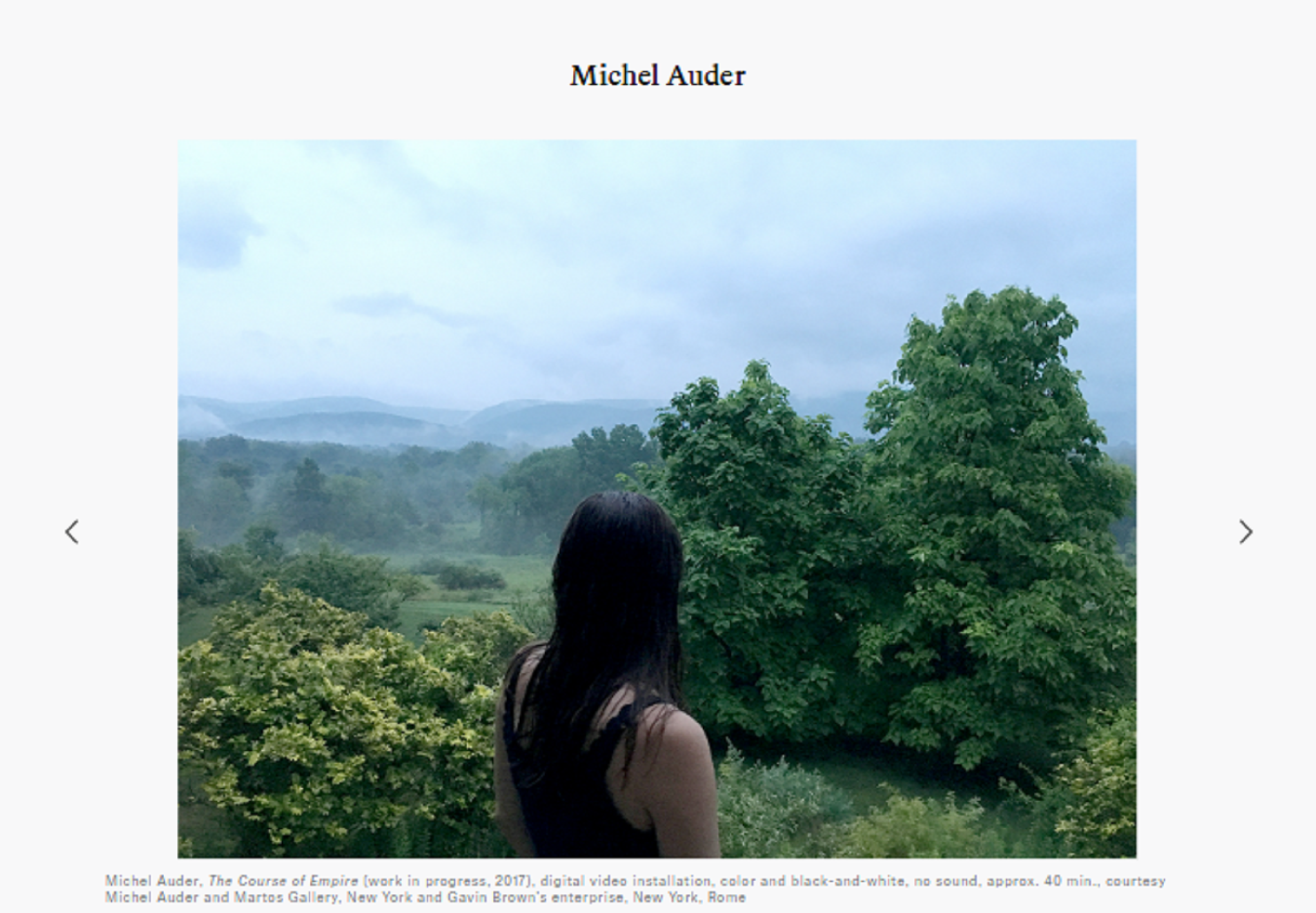
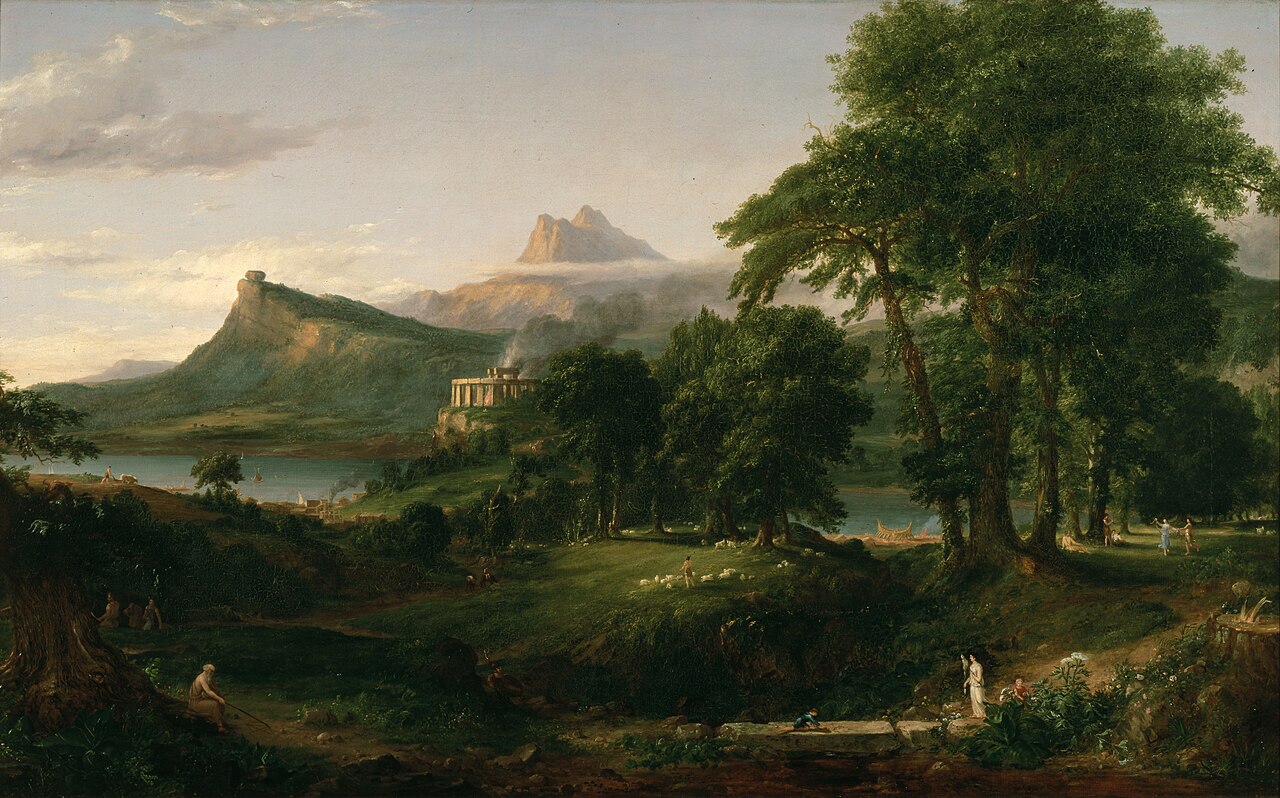
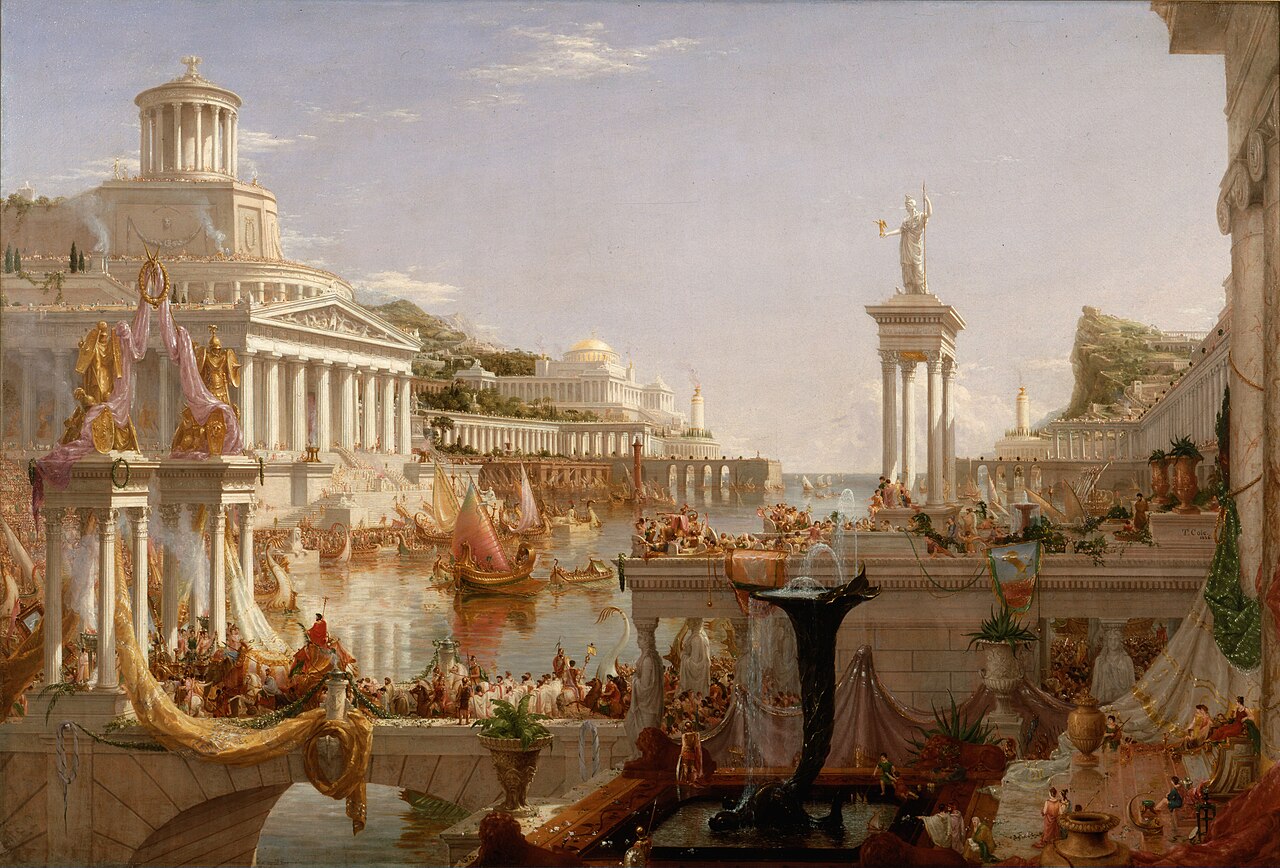
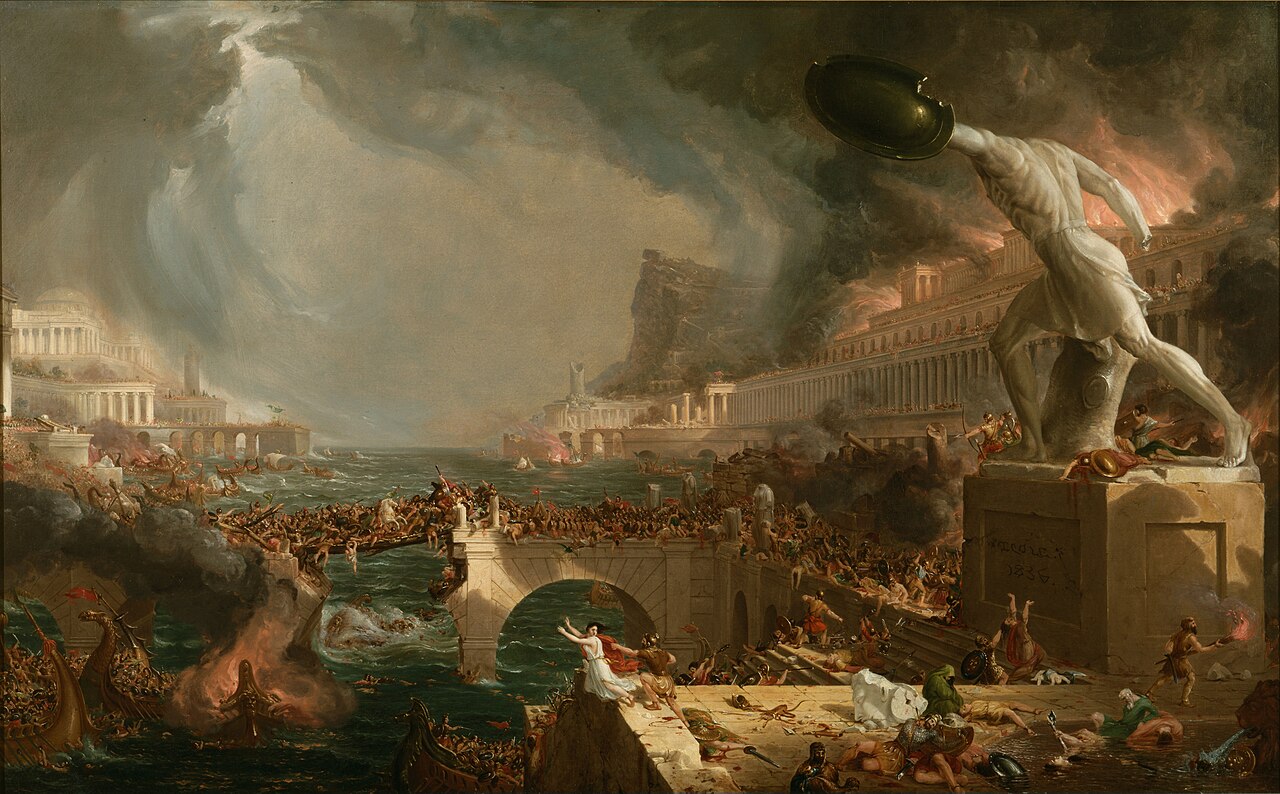
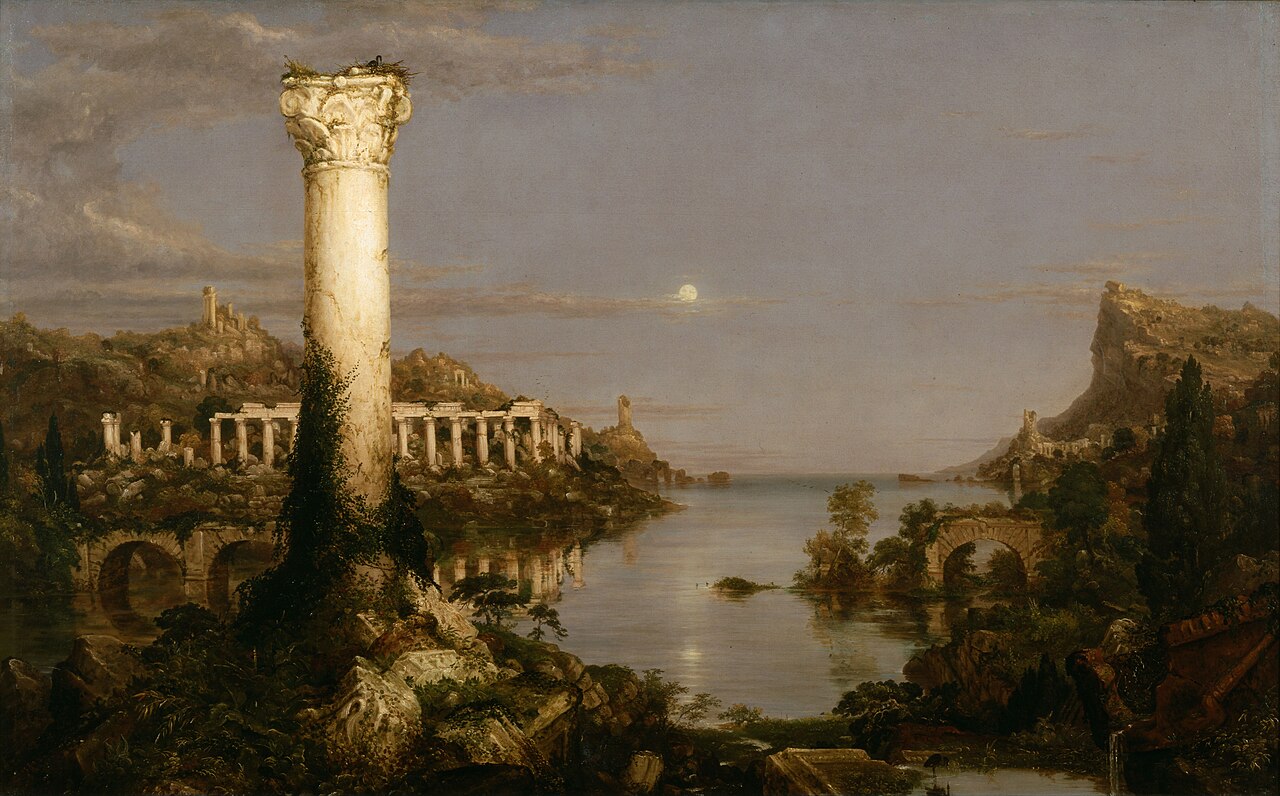
But empire, its idiot families and colonialist invasions, land grabs and resource exploitations, goes further back. As does its exploitation of language, both visual and linguistic. Auder’s new video installation The Course of Empire (2017) is inspired by the eponymous series of paintings created by Thomas Cole from 1833 to 1836. A “text film,” constructed from iPhone images of writings by James Baldwin, Donna J. Haraway, and Arthur Rimbaud, Auder’s Course of Empire also features excerpts from Alexander von Humboldt’s slave-trade opus Personal Narrative of Travels to the Equinoctial Regions of the New Continent during the Years 1799–1804. Humboldt notes, via Auder’s film: “[T]he slave is exposed in the solitude of a plantation or a farm, where a rude capataz, armed with a machete and a whip, exercises absolute authority!” And: “[T]his class of men feel pleasure in exercising a cruel empire on animals as soon as they have a chance.” Empire and language, and all the bodies in between.

—Quinn Latimer

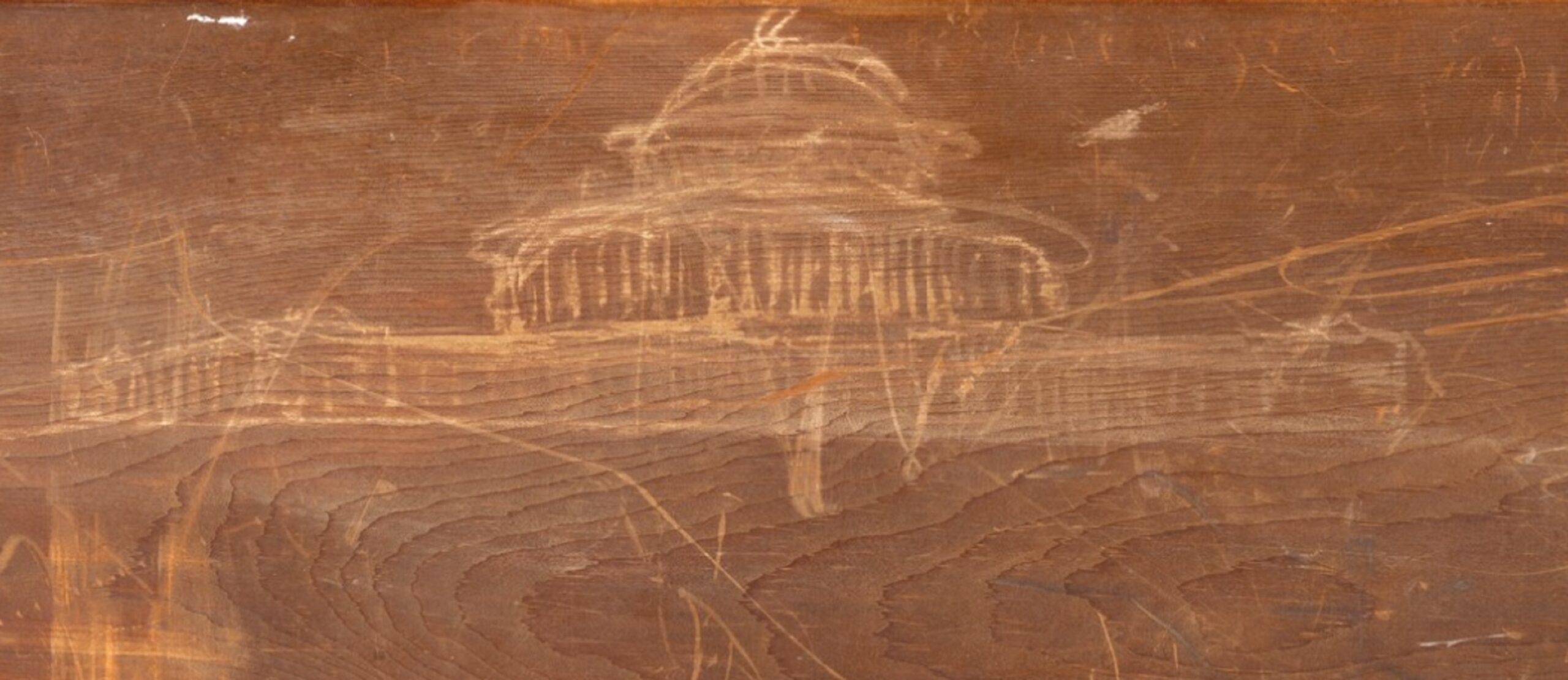
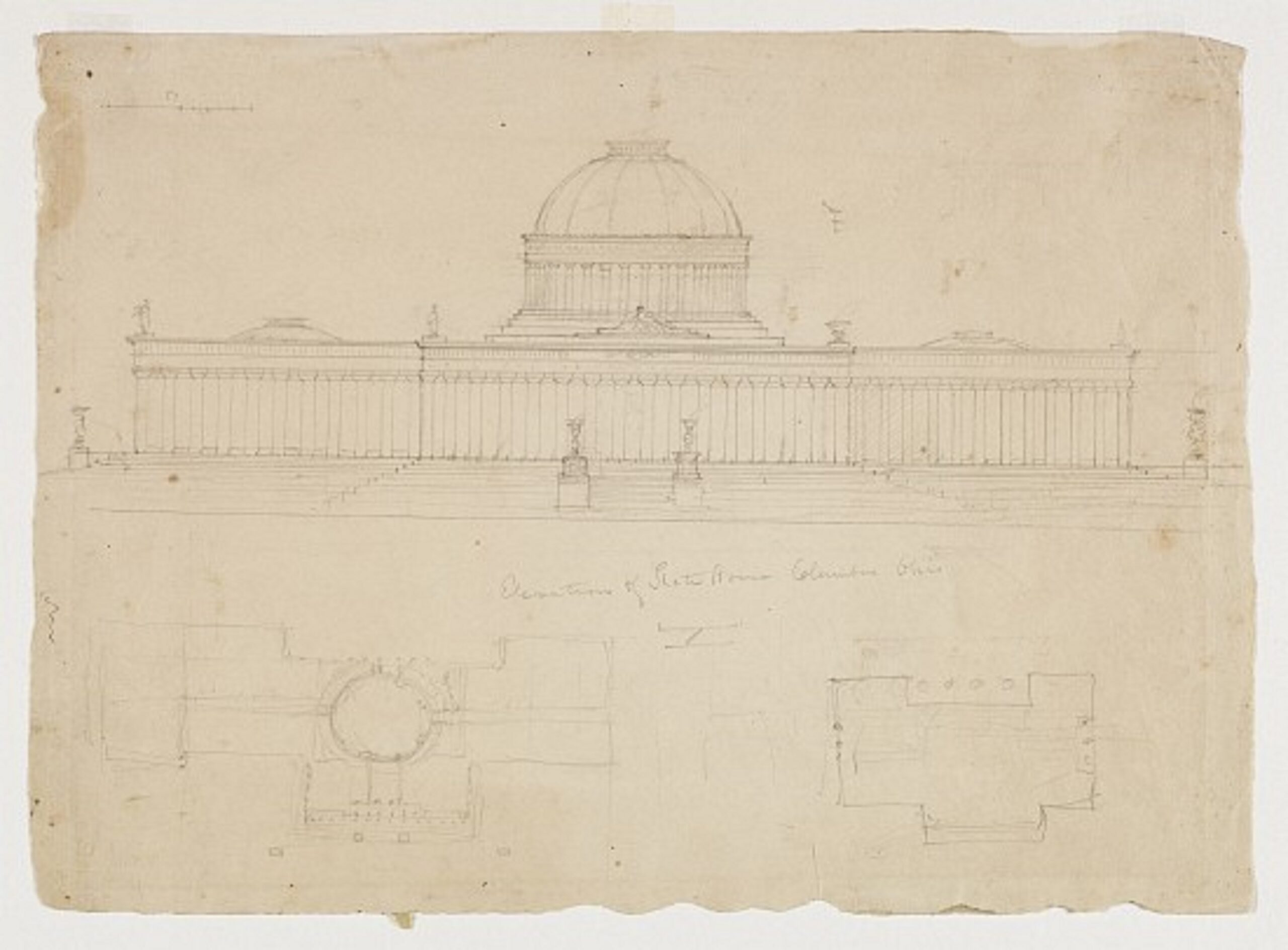
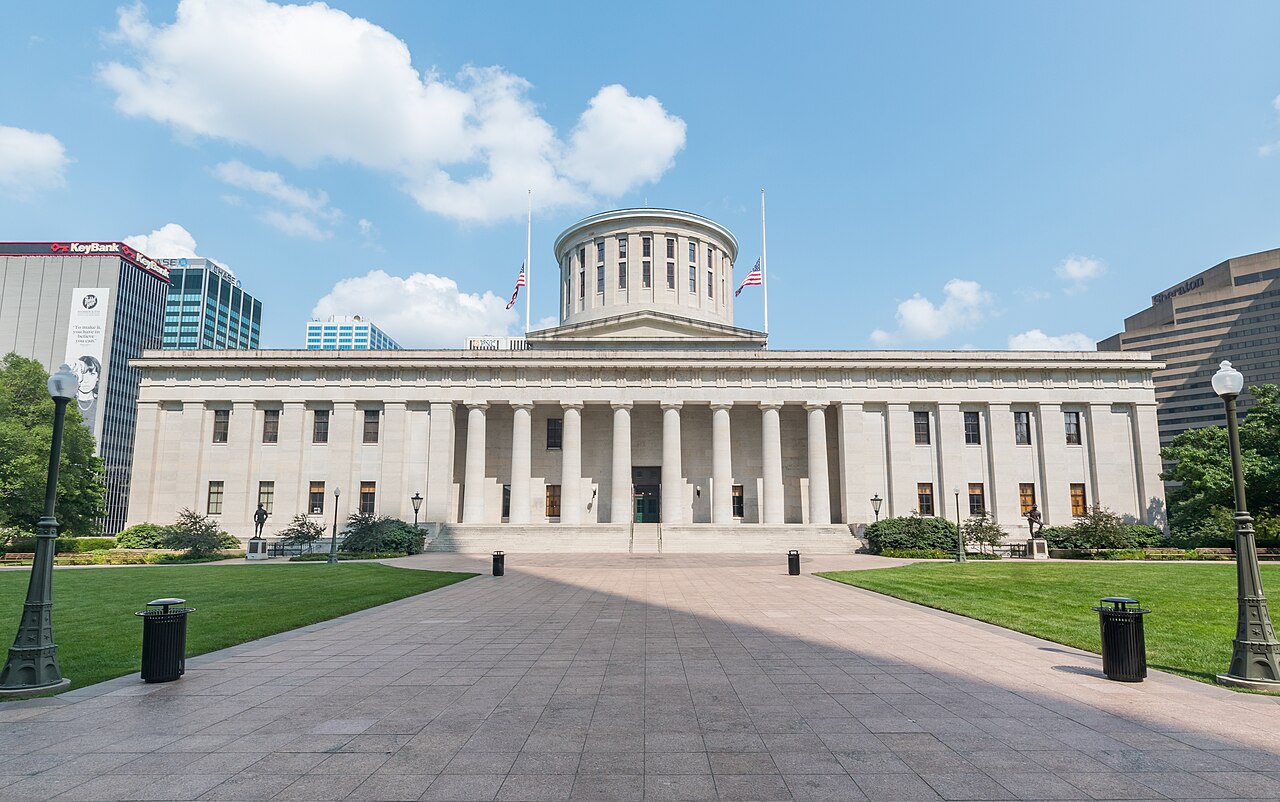
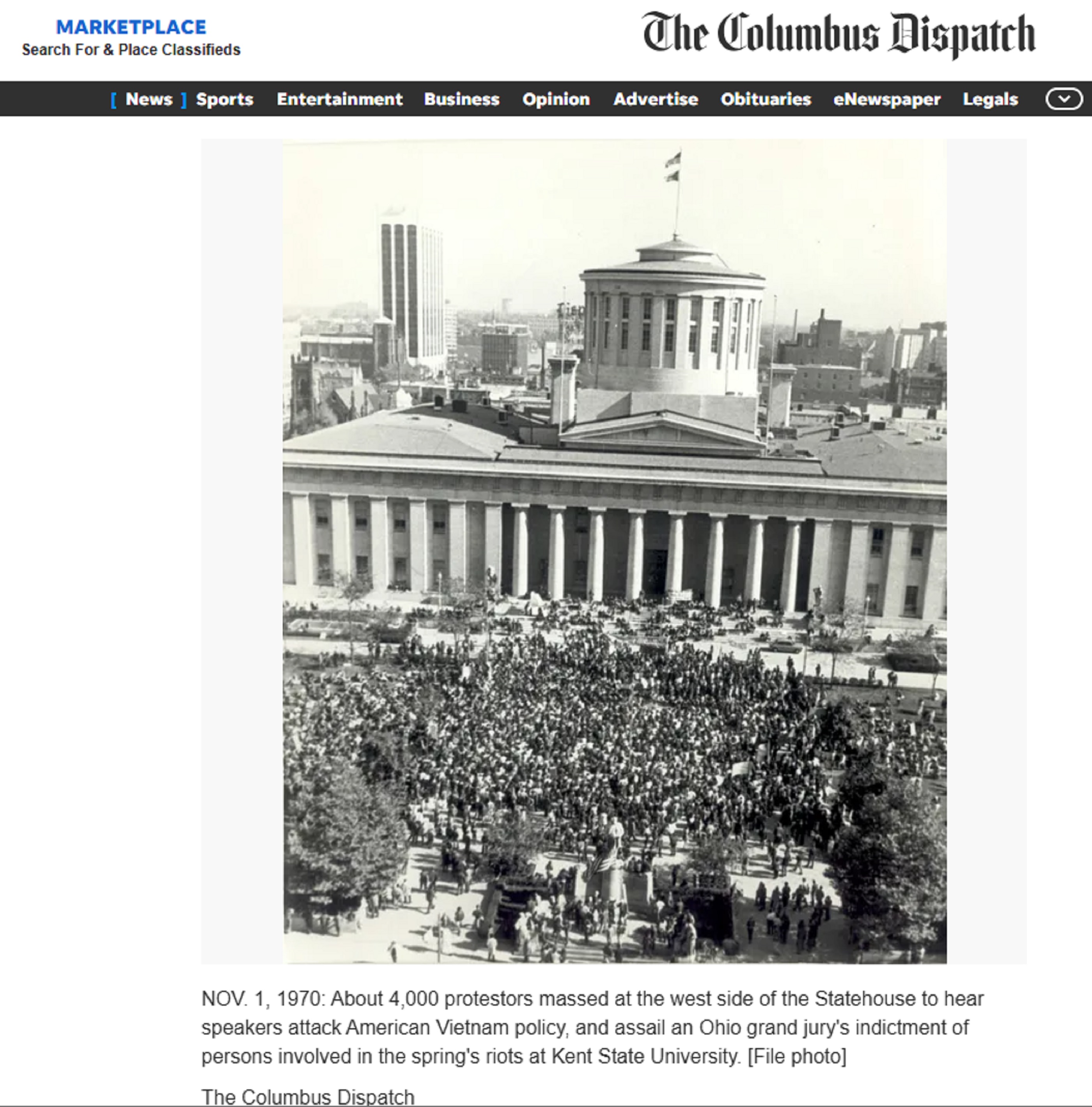
The competition for the commission, advertised in Ohio, Philadelphia, New York, and Washington newspapers, drew between fifty and sixty entries. The new Capitol was to be in Greek Revival mode, a style that recalled the birthplace of democracy. Three similar designs were chosen by the Capitol Commission as acceptable in 1838. All were compact, rectangular structures that sat on high foundations. The entrances designed by the first- and second-place winners, Henry Walter of Ohio and Martin Thompson of New York, respectively, had projecting porches crowned by pediments (triangular gables). In third place was Thomas Cole, the New York painter, who eliminated the pediment and created the most compact and horizontal building of them all, articulated by pilasters (square pillars attached to the wall) with inset windows and a stepped-back, columned porch. Although each contestant’s conception was distinct, all the winning designs departed from a strictly Greek style by incorporating a dome.

Still plagued by indecision, the Commission began to lay the foundation for the Capitol in 1838. Cole’s design was chosen (with modifications) as the favored one in 1839, although the reasons underlying this are unclear. Unlike the other entrants, the painter had no solid experience in building and used the expertise of his draughtsman nephew to help him draw up his plans. Cole did have architectural pretensions, however, and had listed himself as an architect in the 1834 –1835 New York architects’ directory. Moreover, he had lived in Ohio in his youth and was a close friend of William Adams, a member of the Capitol Commission. On receiving third place, Cole wrote Adams to complain, “In justice, I ought to have first premium.” Probably as consolation, Walter, the first-place winner, was appointed supervisor of the works. The cornerstone was laid on July 4, 1839, and by the end of the year, the walls of the Capitol’s foundation, erected with convict labor, were well underway.

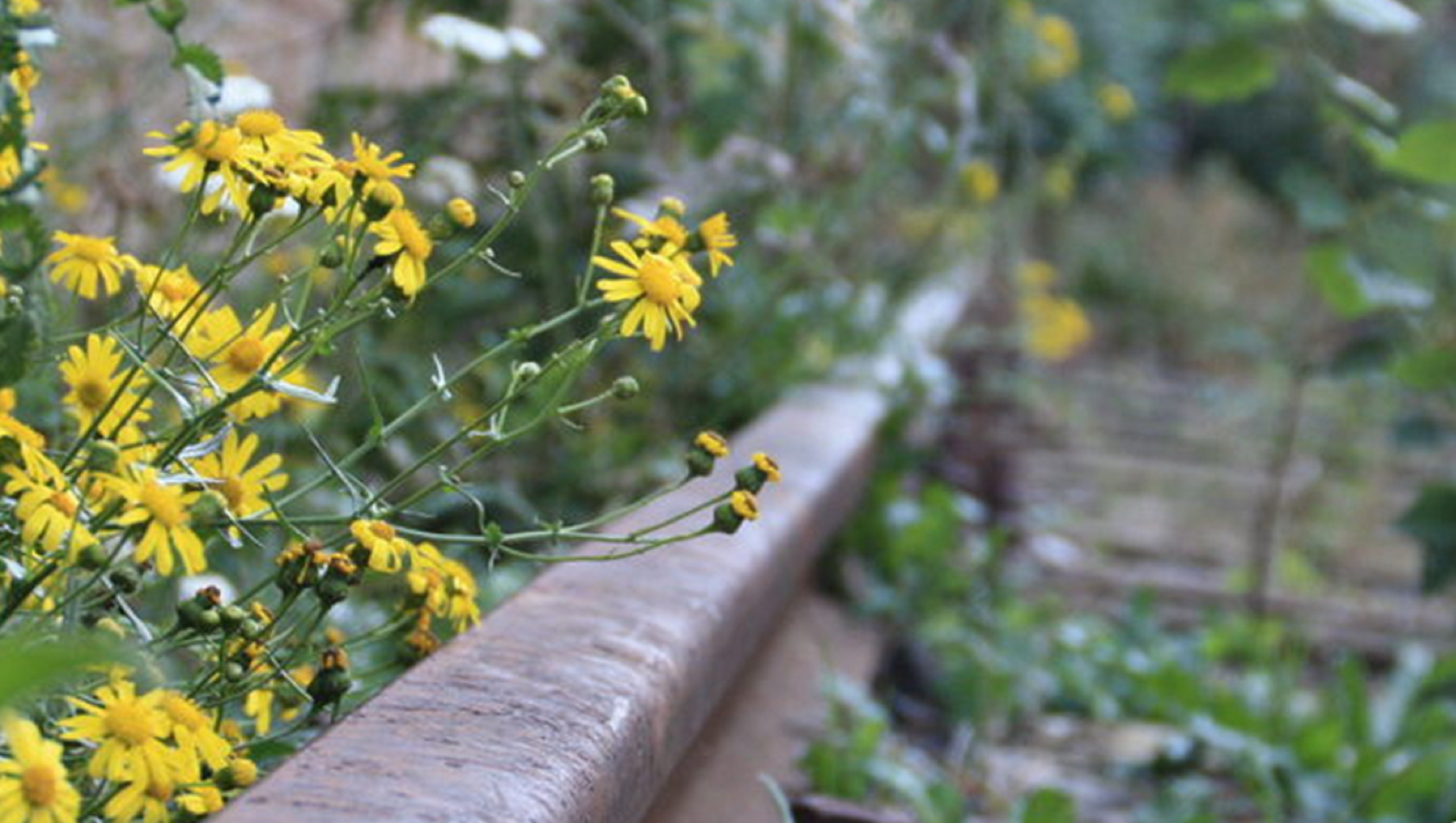
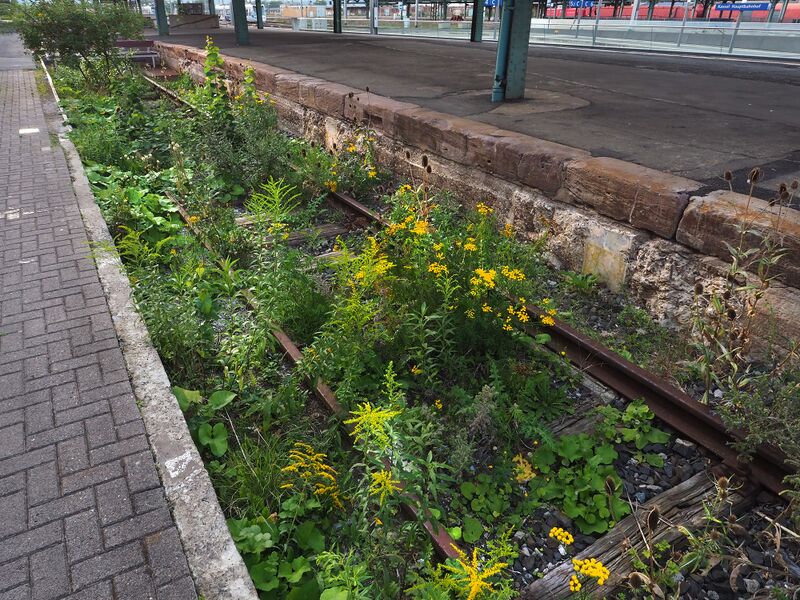
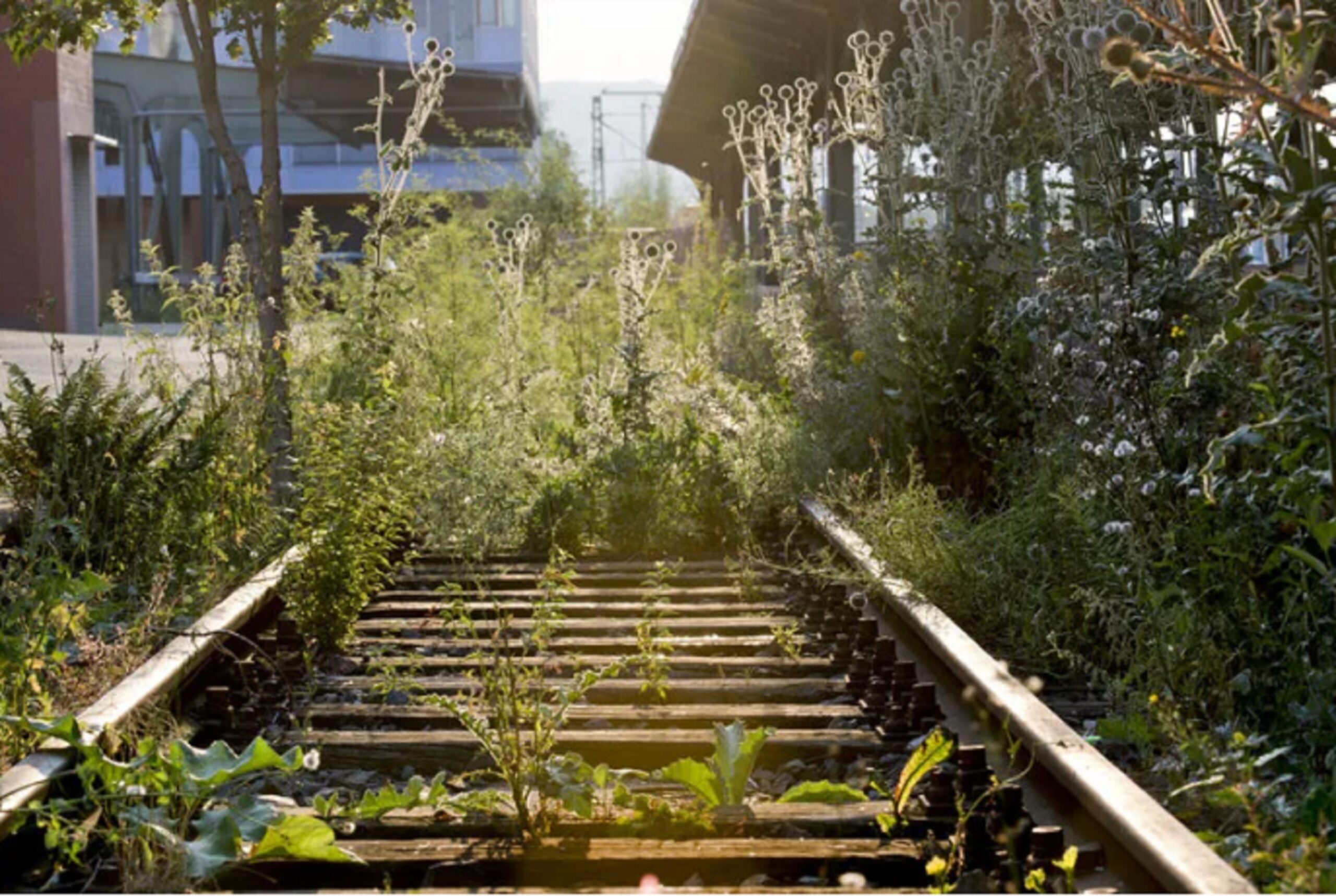
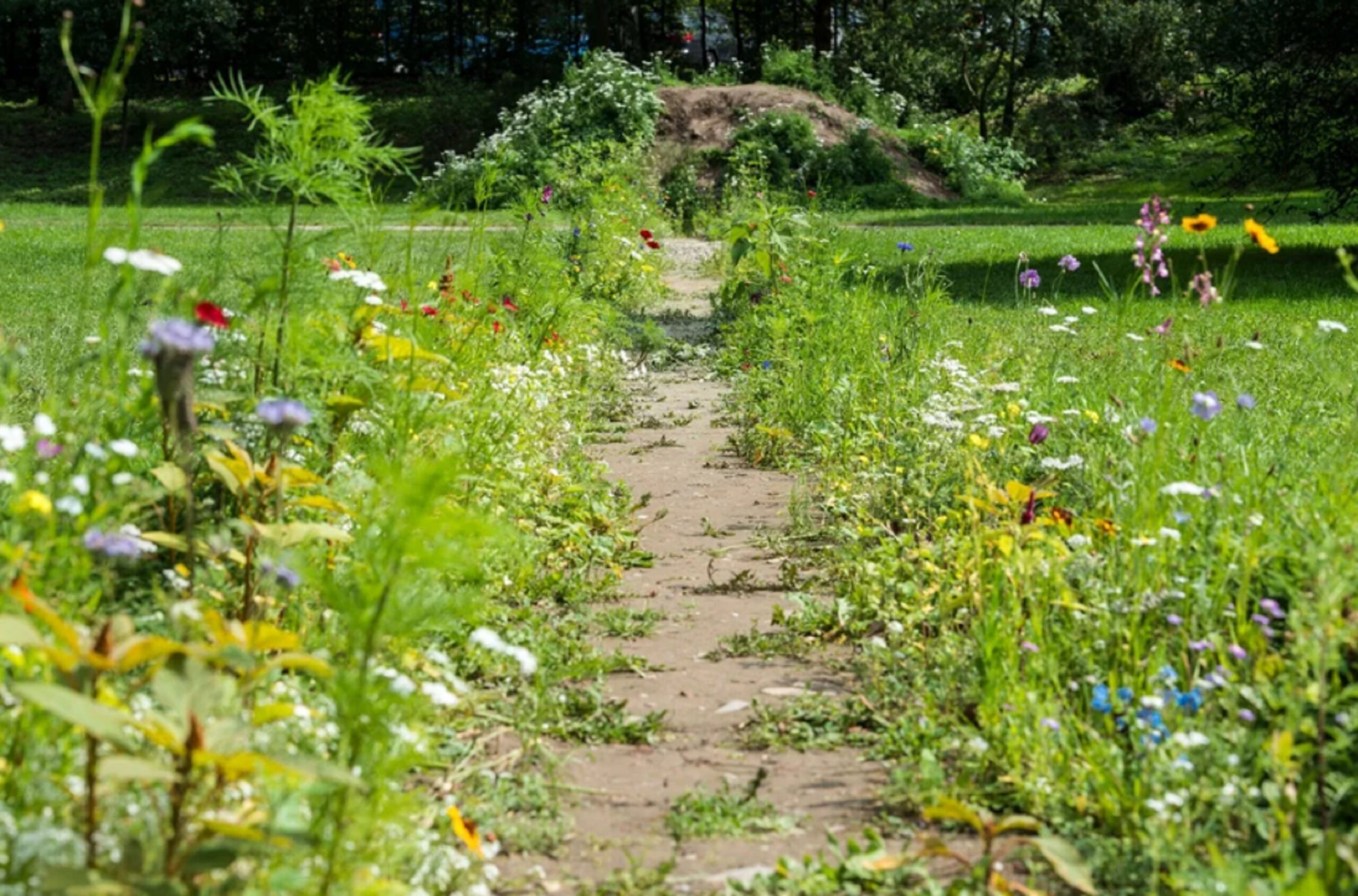
Plants are central to Lois Weinberger’s discourse on the relationship between nature and society. His radical poetics of the “ruderal”—literally, the growth of plants on waste ground—counters the anthropocentric ideal of “primary nature,” acting, as he puts it, “against the aesthetics of the Pure and the True, against the ordering forces.” The drifts of wild vegetation that flourish on postindustrial wastelands and at the urban periphery are materially speaking untamed and therefore more “natural” than society’s tightly controlled zones of contemporary “wilderness.” Ruderals are the ever-present underclass of the plant world, the “multitude” ready to break through the city’s surface at any opportunity, cracking the veneer of human order and stability.

With “precise indifference,” Weinberger (born in 1947 in Stams, Austria) creates situations in which these botanic insurgents are left to enact their inexorable cycle of growth and decay, heedless of human society—a “PLACE / WHERE THE LIVING REVEALS ITSELF ABOVE THE ORDERLY” in a continual process of transformation. Twenty years on from his ruderal interventions in the Kulturbahnhof for documenta 10 (which still thrive today, amidst the disused railway tracks of Old Europe), Weinberger’s new outdoor work for Kassel is entitled Ruderal Society. Describing the project as an archaeological process, the artist has excavated a “cut” through the park beside the Orangerie and then abandoned it to whatever will emerge. At the end of this “gap within urban space,” the action of digging has created a small hill. Over time, the soil exposed will become populated by “spontaneous vegetation,” propagated by the wind, insects, and birds.

—Tom Trevor
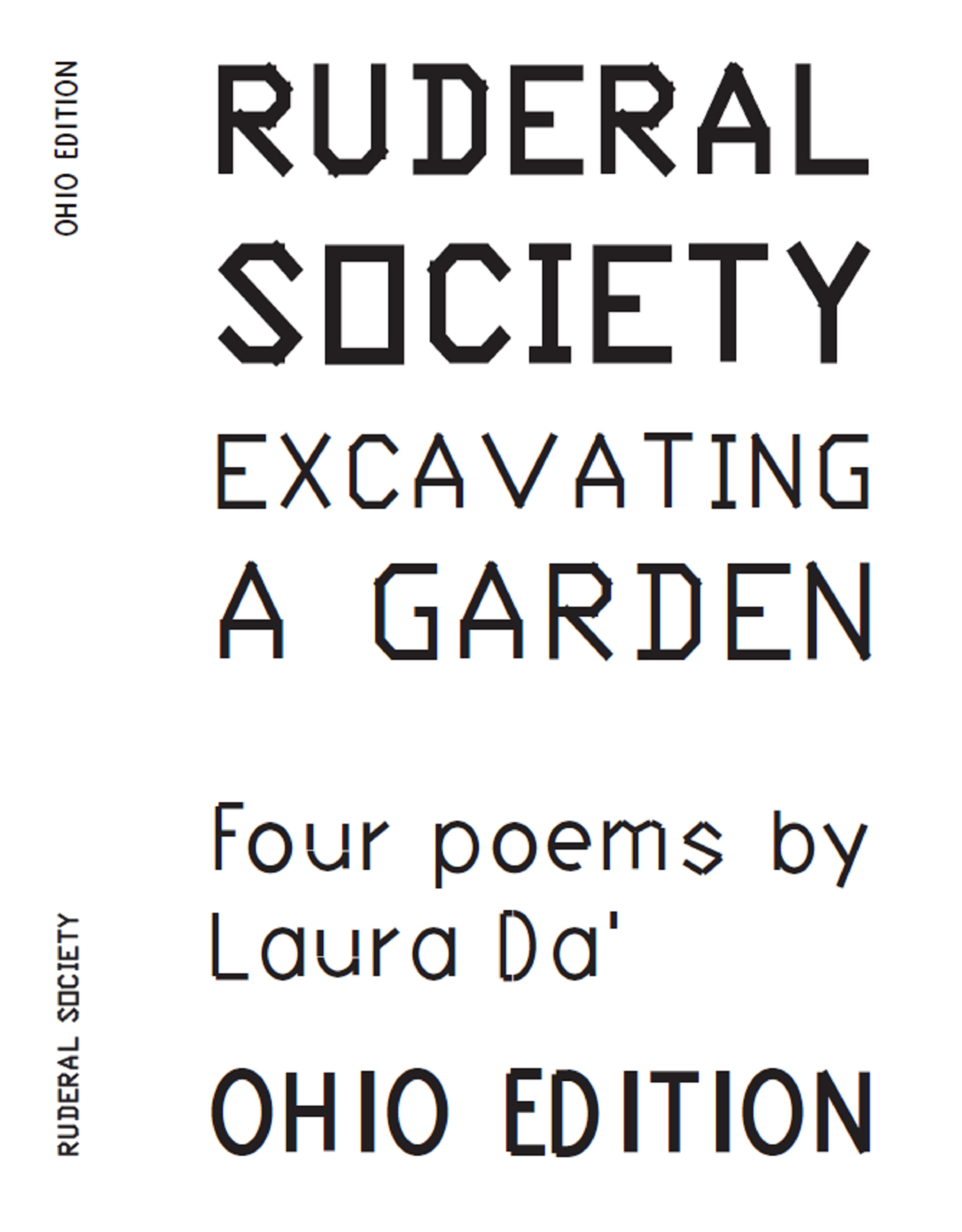
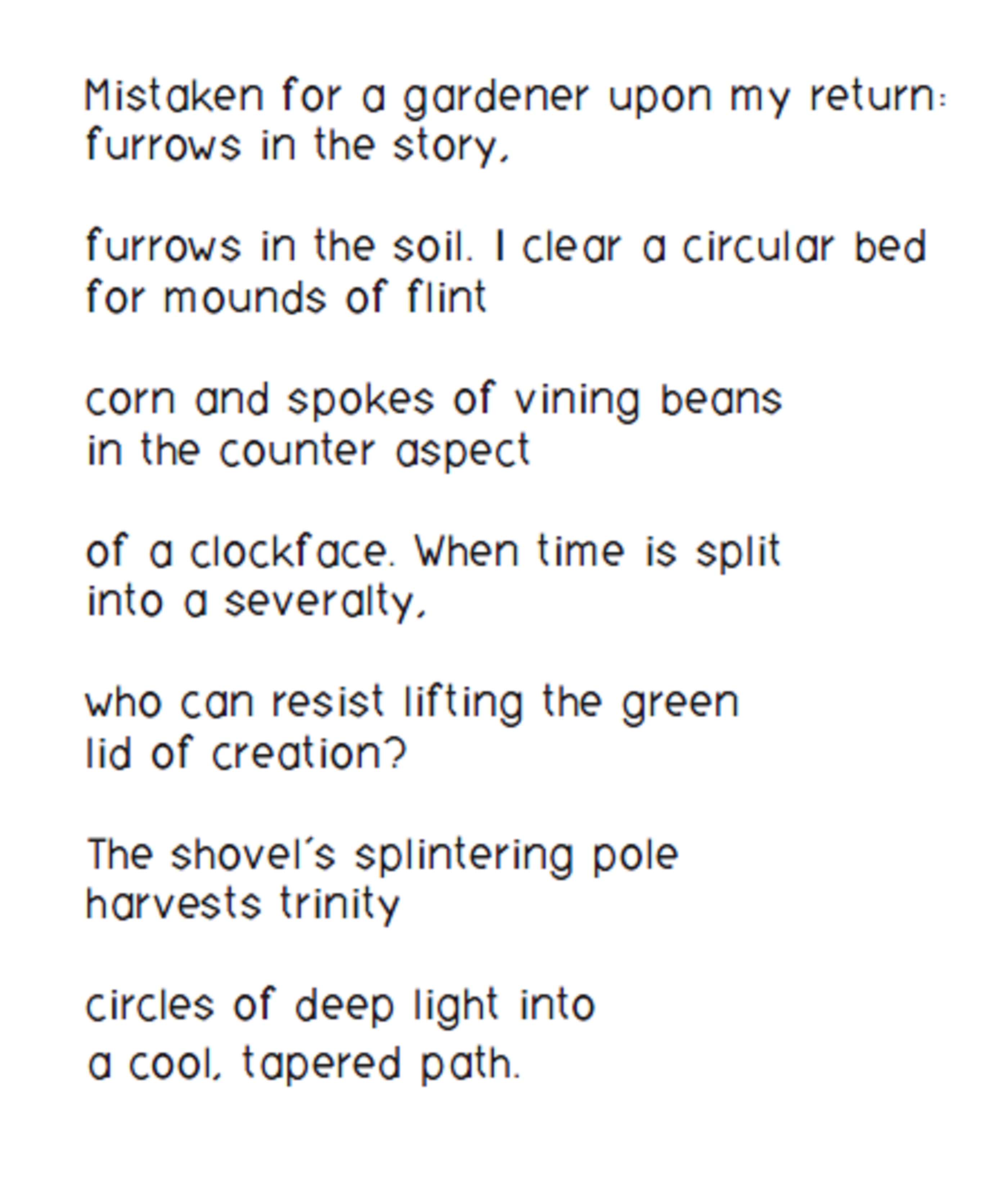
Poem by Laura Da’ from her collection Severalty (2025, University of Arizona Press) in the book Ruderal Society: Excavating a Garden. Four Poems by Laura Da’. Ohio Version (2025), designed by VIER5, and published on occasion of the exhibition Why Lazarus at the Urban Arts Space, Lazarus Building, Columbus, Ohio, organized by Richard Finlay Fletcher, Laura Da’, Marti Chaatsmith and Elissa Washuta.
Leave a Reply

Your email address will not be published. Required fields are marked *

This site uses Akismet to reduce spam. Learn how your comment data is processed.