Around this time in 2017, the documenta 14 website expanded and the weekly posting of Abounaddara films shifted to the section called ‘Notes & Works’
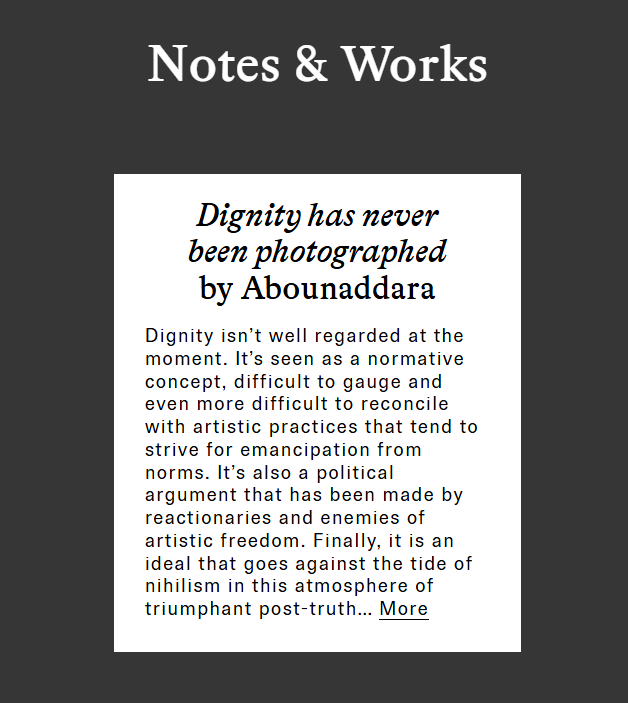
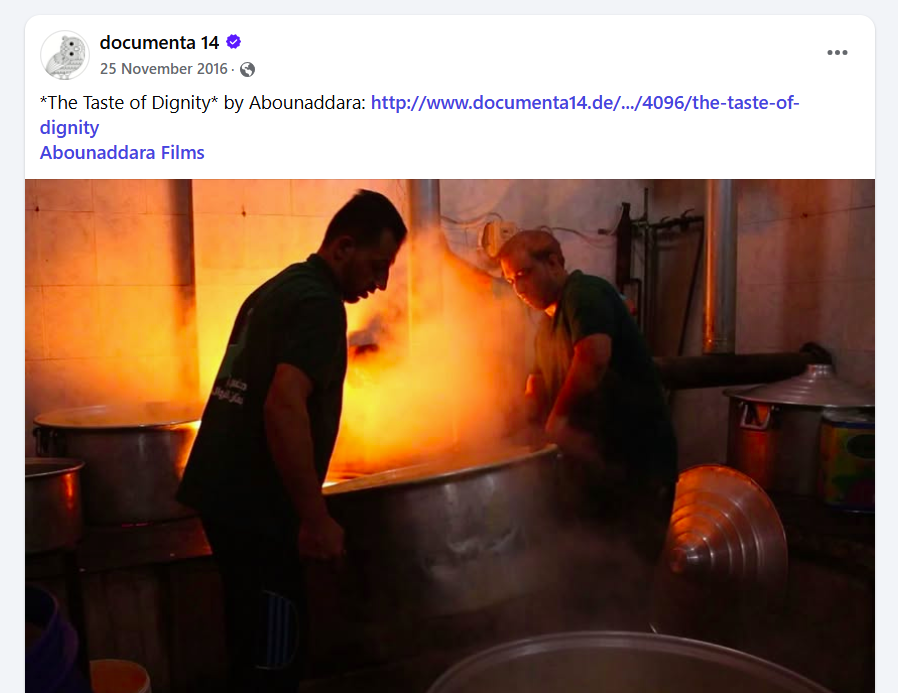
On the documenta 14 Facebook page, the weekly Abounaddara films continued to be posted and the link to them was given as https://www.documenta14.de/en/notes-and-works/4096/ followed by the name of the film. So for this week’s film, released ten years ago, ‘The Taste of Dignity’, it was posted as https://www.documenta14.de/en/notes-and-works/4096/the-taste-of-dignity
But if you click the link, you get directed to another film:
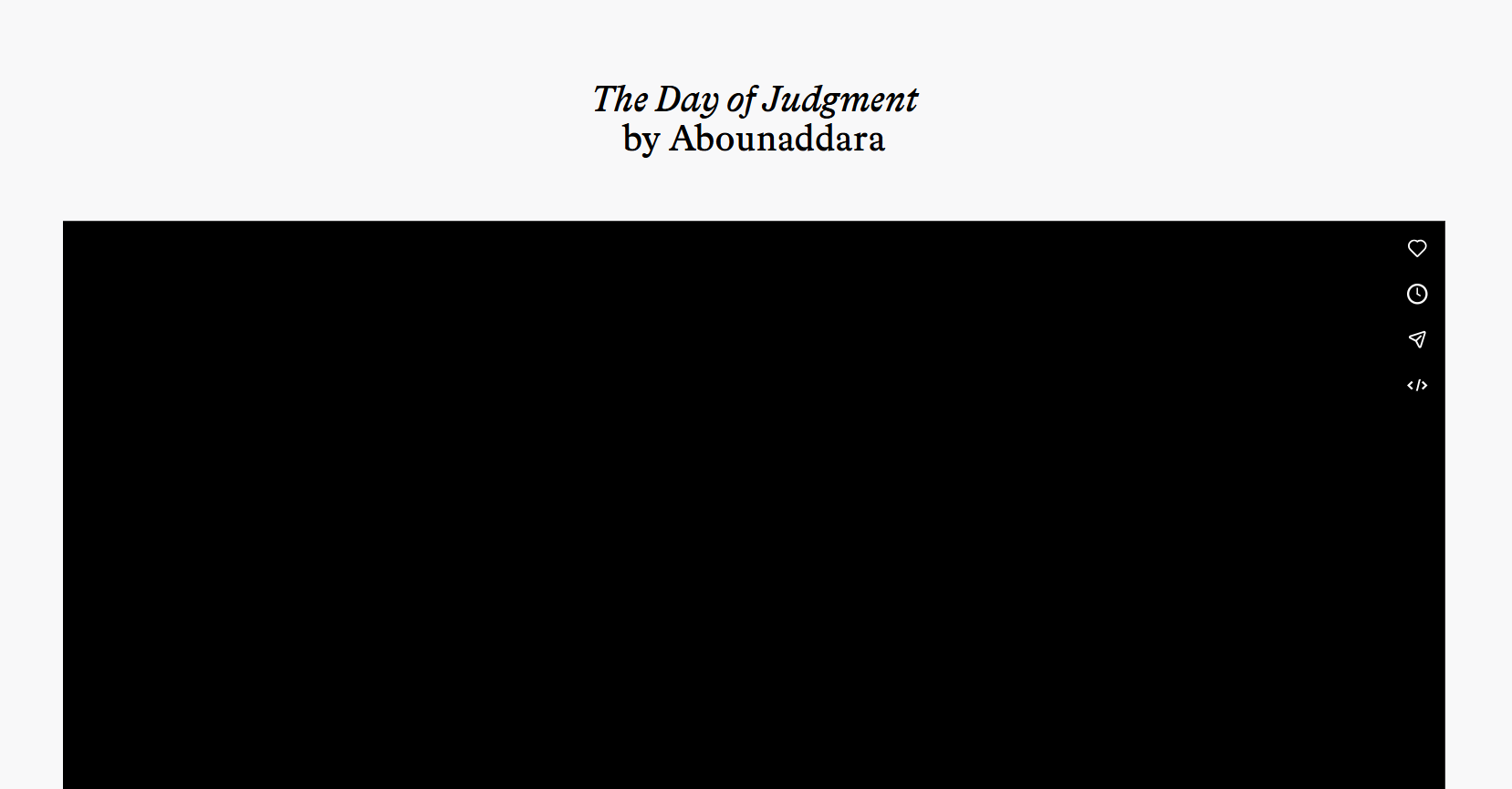
And the following text:
Abounaddara has agreed to share this film with documenta 14; it is one of over 300 films produced on a weekly basis by an anonymous collective of Syrian filmmakers. By sharing these films on our website since November 27, 2015, Abounaddara aims to build alliances for the collective’s call for a change in the standards of representation: the right for each individual to a dignified image. To view the entire archive of weekly films produced by Abounaddara since 2010, and published online for free viewing by the public, please visit their Facebook or Vimeo pages.
This statement and the film ‘The Day of Judgment’ was “Posted in Works on 05.02.2017″.
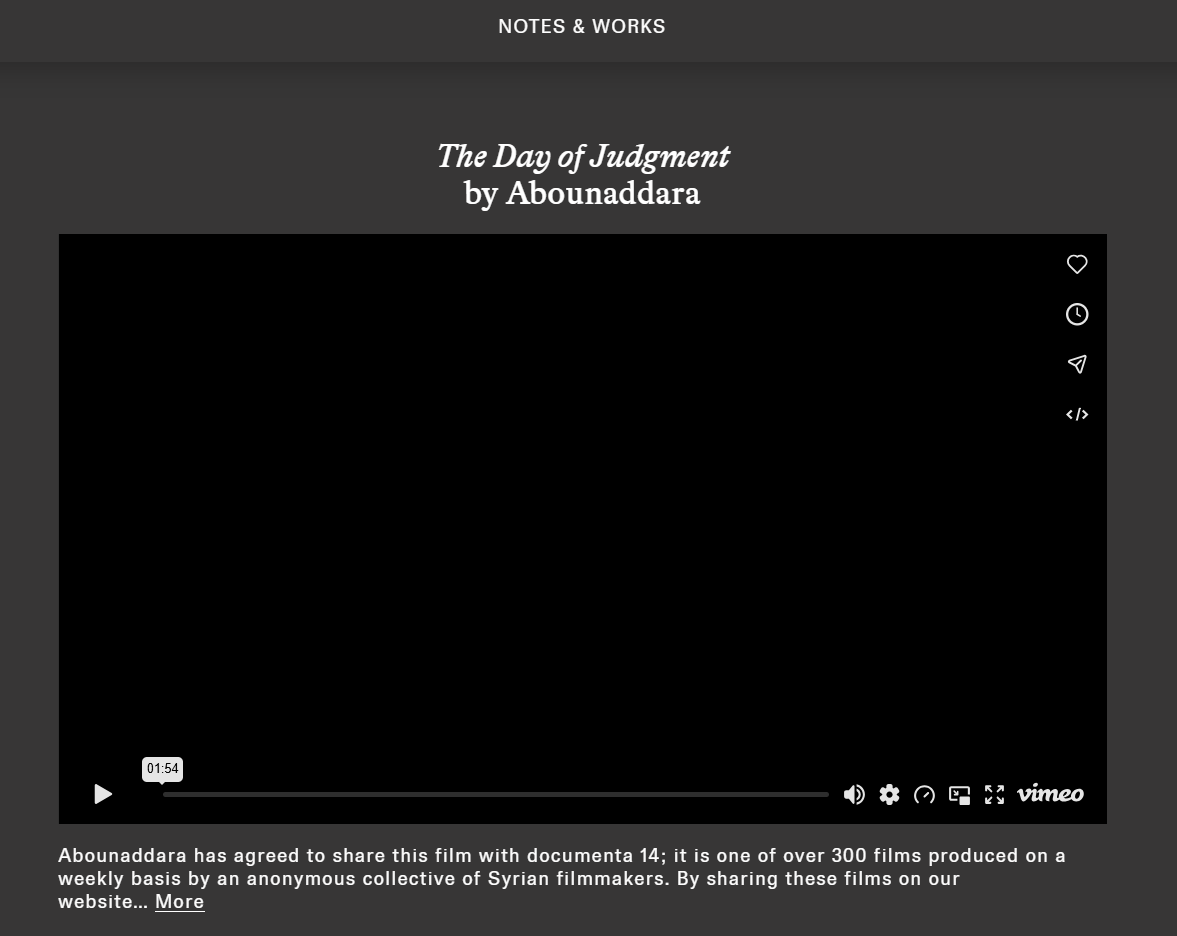
Furthermore, this website is not archived on the Wayback Machine (Internet Archive), which has been my way of bringing the original posts from the documenta 14 website to the posts ten years later, via screengrabs.
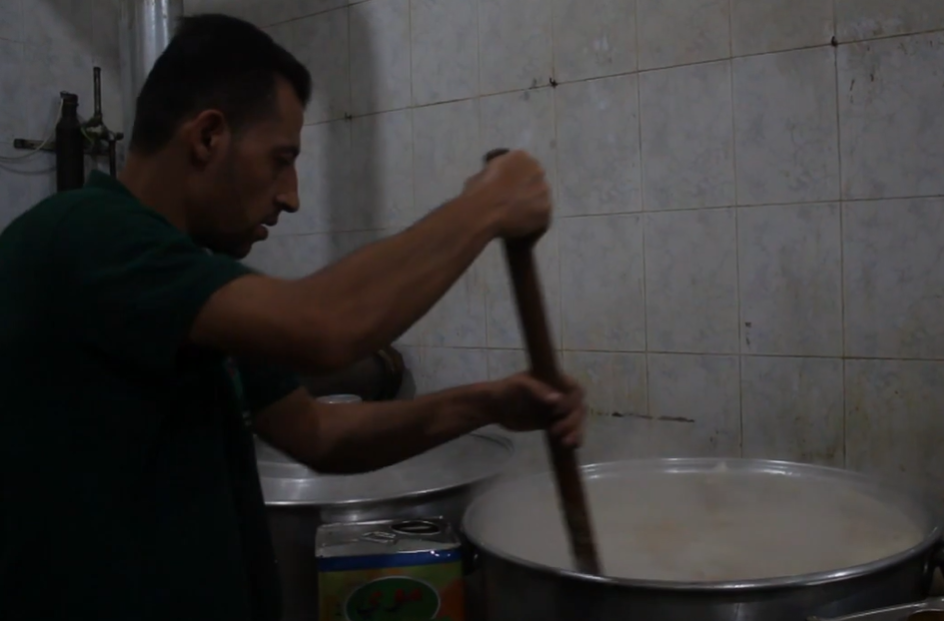
What this means is that this series of posts that I have been making for the whole of 2016, which repost the weekly Abounaddara films, can from now on only include the documenta 14 Facebook posts and not the screengrabs from the documenta 14 website.
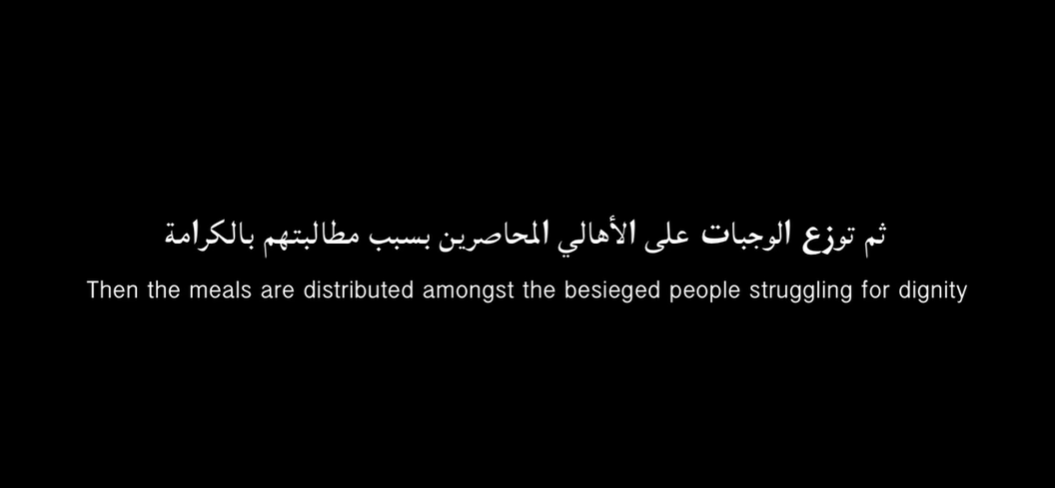
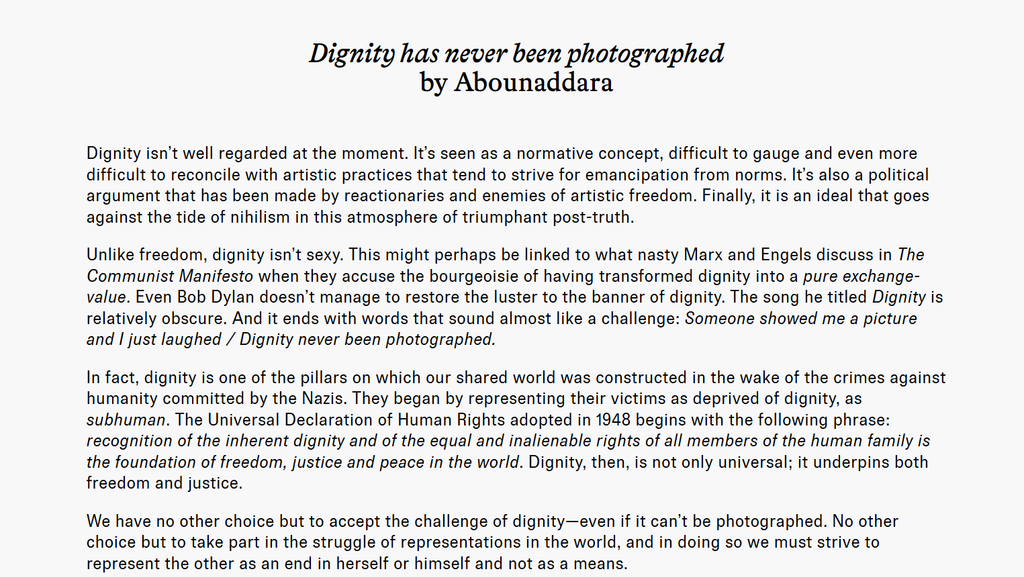
While this may seem like a minor thing, the shift in the documenta 14 website, expanding it to more sections and the placing of the Abounaddara films to the ‘Notes & Works’ section, is a sign that the exhibition is coming closer and, as a result, becoming more complex an entity in the public realm. Soon it will become impossible to keep track of all the aspects of documenta 14 that happened to commemorate them in the way I have been doing here – as well as in the whole ‘A Curriculum of Imposters’ project. As we get closer to the ten year anniversary of the exhibition that opened in Athens in April 2017, I will have to be selective in what I focus on and that will depend – as these posts on Abounaddara in this year of the 250 anniversary of the American Revolution – on what happens in real time in 2027. I write all this as a note to myself – and to the Abounaddara filmmakers – that the significance of 2016/2026 in which these powerful weekly films were centered by documenta 14 and by me in commemoration in a way that cannot be possible moving forwards. What shifts, what drifts, what remains of the minor act of posting the films as they were released, now flows into broader streams of the exhibition and its commemoration. In short, this moment of transition is significant for taking stock of what has been in the way it has been, less as historical fact, but a lived experience. For Syrians, in the aftermath of the civil war, and for the filmmakers of Abounaddara who lived through and witnessed the war, the nature of this lived experience is deeply significant beyond of historical revisionism. The question, therefore, remains: what does the right to the dignified image look like in these shifting contexts? What did it look like during the war in 2016? And what has changed and remained the same today in the war’s aftermath in 2026? And how can a short film called a ‘A Taste of Dignity’ pave the way for the later statement by Abounaddara called ‘Dignity Has Never Been Photographed’, posted on March 23, 2017, a statement that I will not commemorate on its ten year anniversary next year, but do so, preemptively here? (Click below to read).