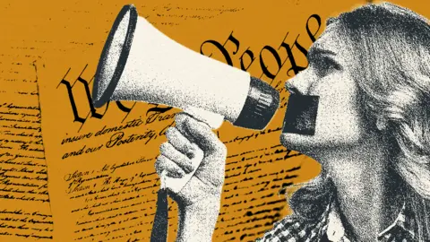
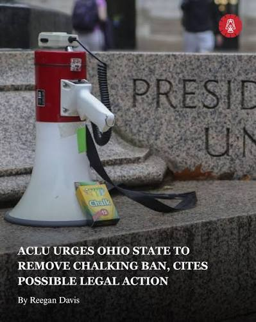
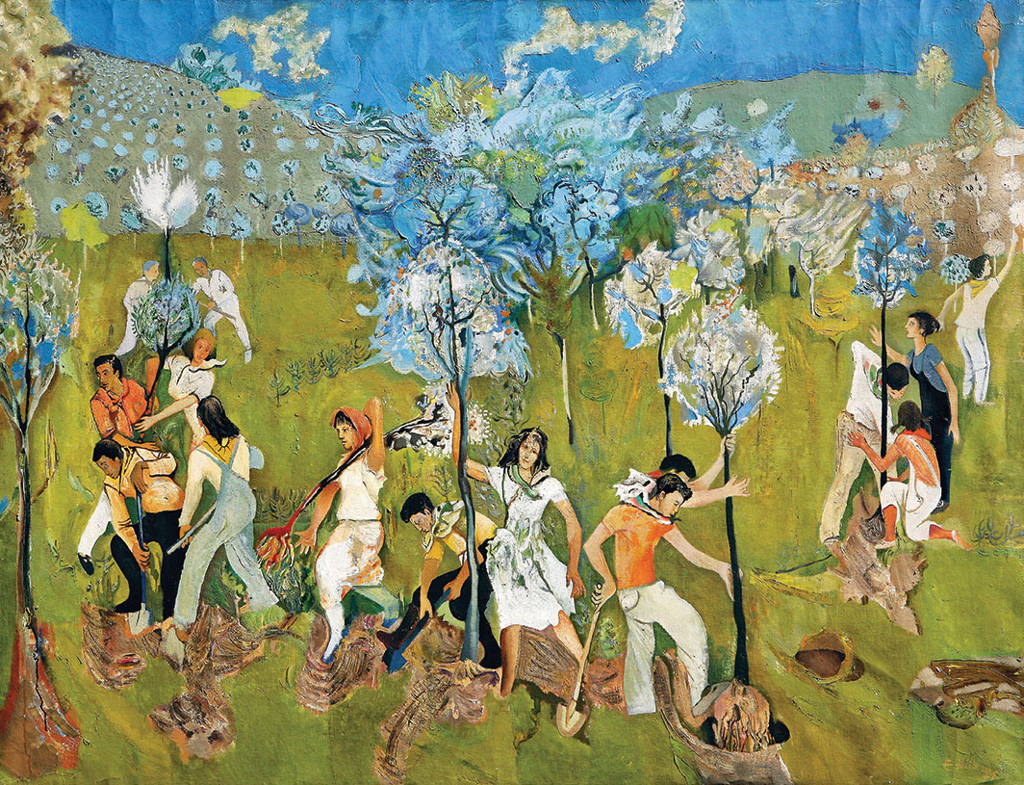
In this third episode of Radio Show Me What Democracy Looks Like, we focus on representations of freedom of expression in the visual culture of democracy, Edi Hila’s 1972 painting Planting of Trees and building communities of freedom.
Freedom of Expression in democratic visual culture

Edi Hila Planting of Trees (1972)
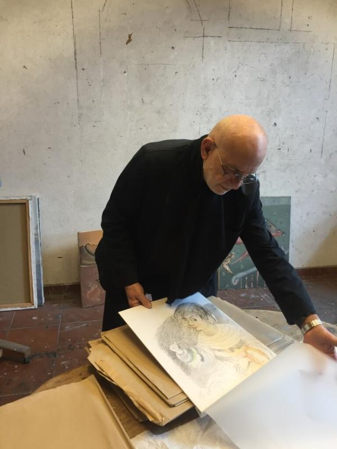
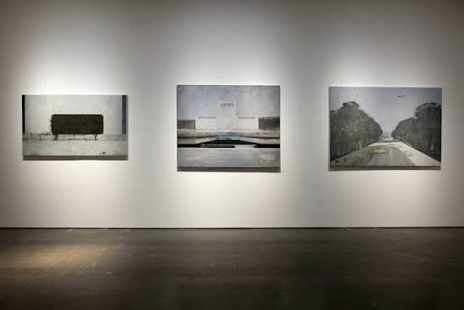
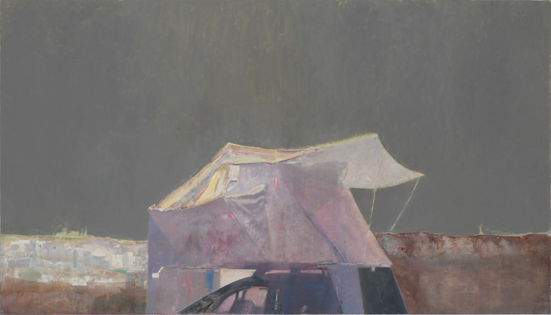
Hila’s Studio and the National Museum of Fine Arts, Tirana in Exergue on documenta 14
Musical Outro: Toby Keith ‘Courtesy Of The Red, White And Blue (The Angry American)’ (2002)
A Footnote on Building Communities of Freedom
It was the climate of anti-fascist resistance, of the struggle for freedom, the struggle for a democratic constitution. And I must say that I was absolutely imbued, completely taken by this passion for freedom, a passion that was precisely called light, right for everyone, the ability to develop, the ability to build with others a community of meaning and a happy society, in a way. Even if, right away, the limits appeared, they came from the right and the left. On the right, I began to hear the discourse that freedom and equality were different things. Freedom was on the right and it was a fundamental principle that equality was on the left. For me, animated by a spirit of light, a spirit of clearing, for me it was absolutely absurd to find that equality was something that walked with freedom. Freedom was something that walked with the recognition of the other as free. I could not imagine that between me and the others, there was a difference of degrees in the exercise of freedom. And the problem of equality was precisely that. And on the other hand, we had conceptions that told us, a bit like in the church, that it was only if we got together, if we did mass, we could understand what freedom was. Only if we had the ability to articulate our discourse on freedom with that of the others, through a control, a control of the party, a control of a revolutionary force that was able to affirm freedom. And even that was something that resonated, precisely something just, indeterminate. Where we tried to express our freedom as a free choice, as something that had to build community. We did not want to find it. We had already determined it. And that’s why we started to think more and more that this freedom, as we had learned it, in which we were born, in which it had produced, I don’t know, something as important as the Italian constitution, founded on labor. And at a certain point we realized that all that was abstract words, that it was an affirmation of freedom that did not have an experience of freedom in it, that did not allow to build freedom.
- Antonio Negri
Radio Show Me What Democracy Looks Like is a weekly minus plato? radio show inspired by 34 Exercises of Freedom at documenta 14, held in Athens, Greece in September 2016.
The show has been created for the online class Art Education 2600: Visual Culture: Representation and Society that I’m currently teaching at This Ohio State University.
It could also be called 14 New Exercises of Freedom, Ohio, made during the frenzy of the Midterm election season in an increasingly less free and democratic society in this, the 250 anniversary of the United States of America as an independent, settler colony.