[This post comprises the audio and transcript – with supplements – of the talk I gave in the morining of Saturday March 7, 2026 at the National Association of Art Education Annual National Convention in Chicago, during the Art Education Journal Special Issue Panel ‘Critical Peace Art Education for Social Justice’, with Michelle Bae-Dimitriadis, Mira Kallio-Tavin, Olga Ivashkevich, and Oscar Keyes. My thanks to my fellow panelists as well as audience members.]
I’ll introduce myself in a second, but I just want to say that I’m recording what I’m saying now mainly because I don’t have anything to read, and also I want to make sure that what I say moves beyond Chicago, which is the home of the Council of Three Fires, the Odawa, Ojibwe, and Potawatomi, as well as other nations, and reaches the people that this talk is for, specifically:
Dina, Mohammed, and their children
Saja and her children
Shayma, Nida, Sahar, and Emily
Sahar, Yoosef and Pedram
Nazanin
So I hope to be able to share this with them.
My name is Richard Finlay-Fletcher. I’m a first-time NAEA attendee, but I’m also an Associate Professor in Art Education at Ohio State. My family comes from Scotland and England, but I’ve lived in Ohio for 20 years. I’m really, really grateful to have this as my kind of entryway into this conference and into the field of art education. I spent 12 years as a Classics professor, and I’ve been unlearning that canon formation ever since, and so this is a very different experience than the Classics conventions I used to go to, which I’m grateful for. The article ‘Bombers Into Butterflies: A Painting Made in Gaza on a Postcard Sent From Gernika’, that I co-wrote with two colleagues at Ohio State University, Dr. Zülâl Fazlıoğlu Akın and Dr. jt Eisenhauer Richardson, stemmed from a sabbatical that I had in Bilbao in the Basque country.
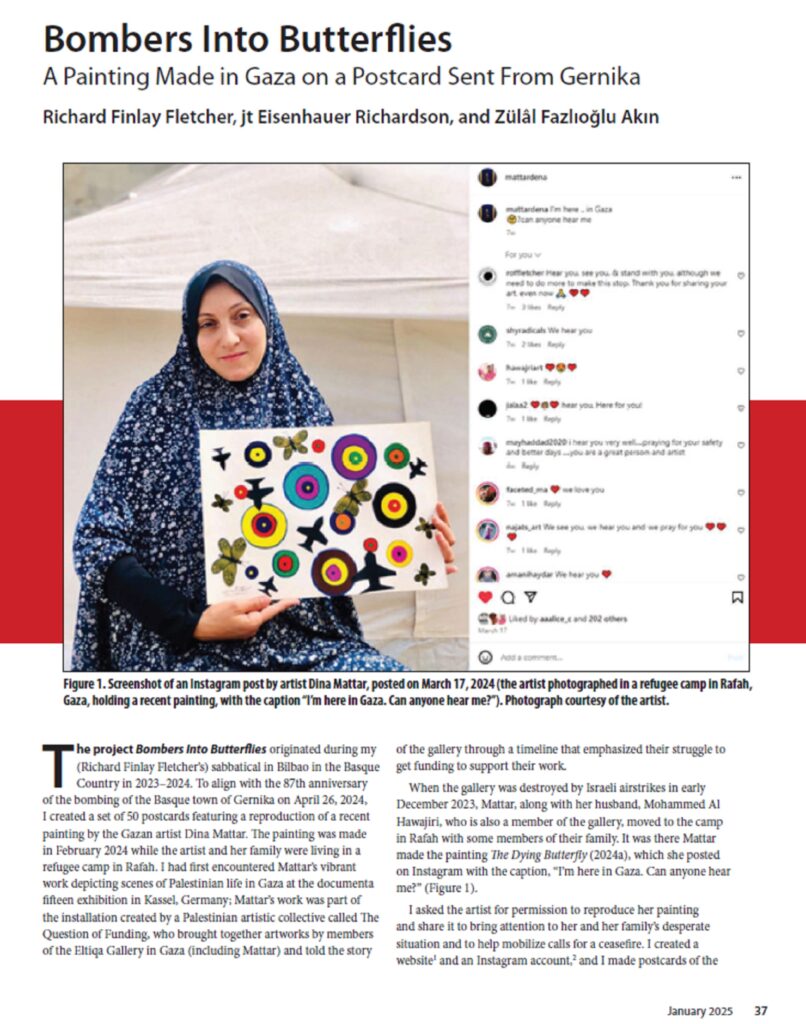
My partner is Basque, my son is Basque, Basque-American. And after October 7th occurred while I was there, I wanted to connect with my colleagues back in Ohio to kind of gather some sense of what is to be done in this moment. But I also, there’s an artist that I’ve been following since I saw her work at Documenta 15 in Kassel, Germany in 2022 called Dina Mattar, and she has beautiful, vibrant, colorful paintings.
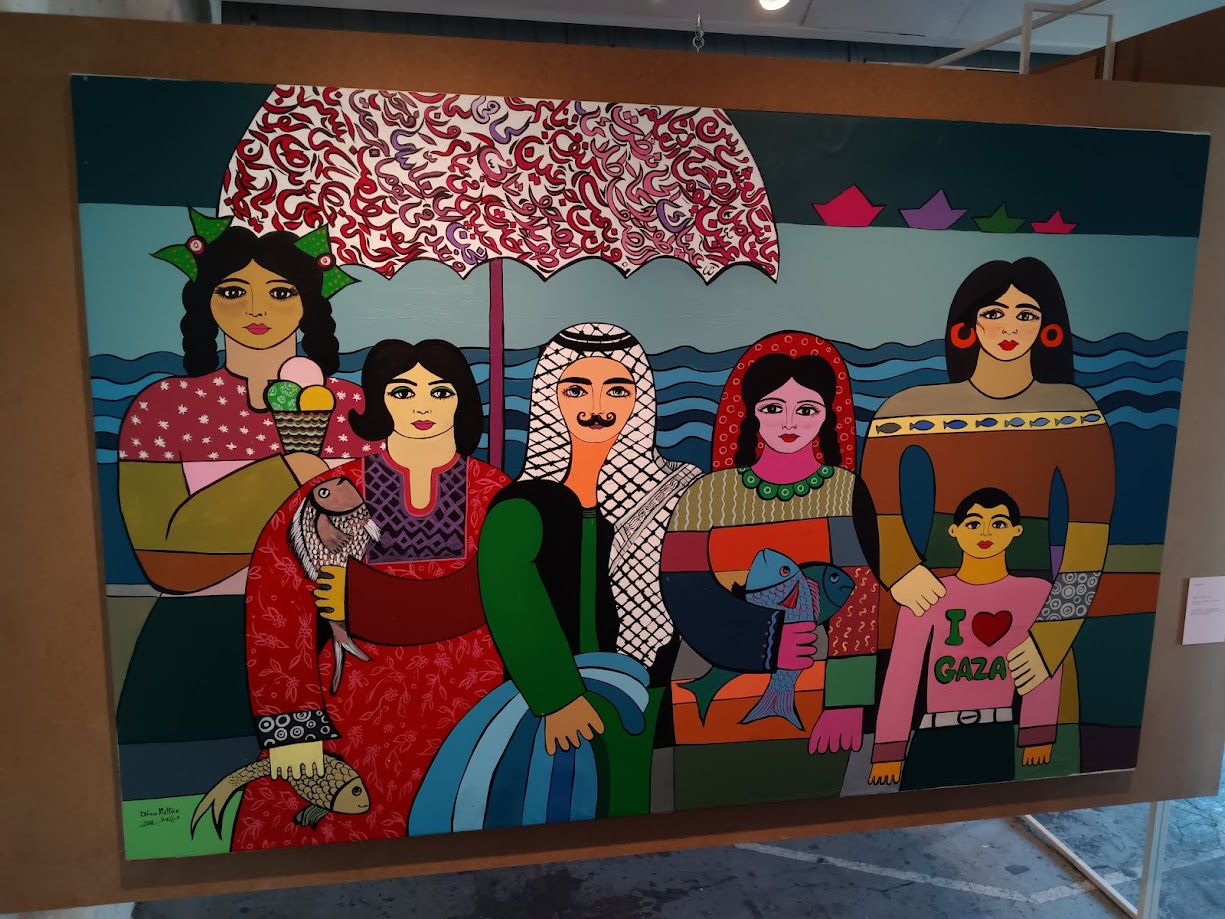
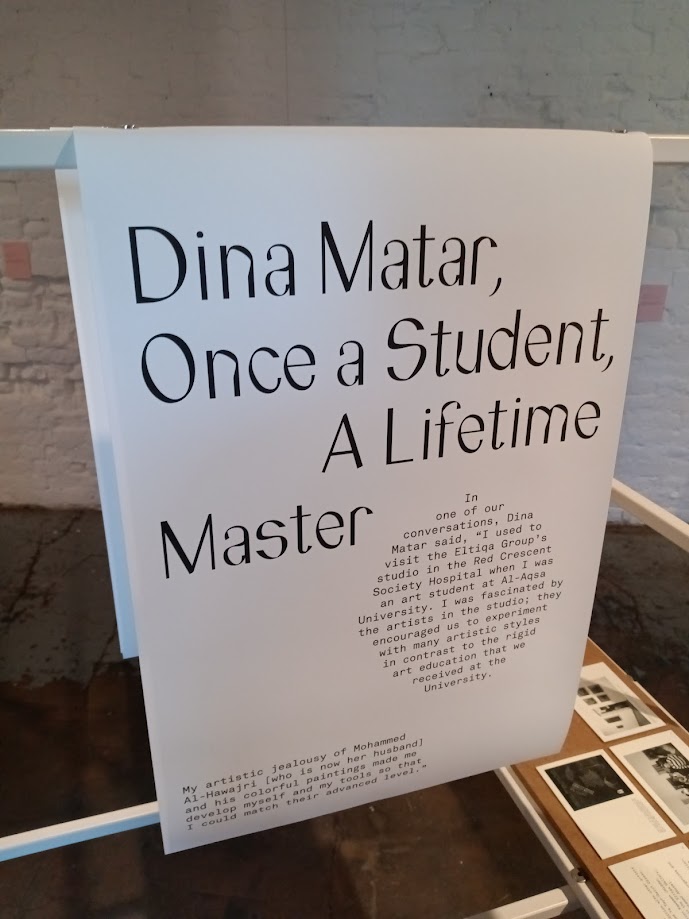
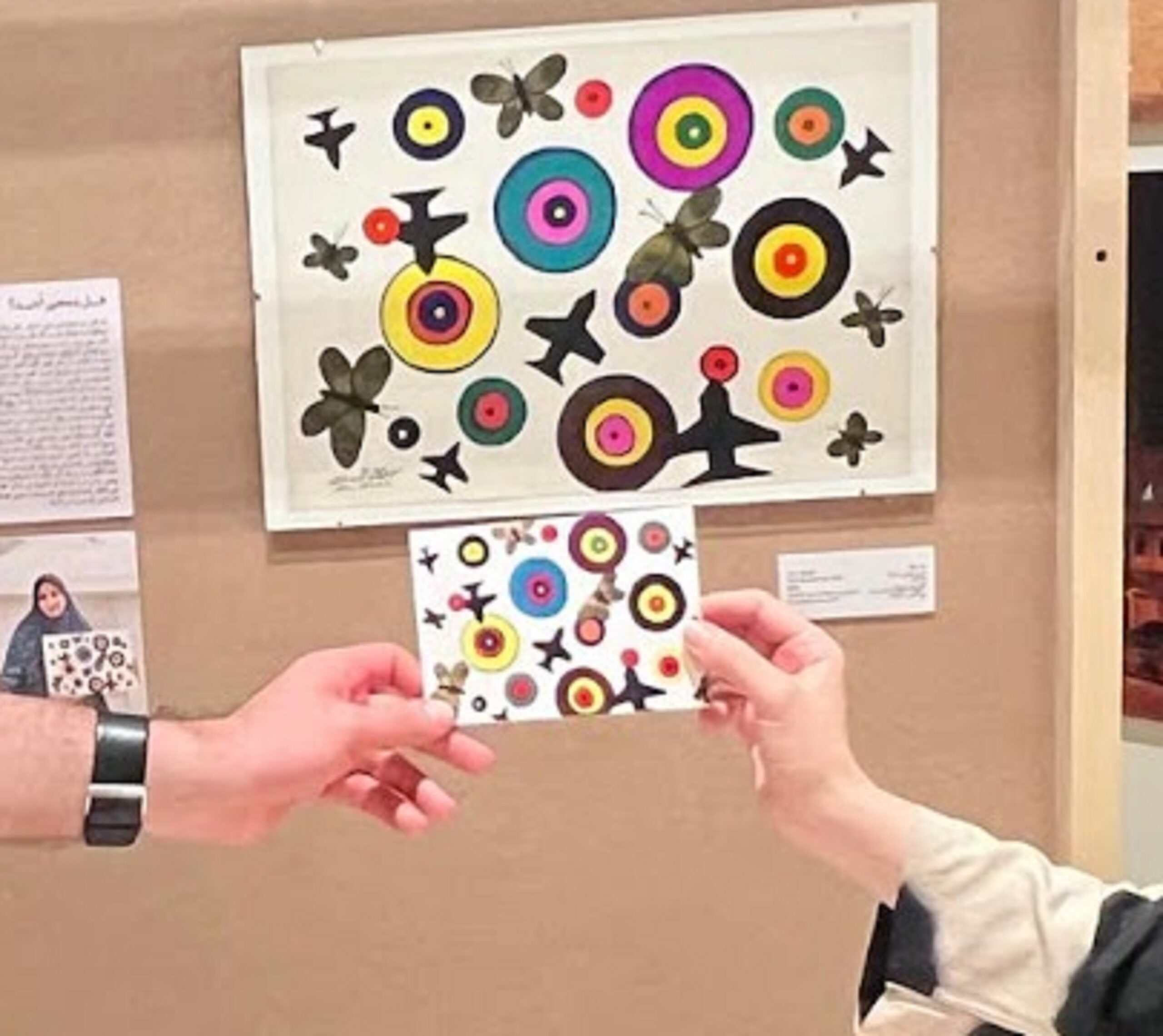
And I saw an Instagram post of her holding a painting in the refugee camp in Rafah in March 2024. Her home had been destroyed at the end of 2023, along with the gallery that represented her and her husband Mohammed al-Hawajri, and that was called the Eltiqa Gallery. And she just asked in the caption, can anybody hear me? And my immediate response was obviously to put something in the comments, and yes, Dina, I hear you. We hear you. But that didn’t feel like enough. So, I made the painting into a postcard that I sent to my colleagues electronically, but also brought to Gernika, the site of the bombing by the Nazis and Franco’s fascist incursion at that time in 1937, made famous by Picasso’s painting Guernica.
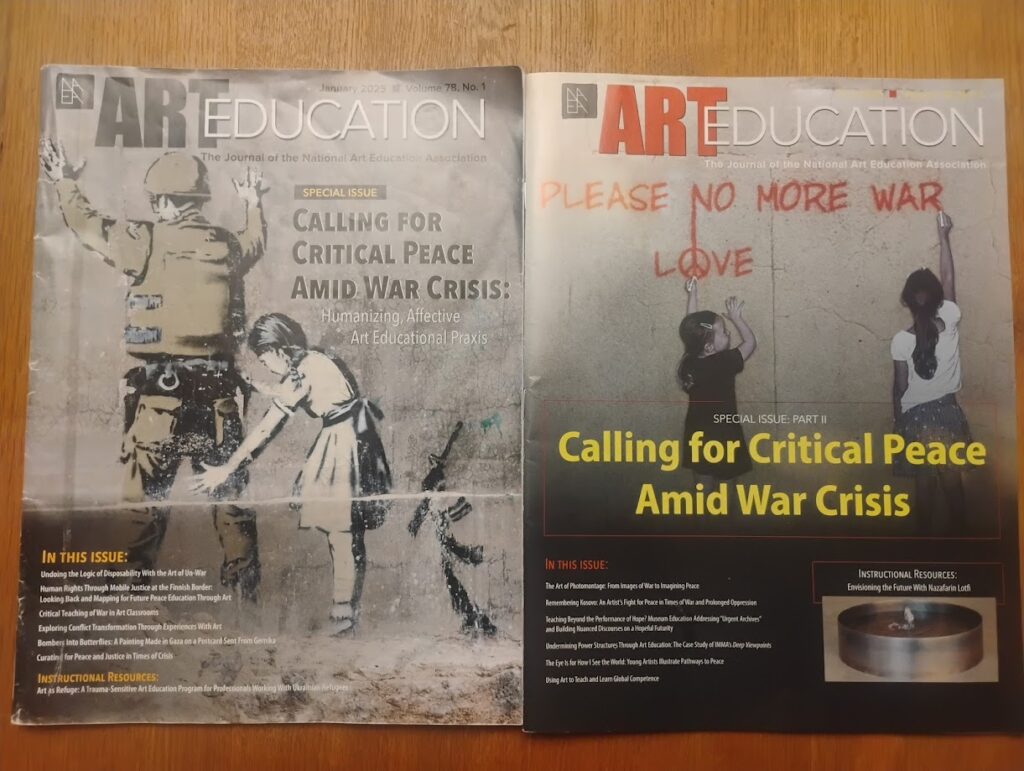
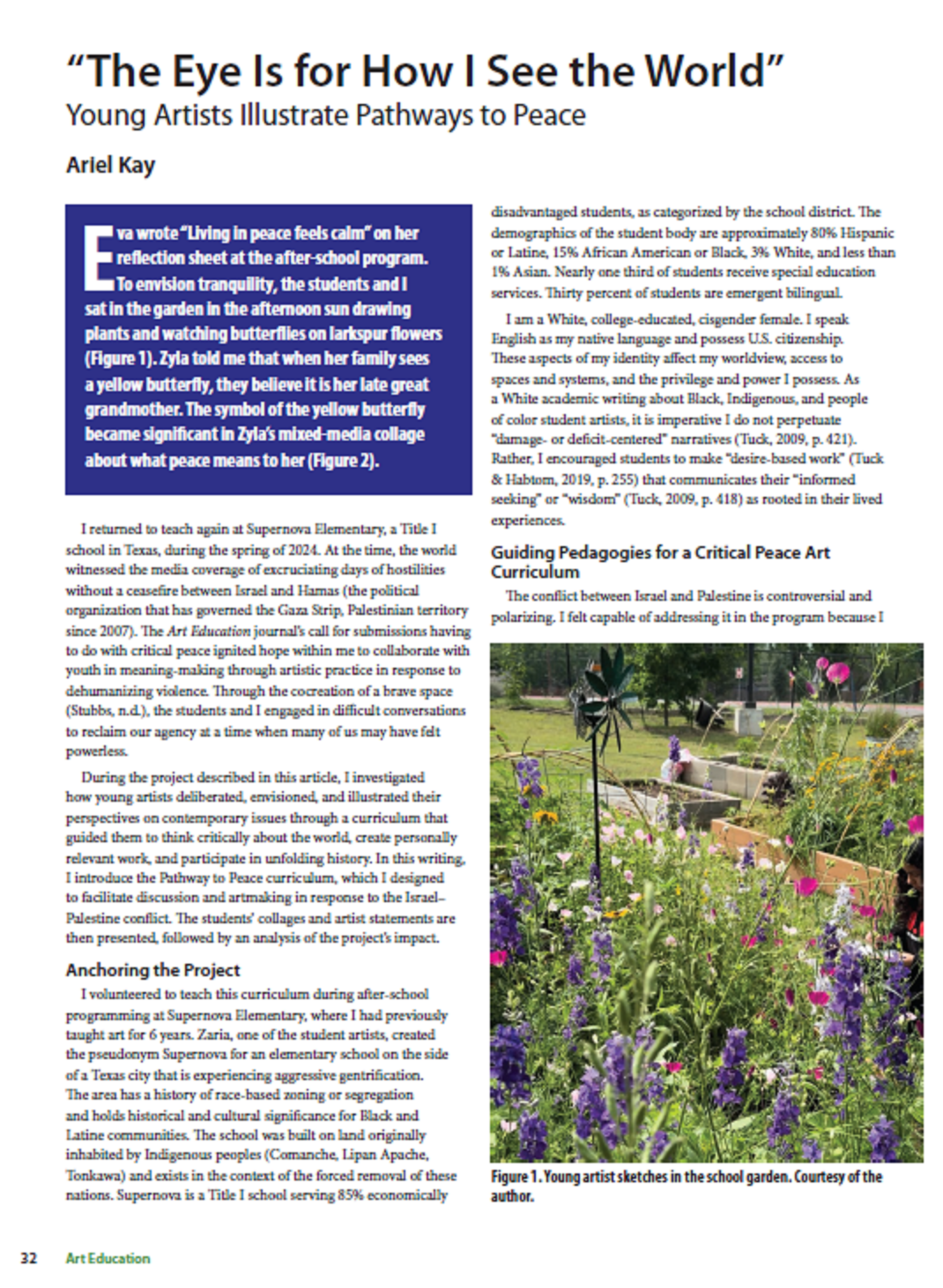
This morning, what I want to talk about is radical empathy. Empathy is something mentioned in these two Art Education Journal issues Calling for Critical Peace Amid War Crisis: Humanizing, Affective Art Educational Praxis that is the focus of this panel, but radical empathy is explicitly referenced by Zulal in her contribution to our article, citing Sherene Seikaly, for whom “insisting on radical empathy” was one of several guiding principles that facilitate the construction of inclusive and safe learning spaces in discussions about Israel and Palestine. (As an aside here, I want to recommend as an act of radical empathy, the article ‘The Eye Is for How I See the World”: Young Artists Illustrate Pathways to Peace’ by Ariel Kay, who attended our panel presentation and which is included in the second themed issue.)
But I want to think about this insistence in a different way today, as a concept and practice that I’ve learned from the Sugpiak/Aluutik artist, Tanya Lukin Linklater. She has a text from 2016 called ‘A Glossary of Insistence’, which is very important to me. And I had the honor of collaborating with Tanya for the whole of 2024, including for a radio show called Radio Insistence, which I reference in the ‘Bombers into Butterflies’ article. From Tanya’s conception, insistence is grounded in iterative, everyday actions, and for Indigenous people, it’s an everyday action of affirmation of who they are. And for those of us who are accomplices and allies, it is trying to put ourselves aside to show those everyday acts.
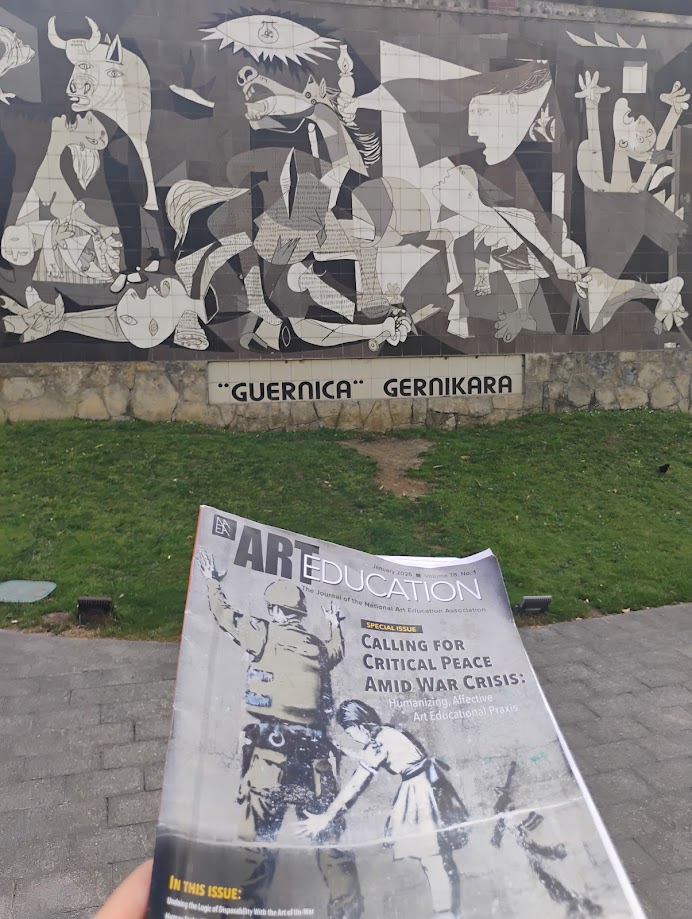
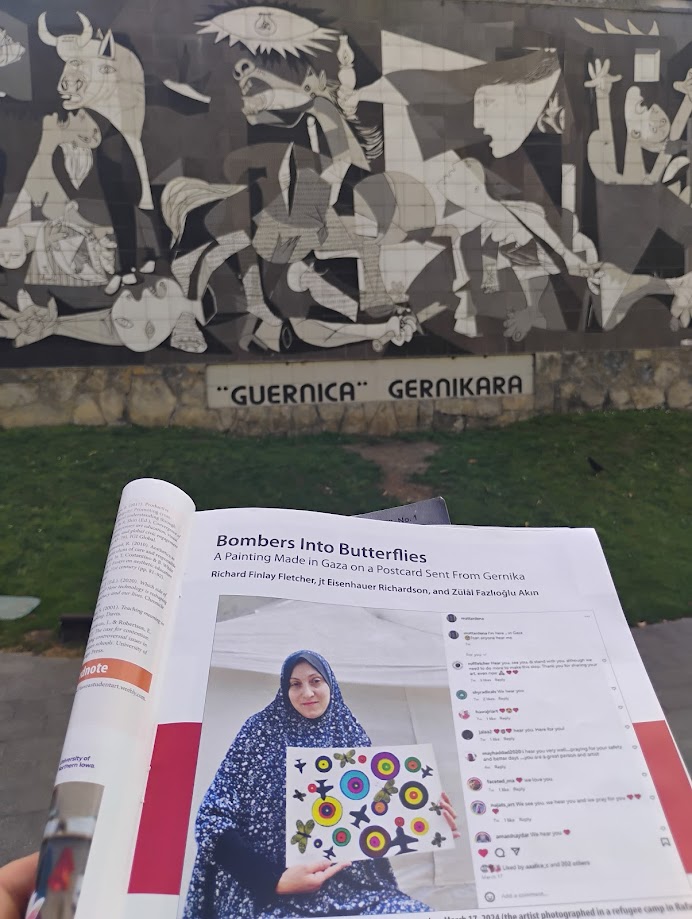
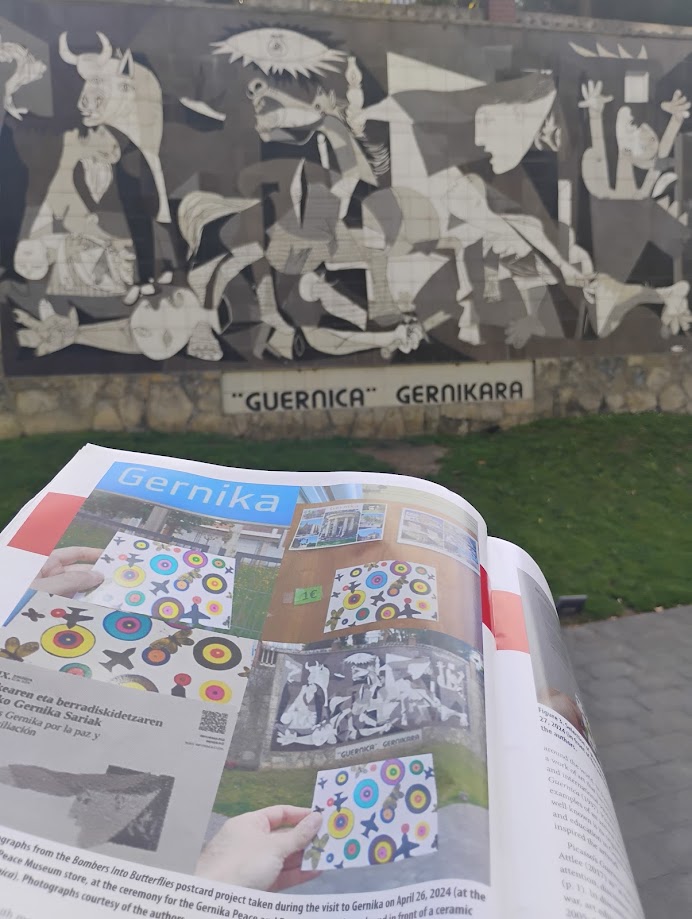
These above photos are from last summer in 2025, where after the article was published, I took it back to Gernika to share it with the reproduction of Picasso’s painting. Many of you would know that the painting is in Madrid, and there is ongoing discussion about why that painting isn’t included in the place in which it is about. Remember, this painting traveled the world as an icon of peace, education. So I brought back the article there, but more importantly, earlier in the spring, I managed to bring the article to Dina Mattar and to share it with her.
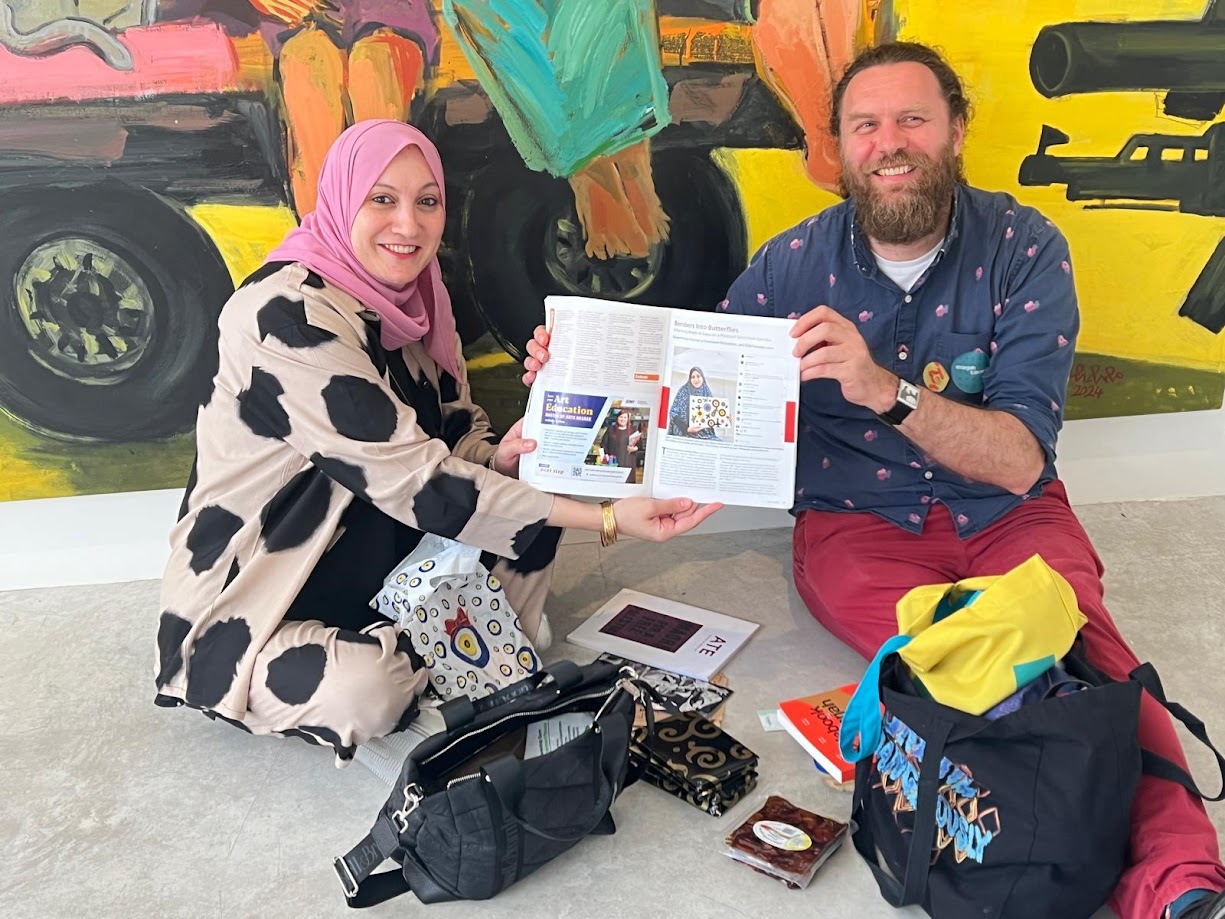
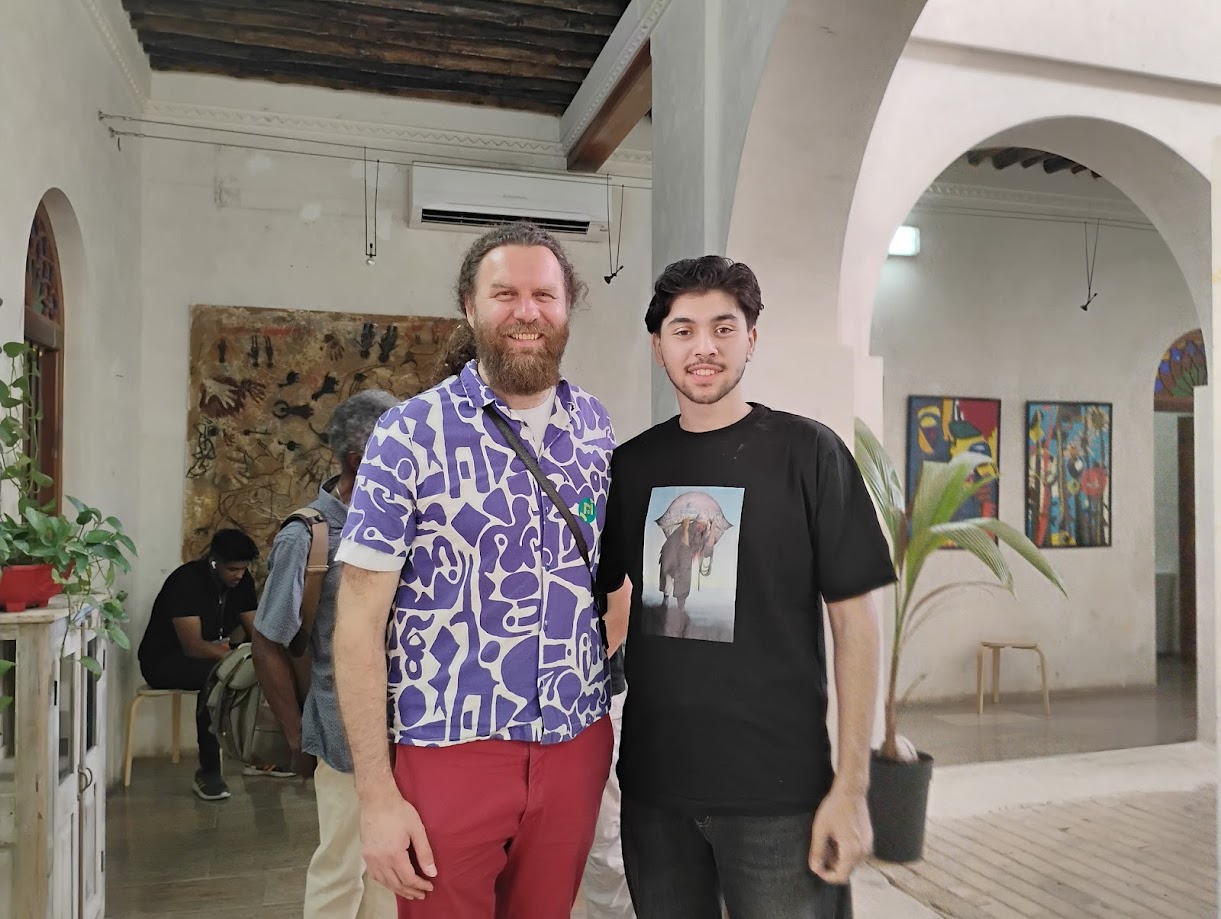
She was taking part in the Sharjah Biennial in the United Arab Emirates, which is where her and her family relocated after the destruction of their home in Gaza. And so it was very important to me that I went to share the article with her to thank her for the trust that she had in letting me use her painting to do this project. So this is us in her installation for the biennial, whiche she made with her husband and children.
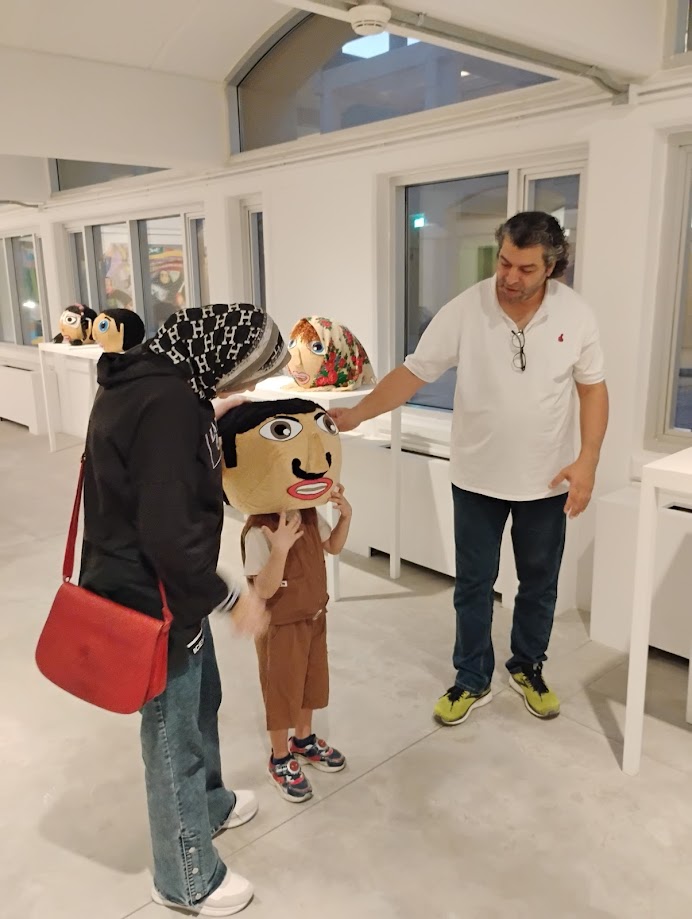
This is her husband Mohammed, standing before one of his works that I also saw at documenta fifteen in 2022, part of his Guernica-Gaza series.
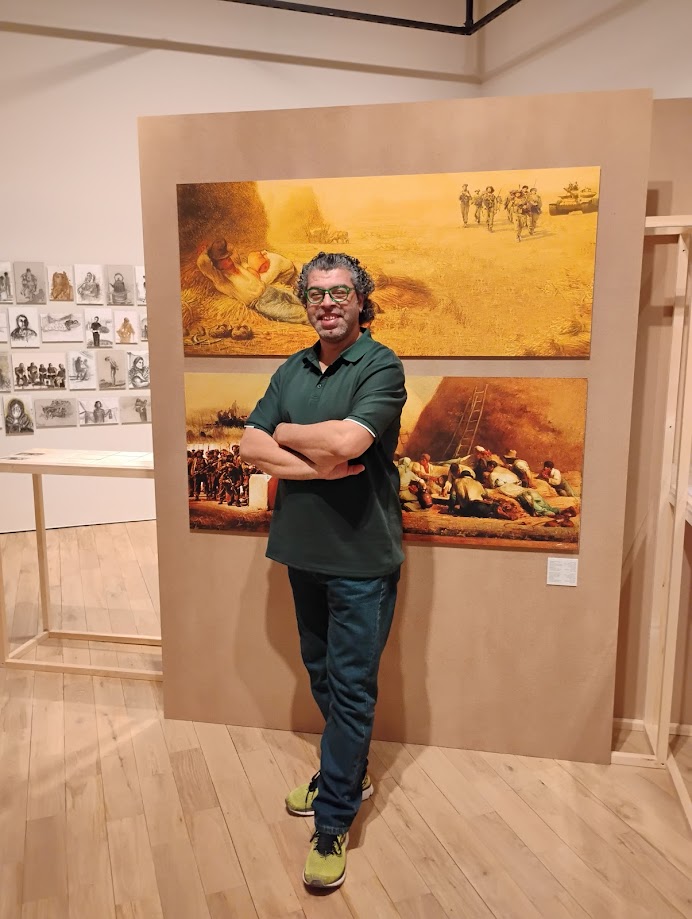
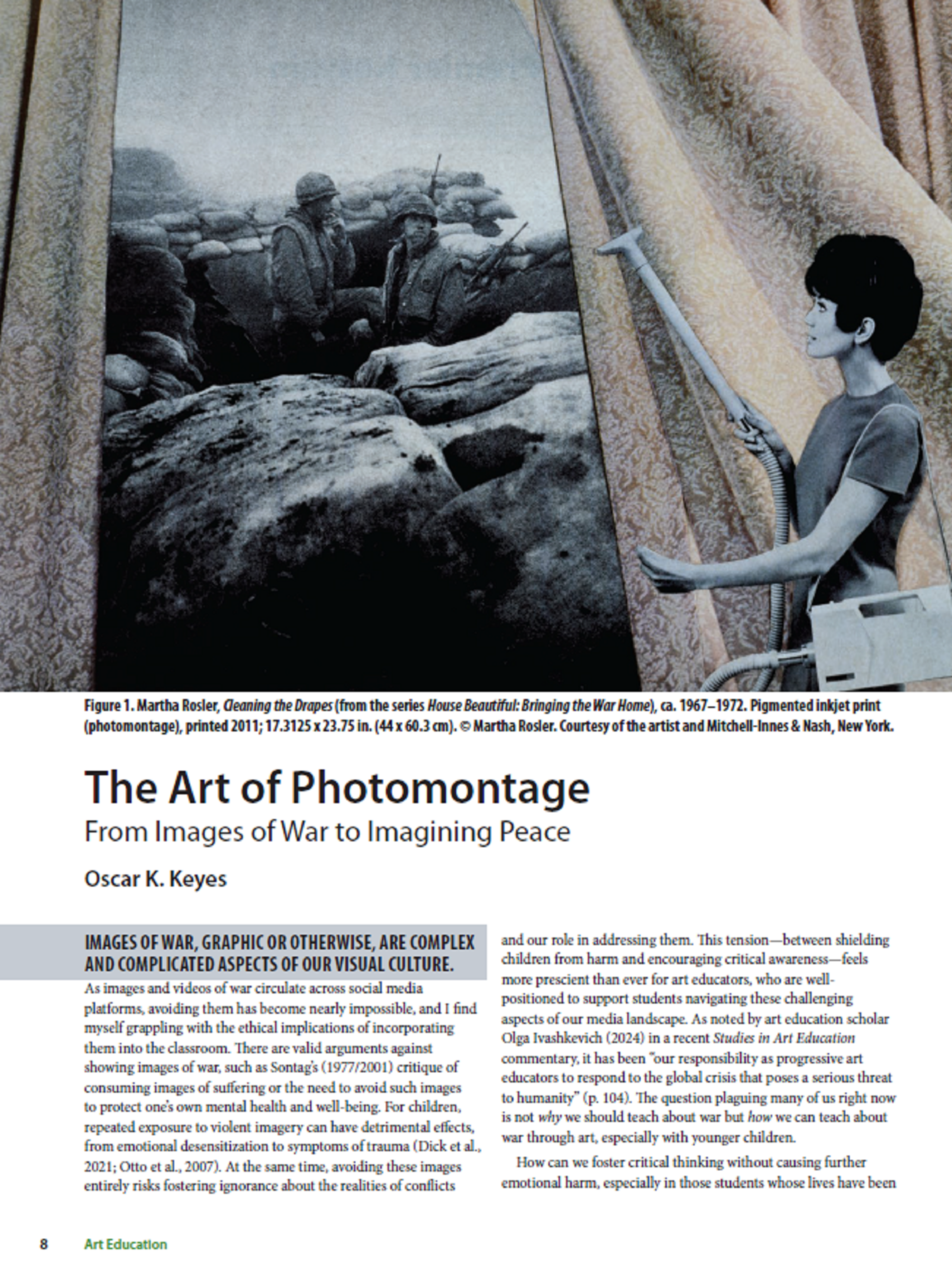
Actually, this is relevant to my fellow panelist Oscar Keyes, who was speaking of photomontage and his article in the second special issue ‘The Art of Photomontage: From Images of War to Imagining Peace’,
And then this is the eldest son, Ahmed, who I just bumped into, which was really nice. I’d seen all the other kids at their home and in the gallery, but then I bumped into Ahmed, and he is interested in art school, and he’s a burgeoning artist himself.
This was a very important moment for me to be able to share the postcard with Dina in front of the original painting. I can’t, you know, that moment when you see a photograph on your social media where you’re just wanting to kind of reach out and pluck the person from the context in which they’re in to the safe context or safer context that you are in. I felt that both with Dina and her family, but also with this artwork too. I wanted this artwork to move through the world. I wanted it not to be lost in the violence that her and her family were suffering.
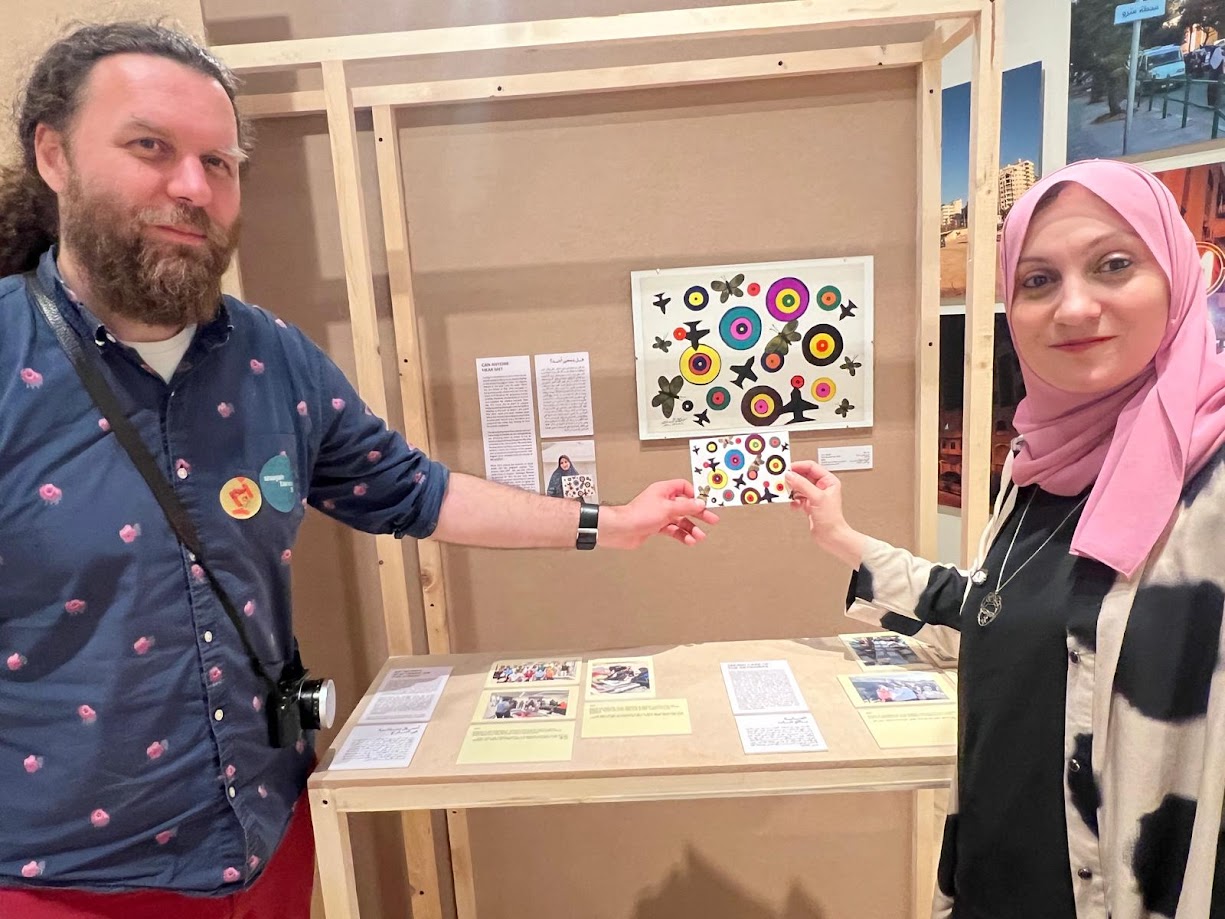
So actually, meeting her and then meeting the painting were very important to me, to be able to stand it before it. And this was part of an exhibition about the Eltiqa Gallery that was destroyed, and so the artworks that were saved by many of the artists. Some of the artists are still in Gaza, but some of them left and they took the paintings, and this exhibition was in Dubai called Eltiqa: How to Work Together? A Collective Artistic Practice from Gaza, and it’s currently, I think, in Ireland right now.
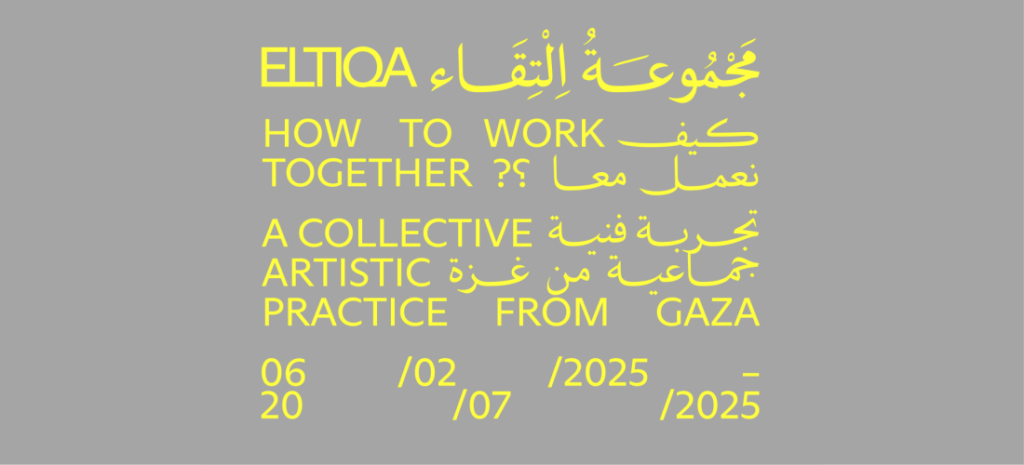
So it’s amazing to see their work move through the world after the genocidal violence that these artists had suffered. Early on in the process, Dina asked me for help with her sister, Saja, who her and her then two children, she’s since had a baby, were staying in Gaza. And I set up a GoFundMe to support Saja and her family.
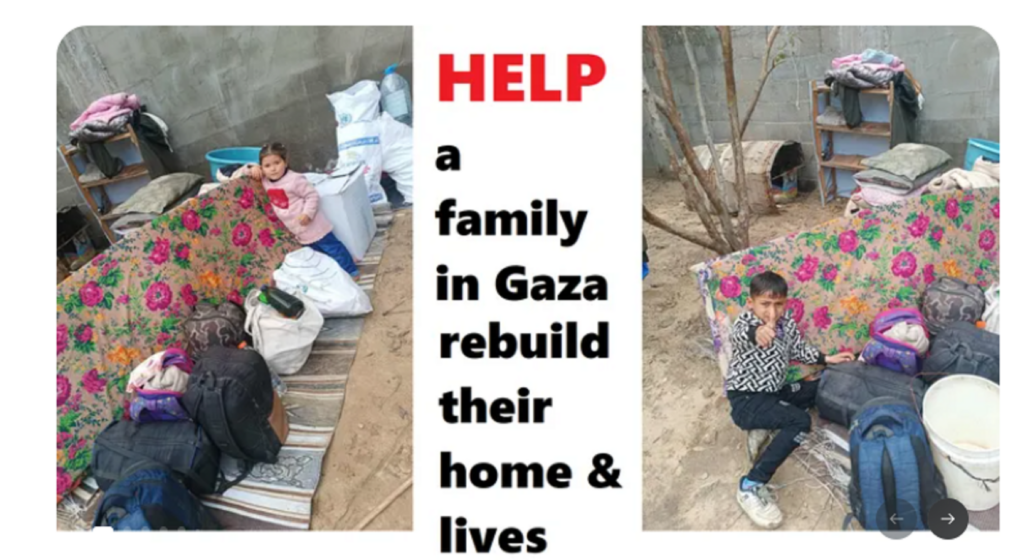
[Please click on the photo to donate!]
And it was just, you know, again, a very kind of concrete way to support them, but also to hear from, given that Dina had left, that, you know, that connection back to her family that were still in Gaza. And just before coming to the conference, I am constantly messaging back and forth with Dina, Mohammed and also with Saja. I asked if Dina had any words to share with you today, and this is what she asked me to share.
Dear Richard,
We are all well and so are Mohamed and the boys. I hope you’re well too. I’ll certainly be delighted and proud of the lecture you’ll be giving.
I will look for pictures of me and Saja. I asked Dina for pictures of her and her sister and send them to you as soon as possible. I wanted to tell everyone that I personally thank you in front of everyone for helping my sister Saja with the GoFundMe.
You were one of the first people to stay in touch with me during the war. You sent me messages and tried to check in on us all the time, even though you didn’t know us personally. When I asked you for help with Saja, you didn’t hesitate at all.
You weren’t afraid and you didn’t overthink it. On the contrary, you responded with love and cooperation. I also preferred that this help be solely for my sister and didn’t think about myself or my reputation because I chose to travel and leave them in Gaza, struggling for life and death.
Thank you again, Richard, and I wish you all the best from the bottom of my heart.
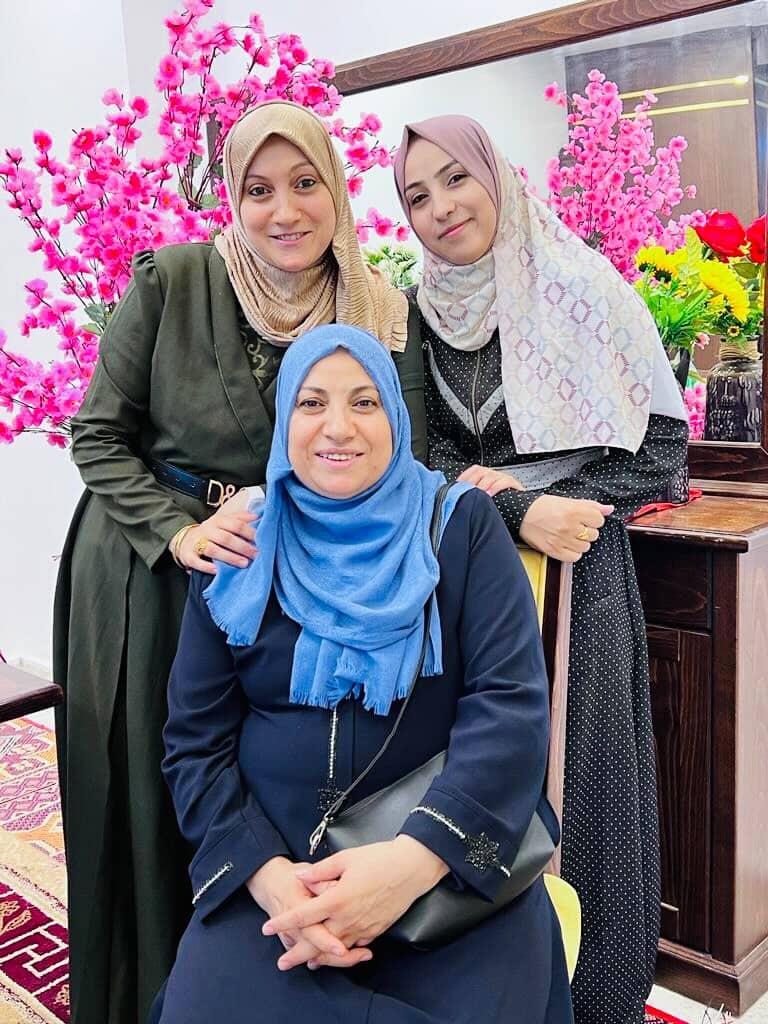
And this was the photo that Dina sent of her and her sister Saja. So that’s Dina on the left and Saja on the right with their mother back in the house, which had been destroyed subsequently in Gaza.
Saja also responded, and this is what she wrote.
Hello, dear Richard.
Thank you always remembering us.
I wish you success in all aspects of your life. I will send you photos with my family. This is my message, my dear, if you can convey it to others.
We used to live normal lives in Gaza. We learned and send our children to school. We visited each other and went to parks.
We shopped and bought our children whatever food and sweets they wanted, and we planned and set goals to improve and progress. Then the war came and killed young and old, and it killed our ambitions and dreams. It left our children hungry, thirsty, exhausted, and homeless.
We are human beings. We see, we hear, and we suffer. Is there anyone in this world who hears our voice and who will give our children back their childhood and joy?
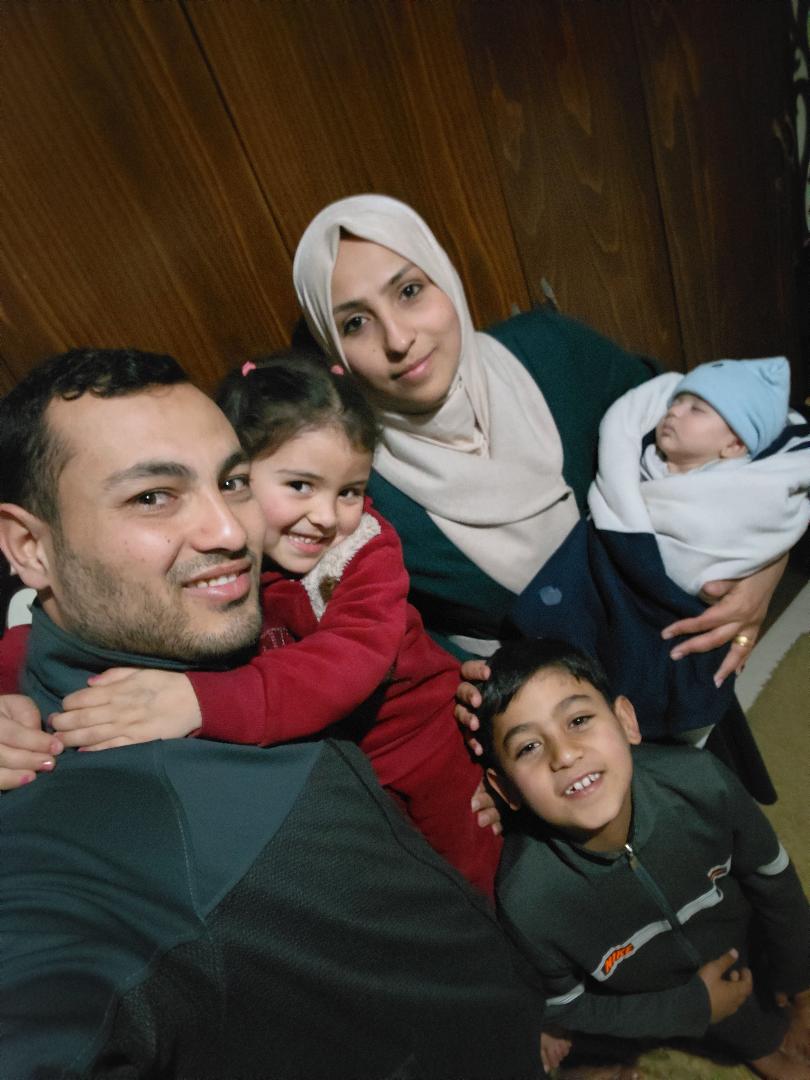
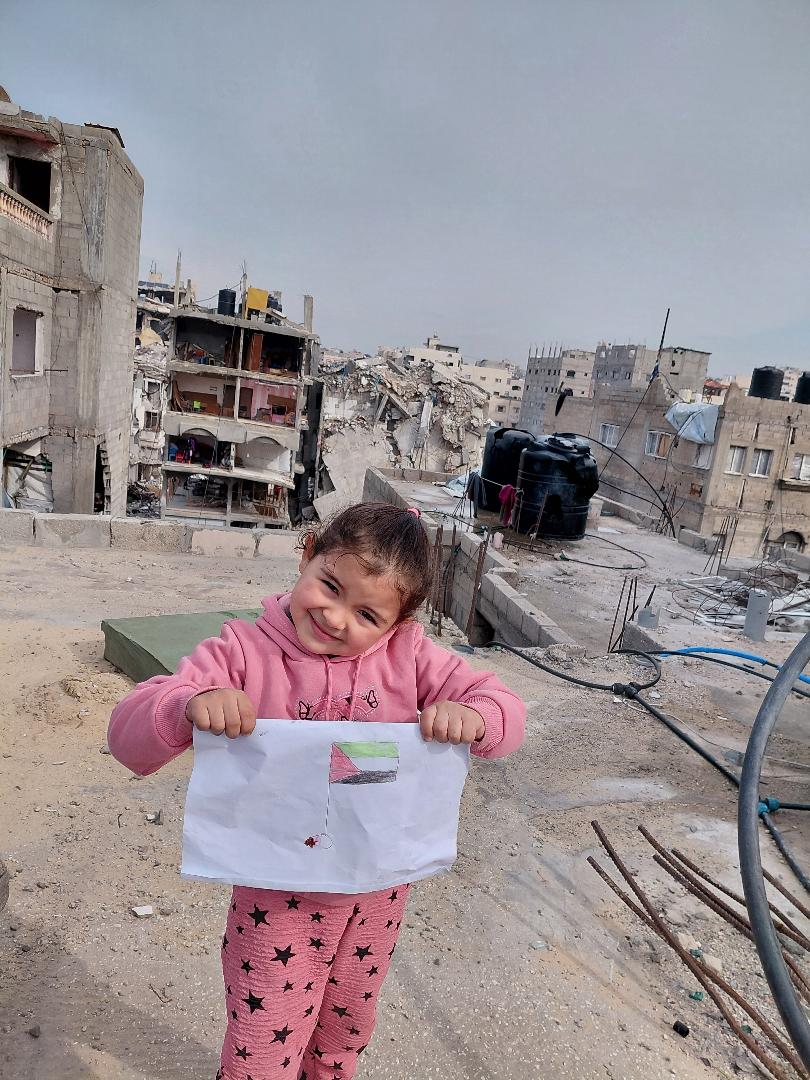
I ended my talk with these photos of Saja and her family and didn’t have time to tell another story of insistence as radical empathy, but I’ll save that for another time! Thank you for listening and/or reading, do add a comment to let me know if you have any reflections on this story, if you were there at the conference or have read the original article. Human connection is the best way to foster peace in our world where the power of dehumanizing violence is engulfing us.
I still need to think about the ways this connects with the ‘Curriculum of Imposters’ project and when it comes to me, I’ll add an addendum!